


As a Bradford lad, it’s hard to see Morrisons where they are.
I grew up with Ken Morrisons polishing the apples at Enterprise 5 (the largest store in the estate) on a Friday night, stores that were unbelievably well run, with product everywhere at great prices and deals aplenty.
Today? Well, to say they are a shadow of their former selves is being extremely polite.
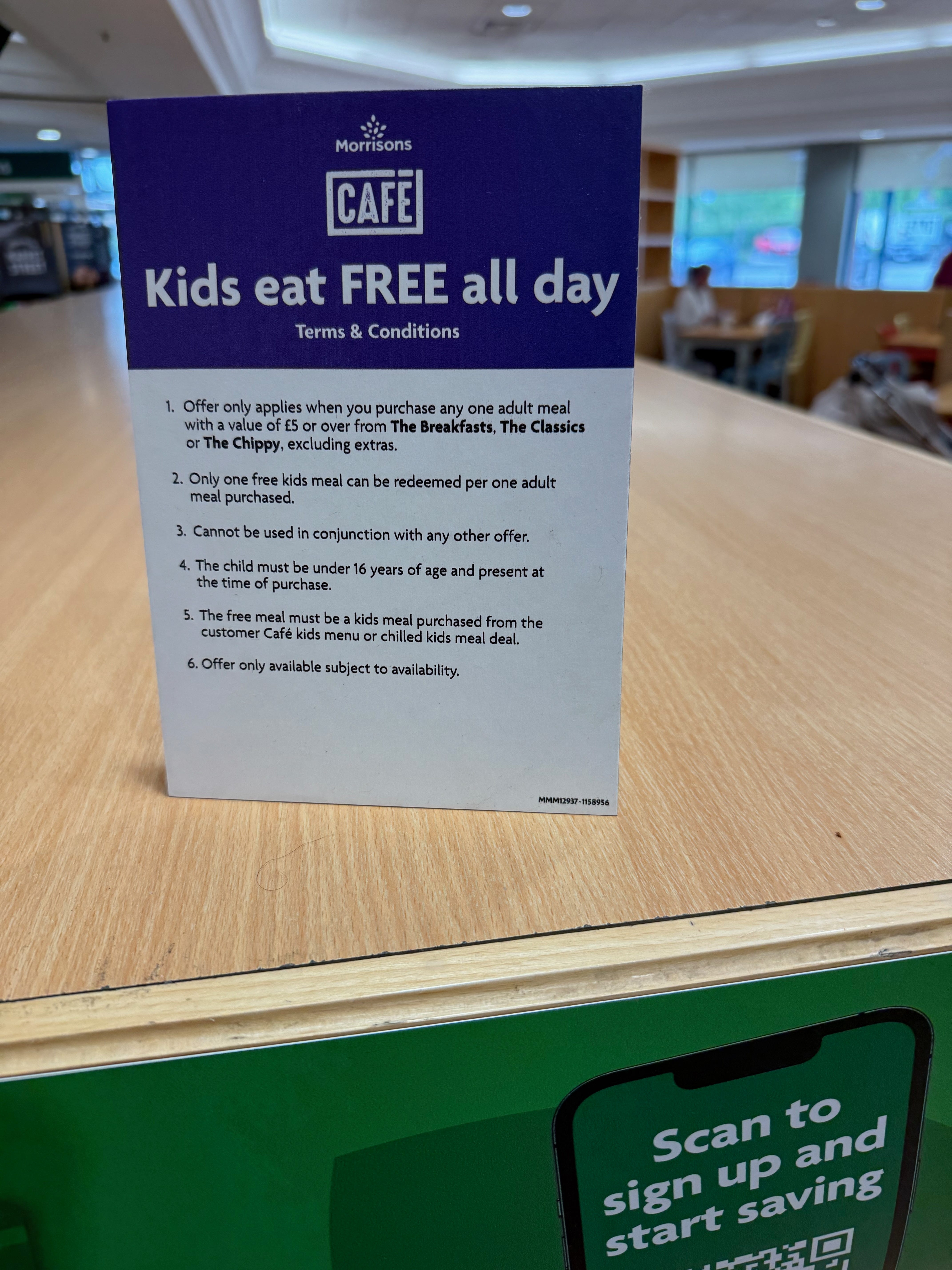
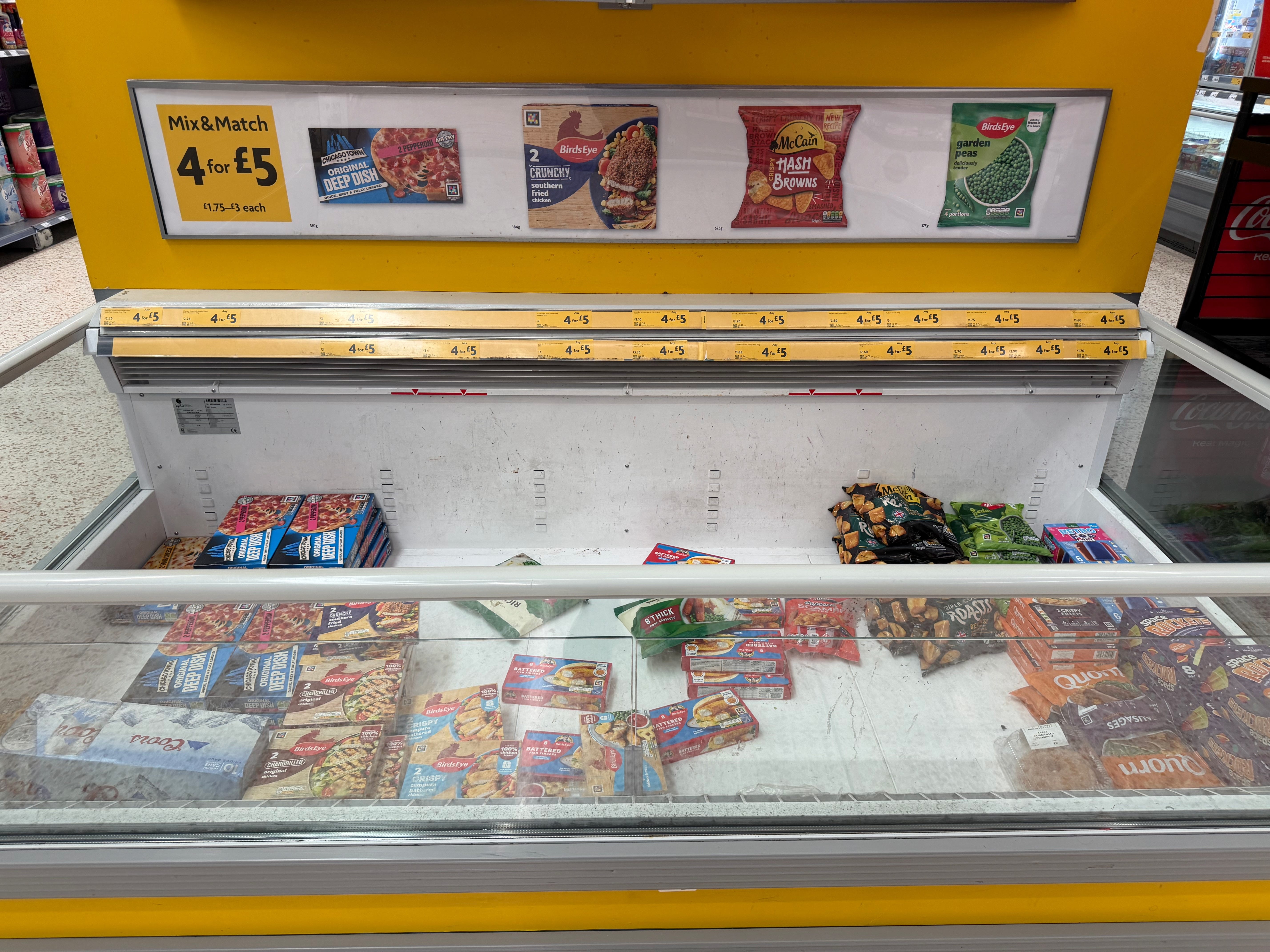
Stores that were once the best maintained in the market are run down, there’s no atmosphere in stores, the colleagues look knackered, counters are abandoned and often there are stores with more colleagues than customers.
Bear in mind that this is a business cutting head count too.
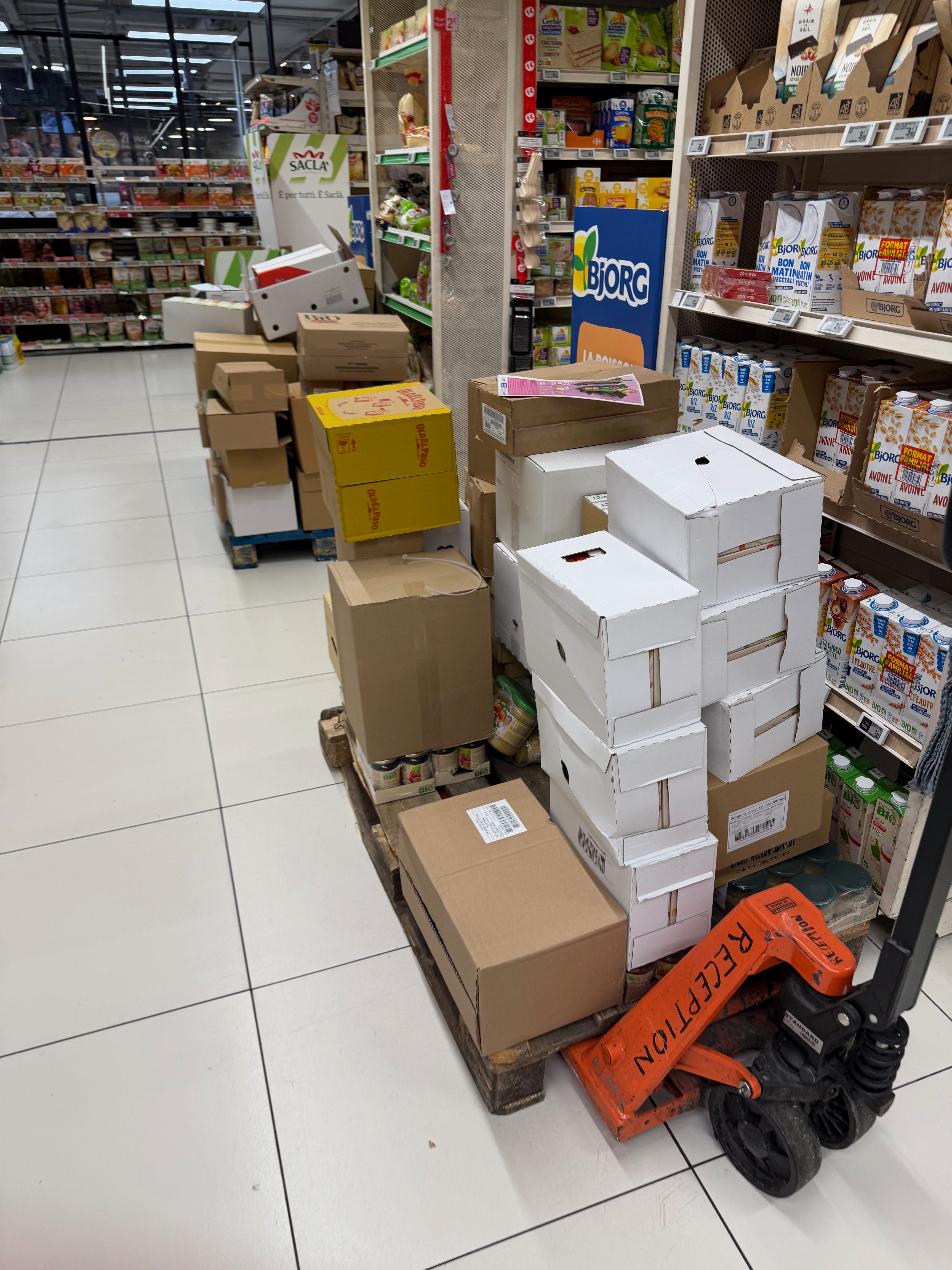
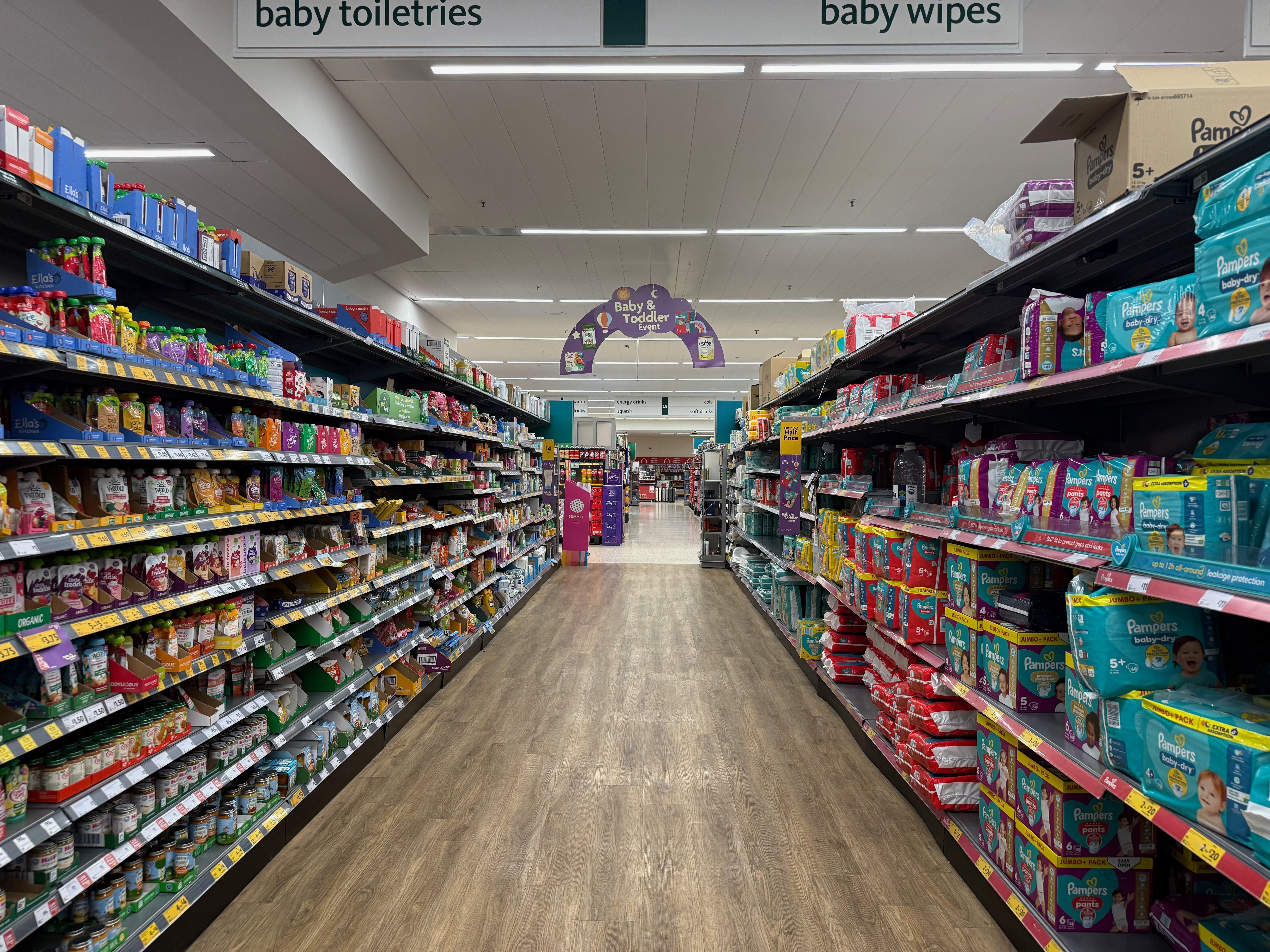
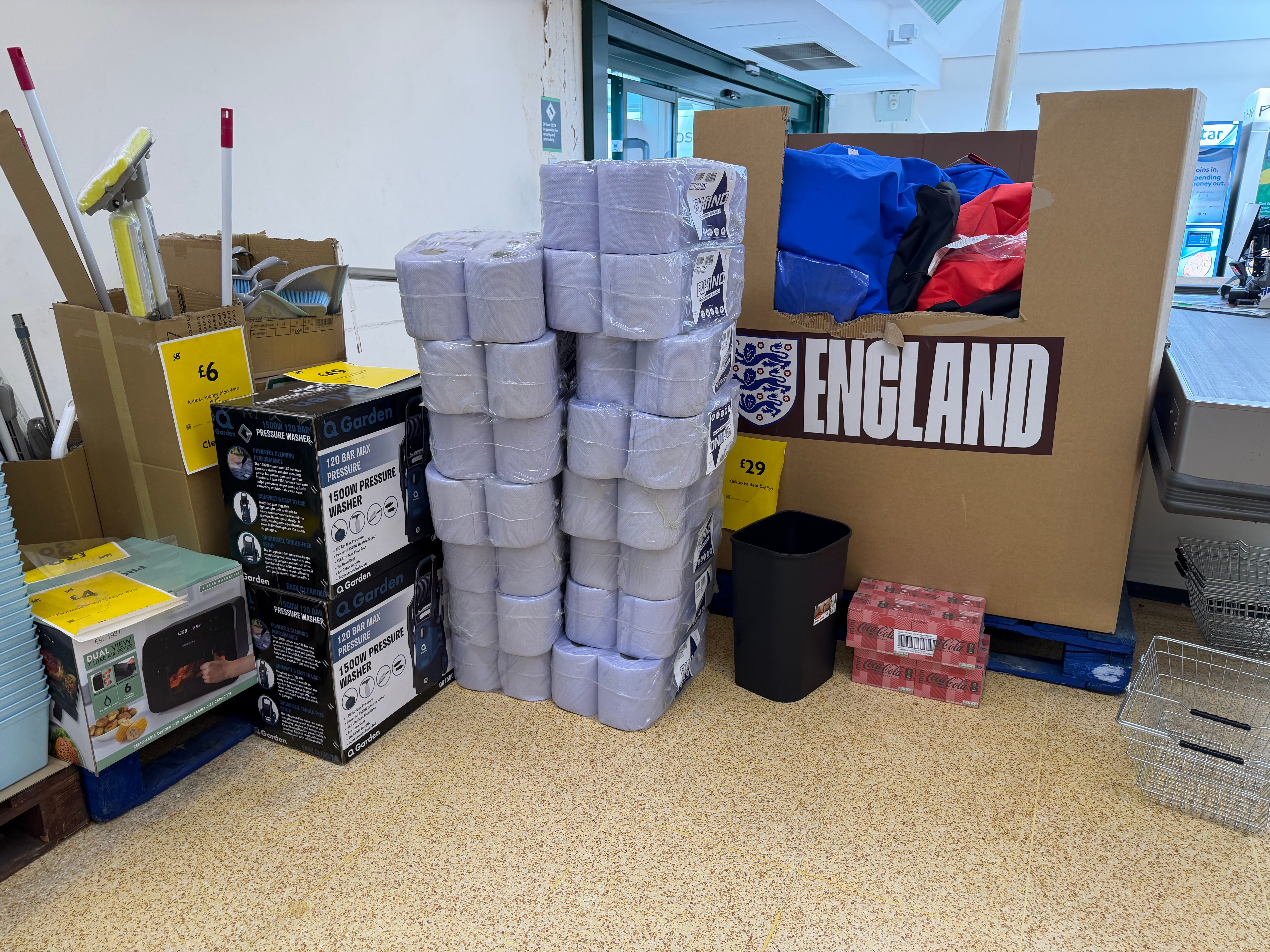
Blue pallets of stock litter the shop floor as Morrisons continue to fill “in day”, these pallets serve only to block the aisles. This means that the store is never “finished” and cleanly presented.
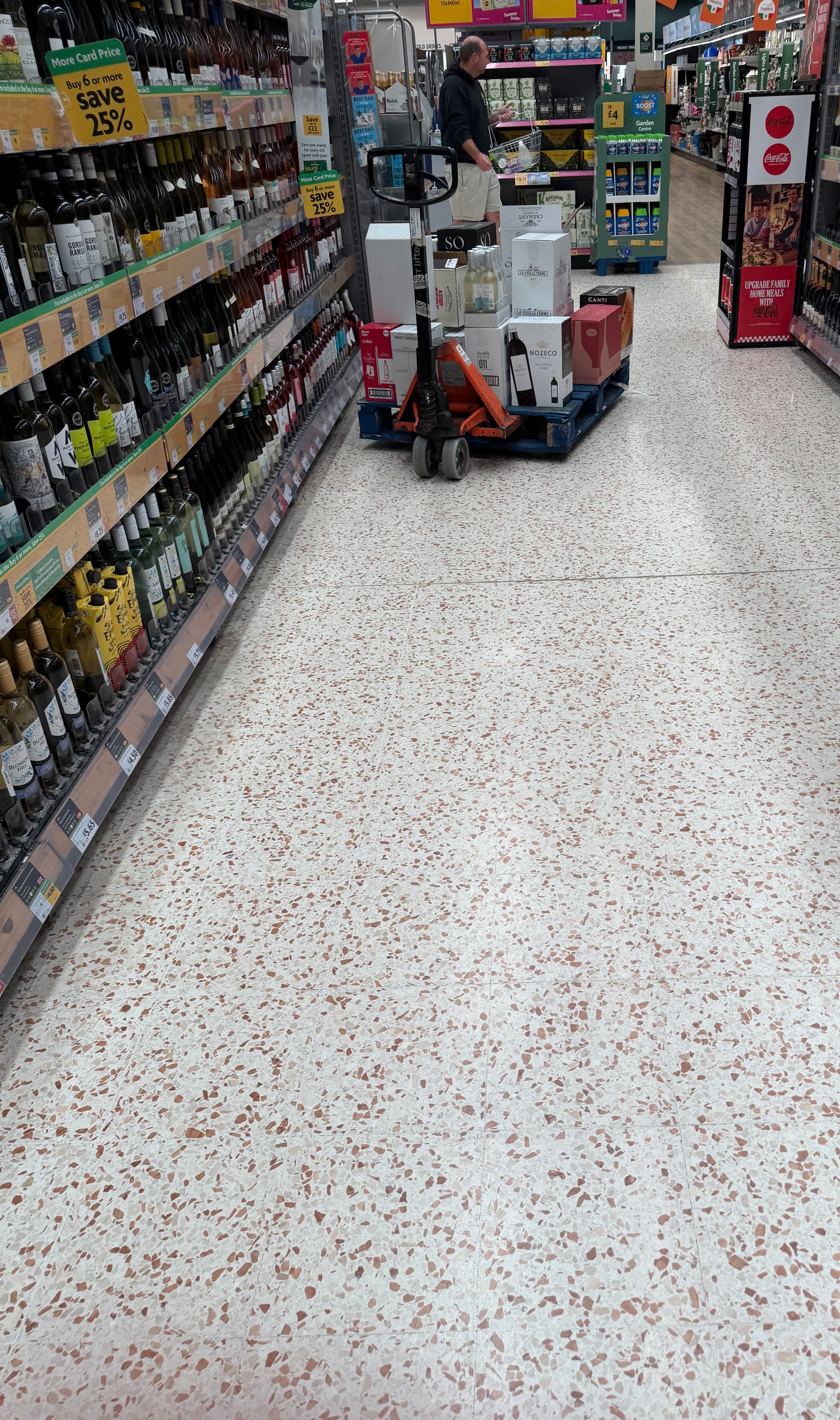
Thus, it all ends up looking like Morrisons is a poorly run supermarket on a Friday evening, but for 7 days a week.
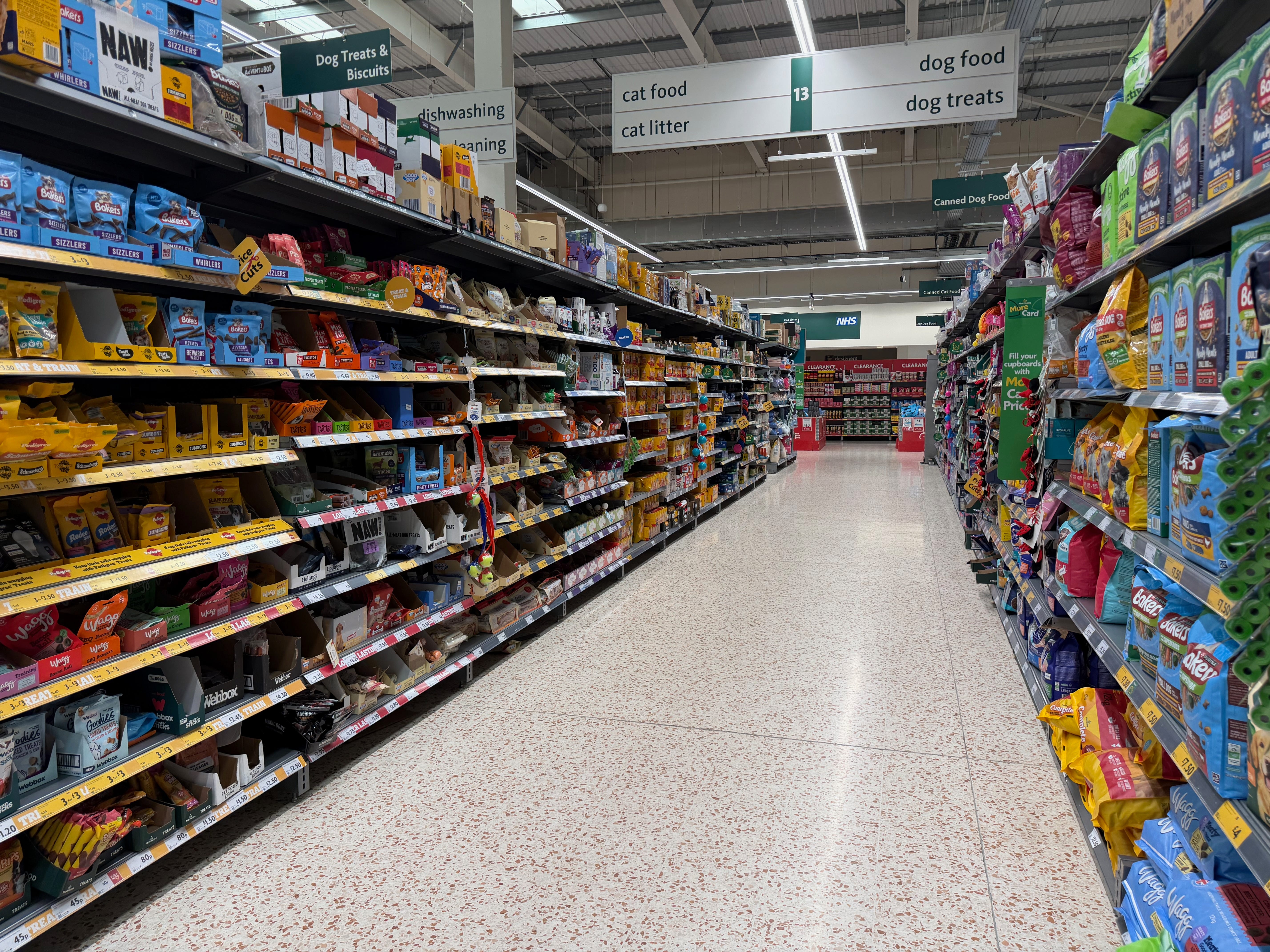
Last year, I walked into a “show store”, this is where retailers “set up” a store to showcase something for others in the business. This time, they had brought all the “poor stores” over to make them see where they were going wrong on aisle congestion and the like.
One could tell it was a “show store” as the shelves were tidy and well presented. So immediately, this set up wasn’t reality.
The stores invited scored poorly for “ease of shop” or similar for their own customers.
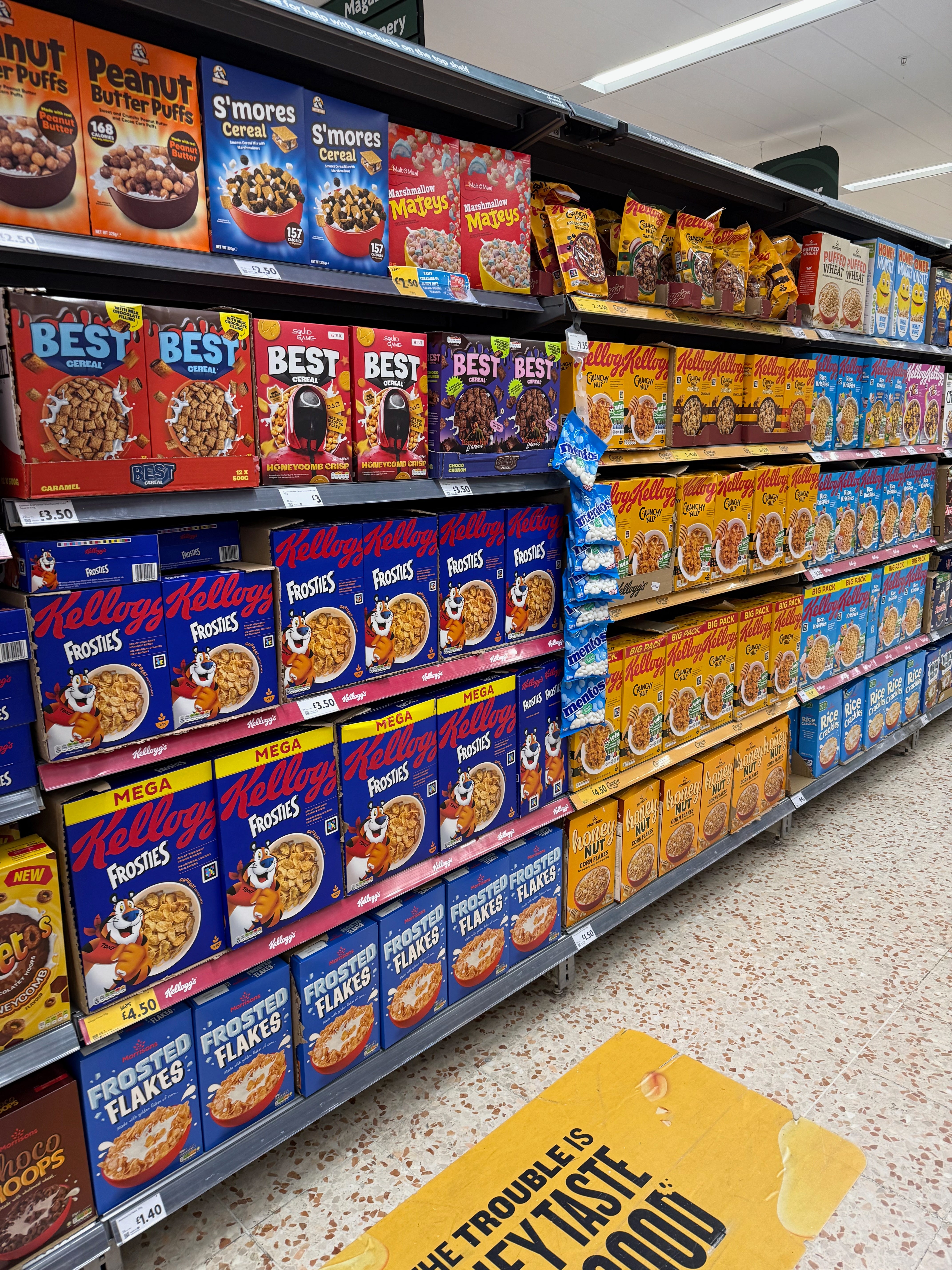
So, the show store had parked the pallets neatly in aisle, and the shop was perfect in any case, so there was less pressure and the whole day was designed to show the “bad” stores how it should be done.
Such set up days prove nothing.
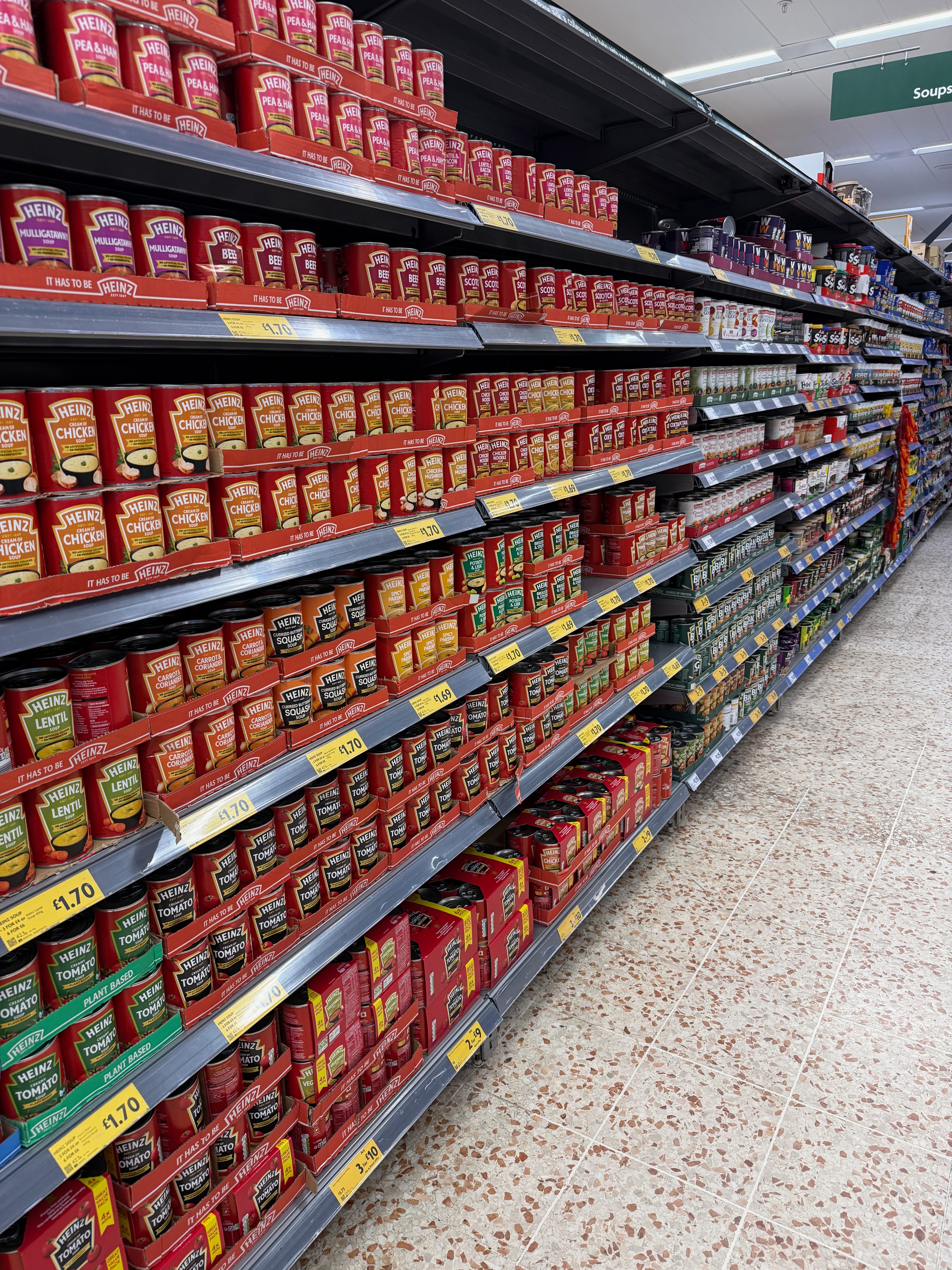
It isn’t how that store operates day to day, so fundamentally it was a waste of everyone’s time.
The question I asked myself (which incidentally, no one at Morrisons had done) was: surely the answer is to not have the pallets on the shop floor in the first place?
It can’t work, there’s not enough space for them and why would anyone voluntarily choose to replenish in the trading day anyway?
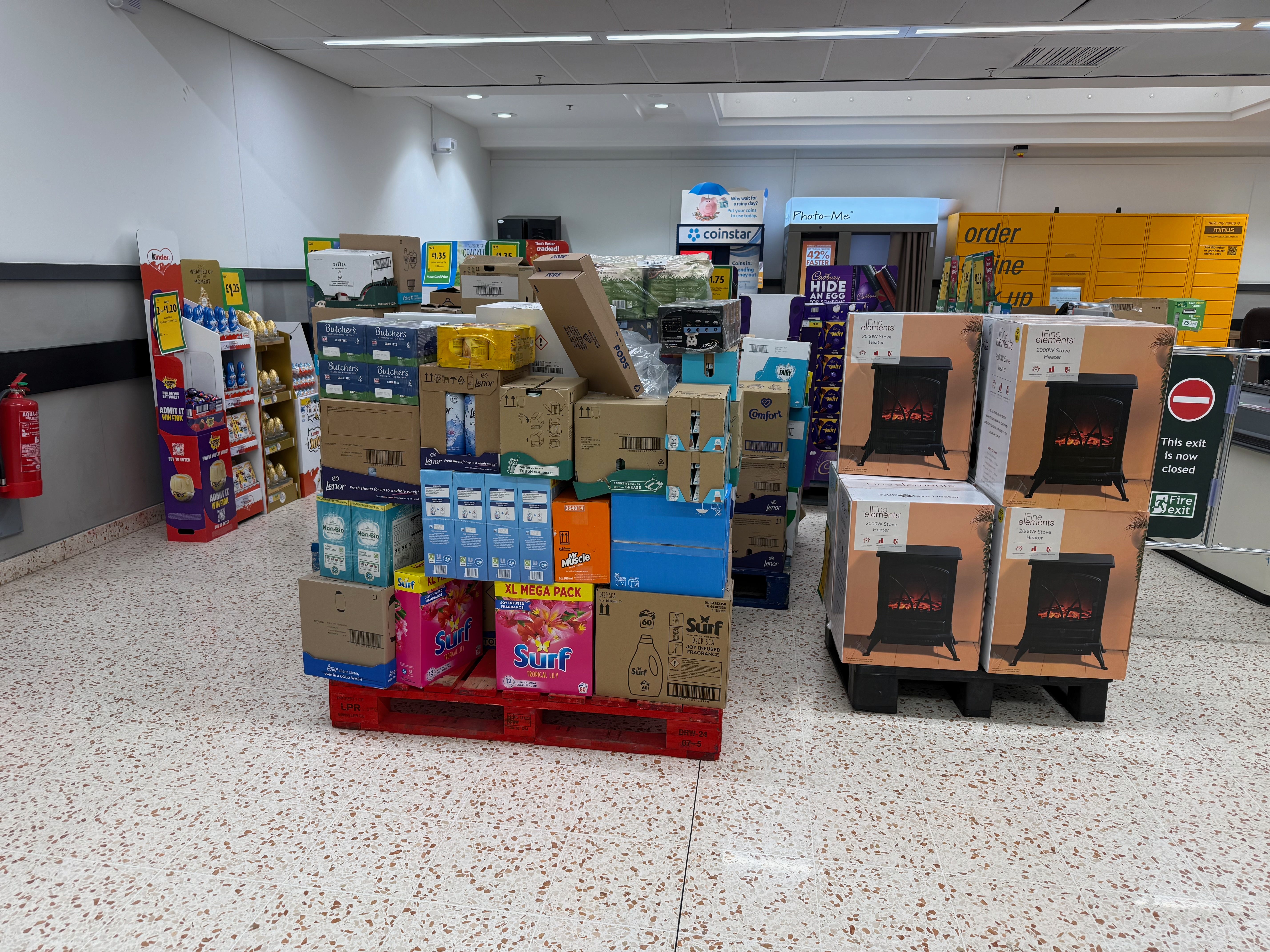
Well, it’s one of Rami’s decisions. The CEO has implemented this alternative replenishment plan (SRP) to fill more in day and seemingly ban most of the colleagues from going in the warehouse too.
Yes, really.
The general barometer for retailer performance like-for-likes. i.e. quarter to quarter and year on year, how are you performing? Are you like for likes (or comps) up?
Yes, it can be affected by the weather, new space, VAT and events like Easter taking place at different times of the year.
But in a short-term industry like retail, they are useful.
No measure is perfect, after all.
However, it can be pretty easy to improve your like-for-likes by adopting short-term tactics, like fuel vouchers, or £10 off £40.
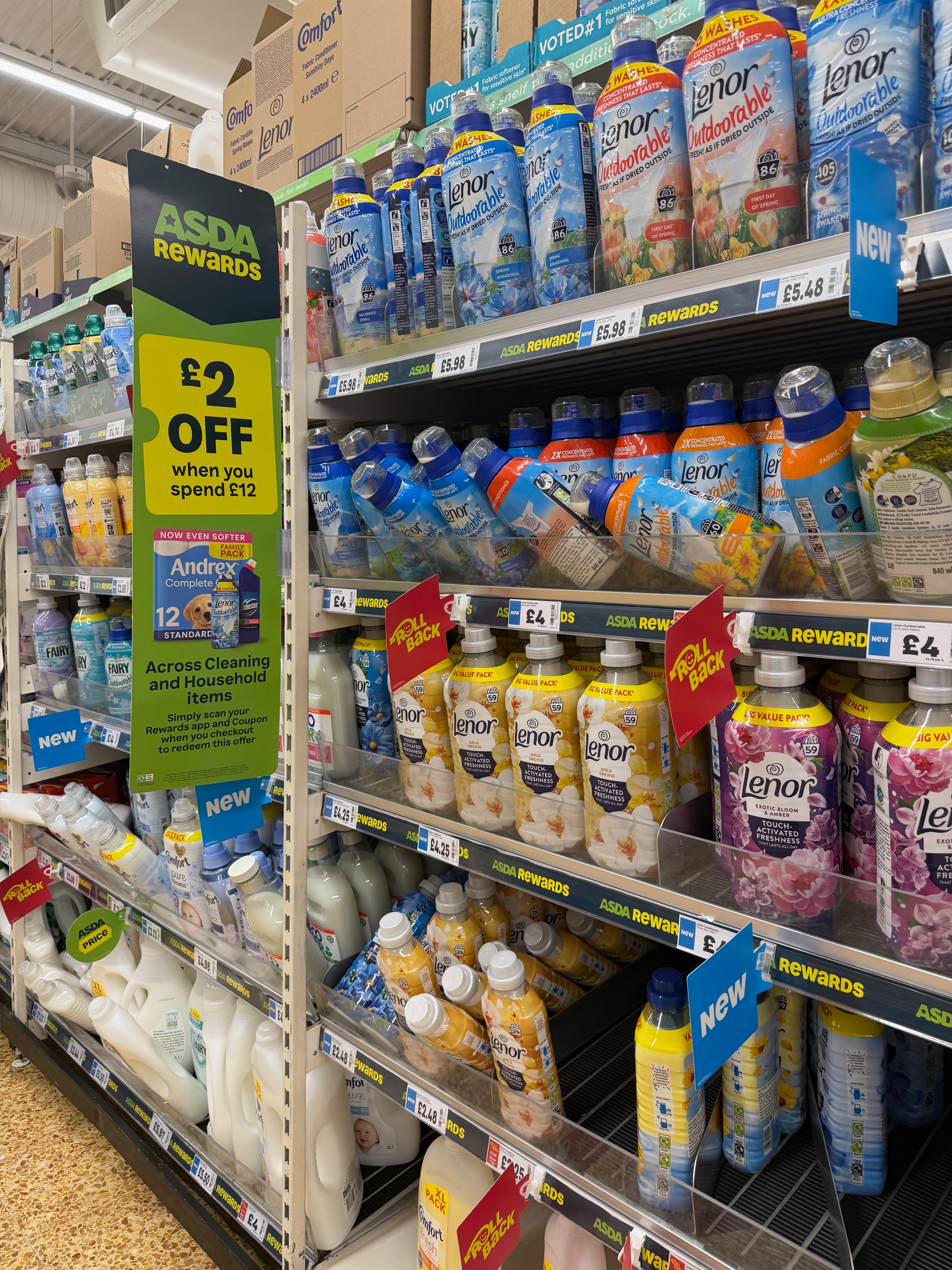
Whilst everyone would be aware of these “pump and dump” tactics, the like-for-likes would be improved over that quarter. The challenge is then annualizing these figures but let’s worry about that in time……
Where Asda have been negative on both Kantar data and their own like-for-likes for such a long time now; it can be almost hard to work out if a low negative score is good enough anymore.
But they are starting to turn things around, at the shelf edge at least.
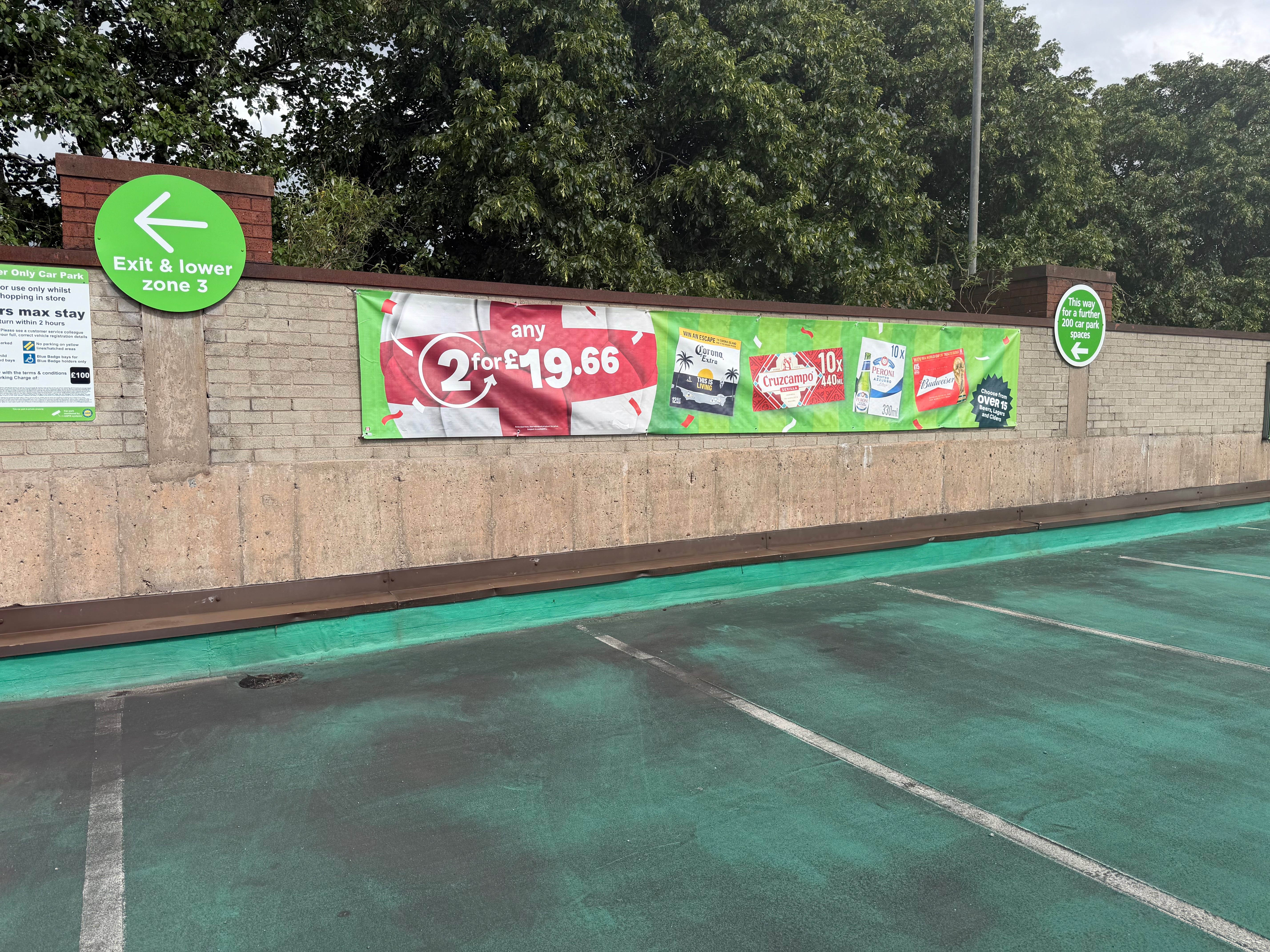
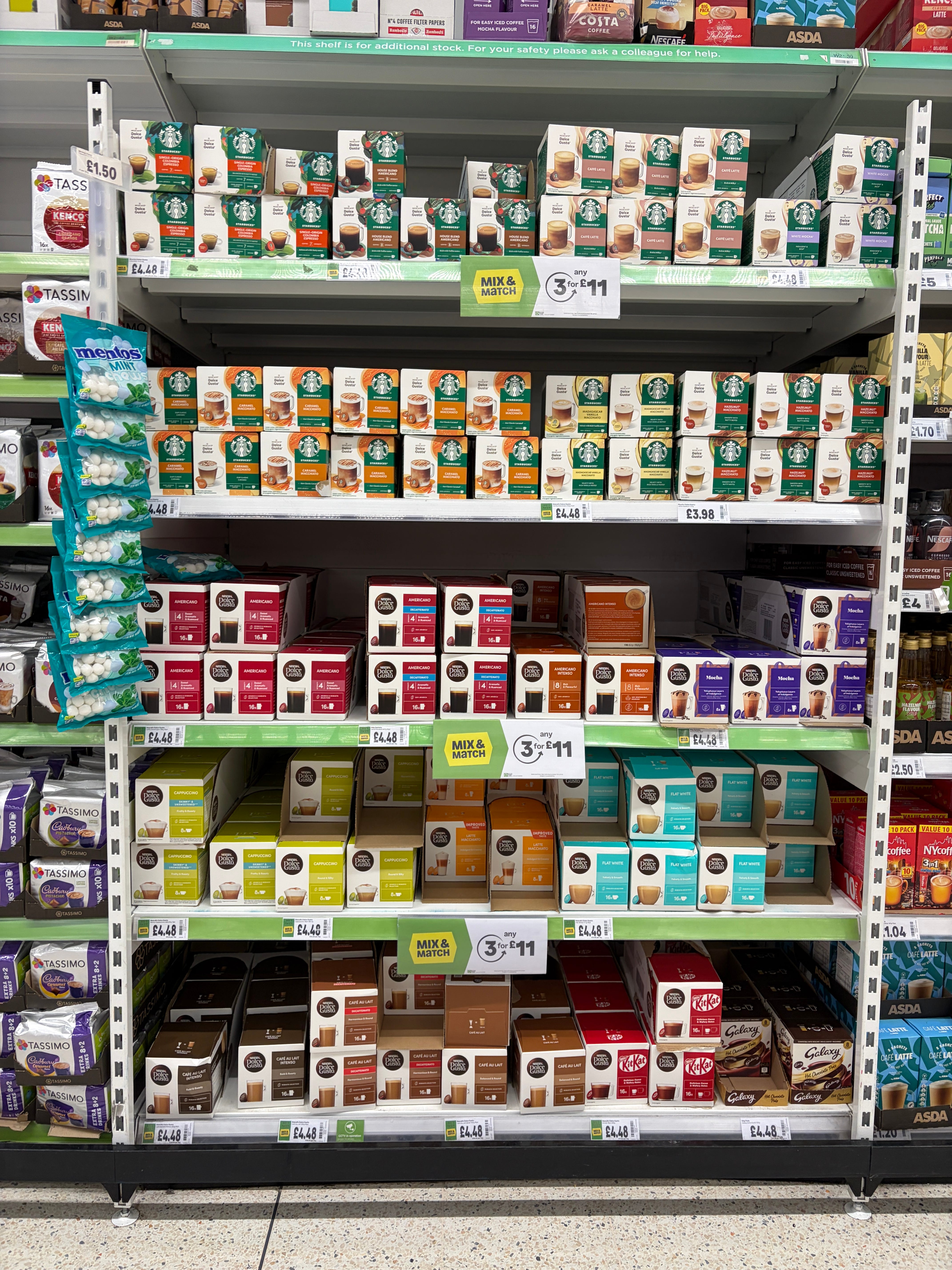
Yet Morrisons continue to turn out positive like-for-likes each quarter, despite the shopping experience worsening on every trip.
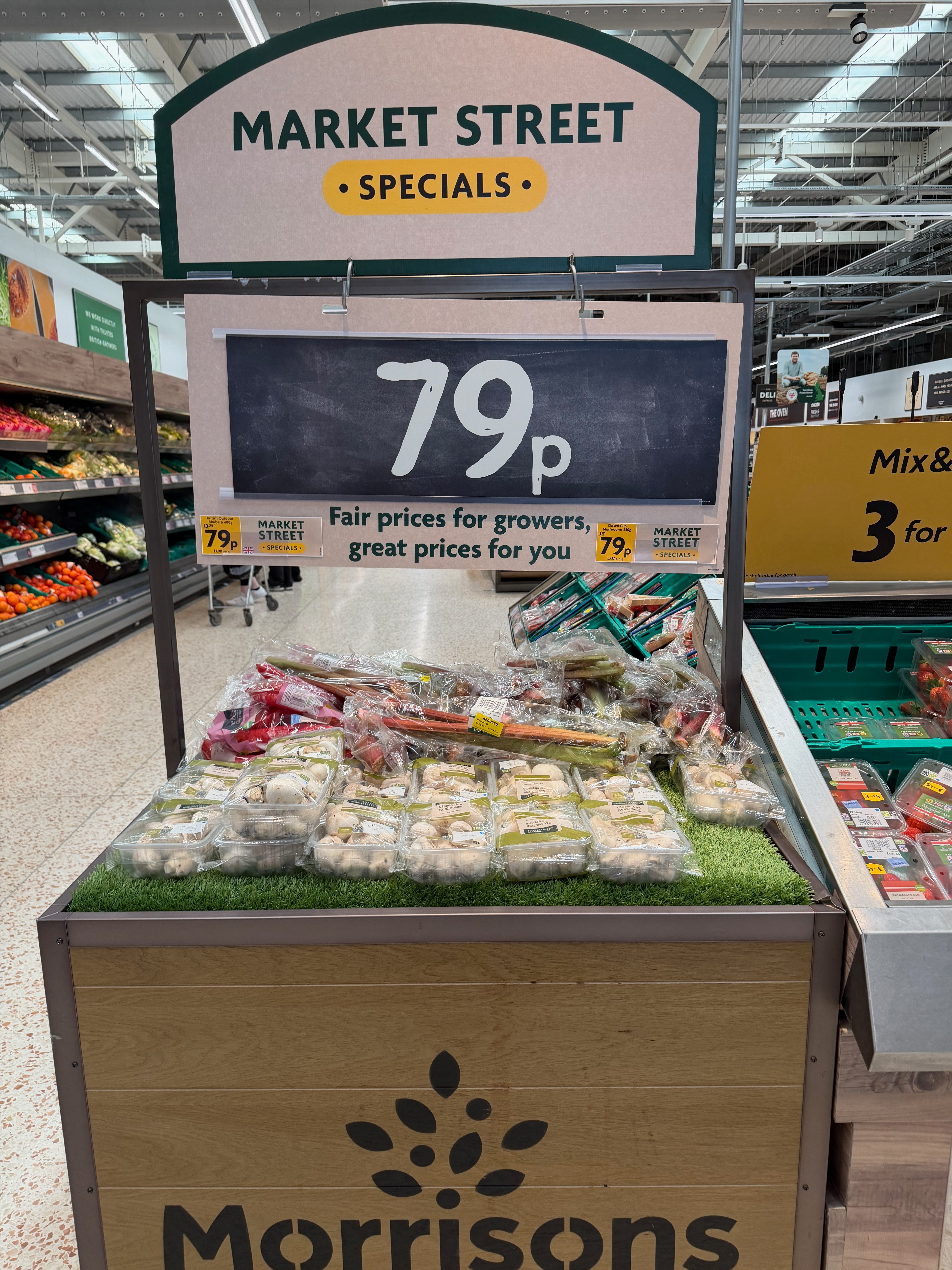
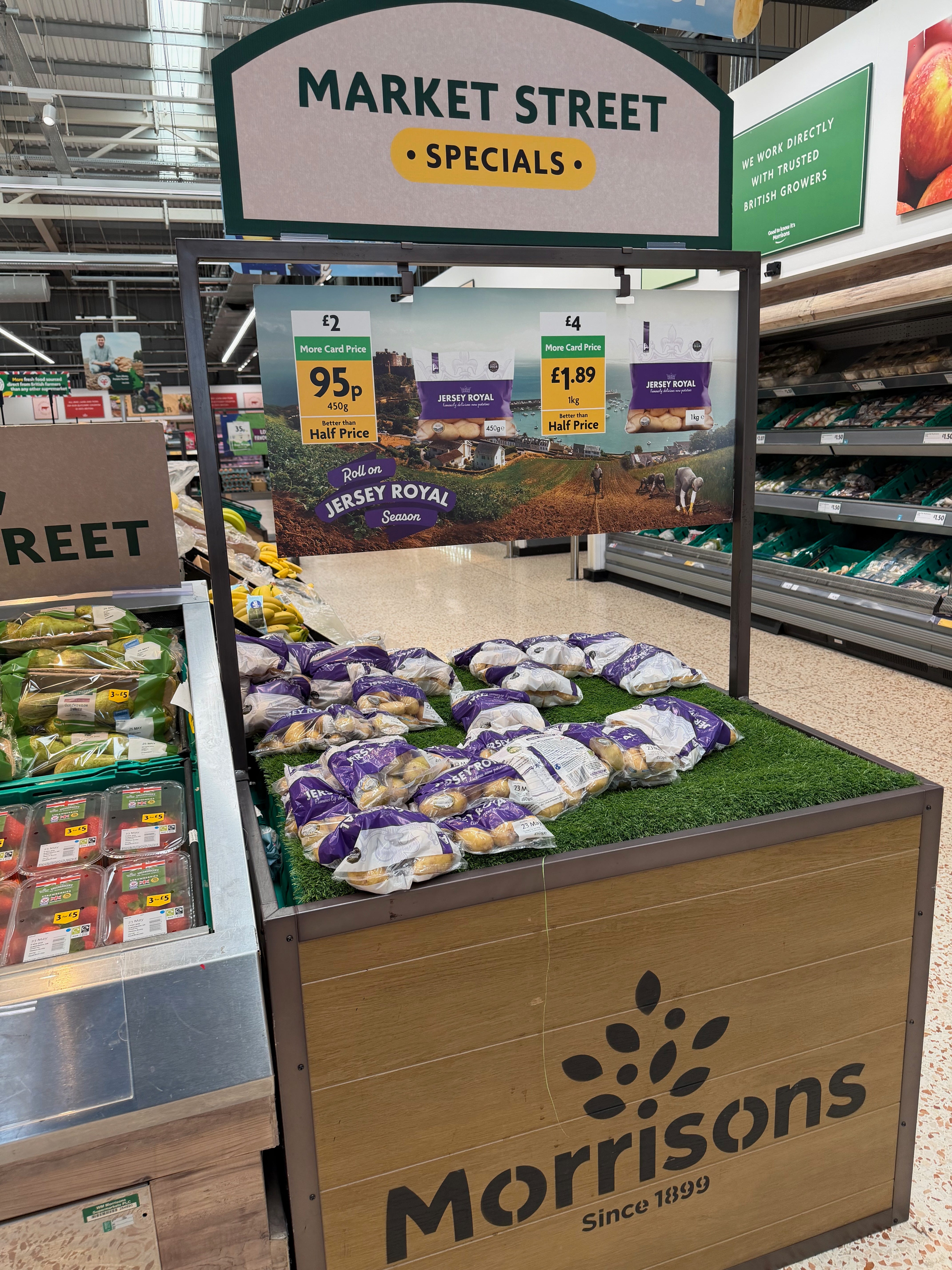
Market St is being slowly wound down and 50% of the store lighting turned off in stores I visited recently. Saving about eleven pence but doing untold harm to the shopping trip.
Is a meagre rise in the quarterly number good enough?
No.
Not when you consider that their main rival, 9 miles away in Leeds (Asda!) have been negative 6 (and more) for two years plus. Slumping to a near billion-pound loss and recruiting all manner of former Asda executives to kick start the recovery.
They remain negative (although, one would hope the volumes are recovering given the significant investment in the shelf-edge pricing and set up).
Yet Morrisons, just a few miles away, have barely made any inroad in that time. All this despite the business being in “turnaround.”
That is a bigger worry.
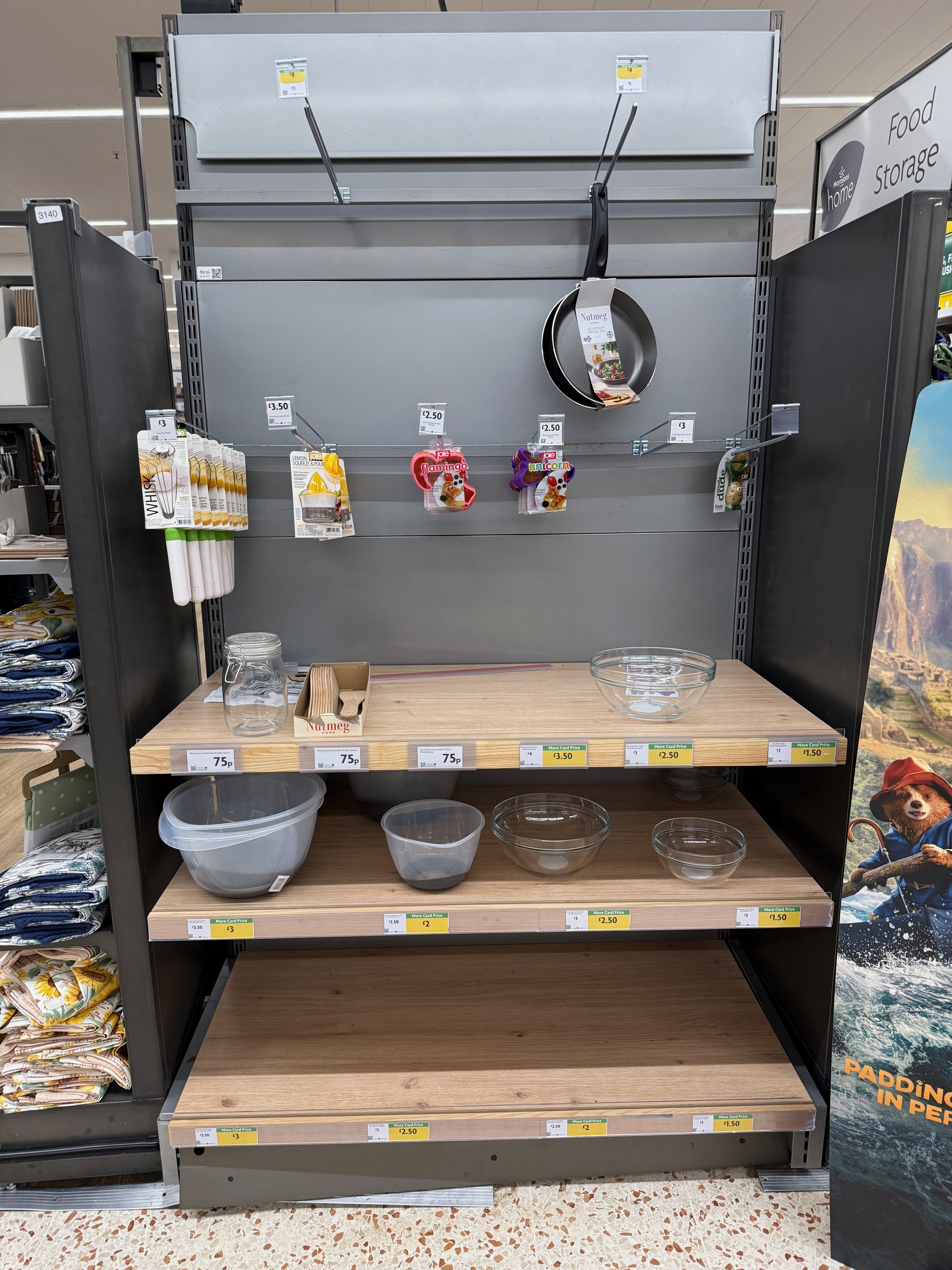
Morrisons talk about two things EBITDA and NPS.
The first – EBITDA is fine for a business that is laden with debt and focused on deleveraging. It is beloved by the CEO and the company for its ability to make interest payments disappear.
Given the propensity of the business to talk about EBITDA over volume growth, or other more familiar metrics, tells you all you need to know about the business and the strategy.
The debt situation is well documented - MFG (Motor Fuel Group), an entity owned by Morrisons owner CD&R (Clayton, Dubilier & Rice), acquired Morrisons’ petrol stations and attached forecourt shops in 2024.
This enabled Morrisons to pay down debt but also meant that MFG benefitted from a retail estate with lucrative locations in supermarket car parks.
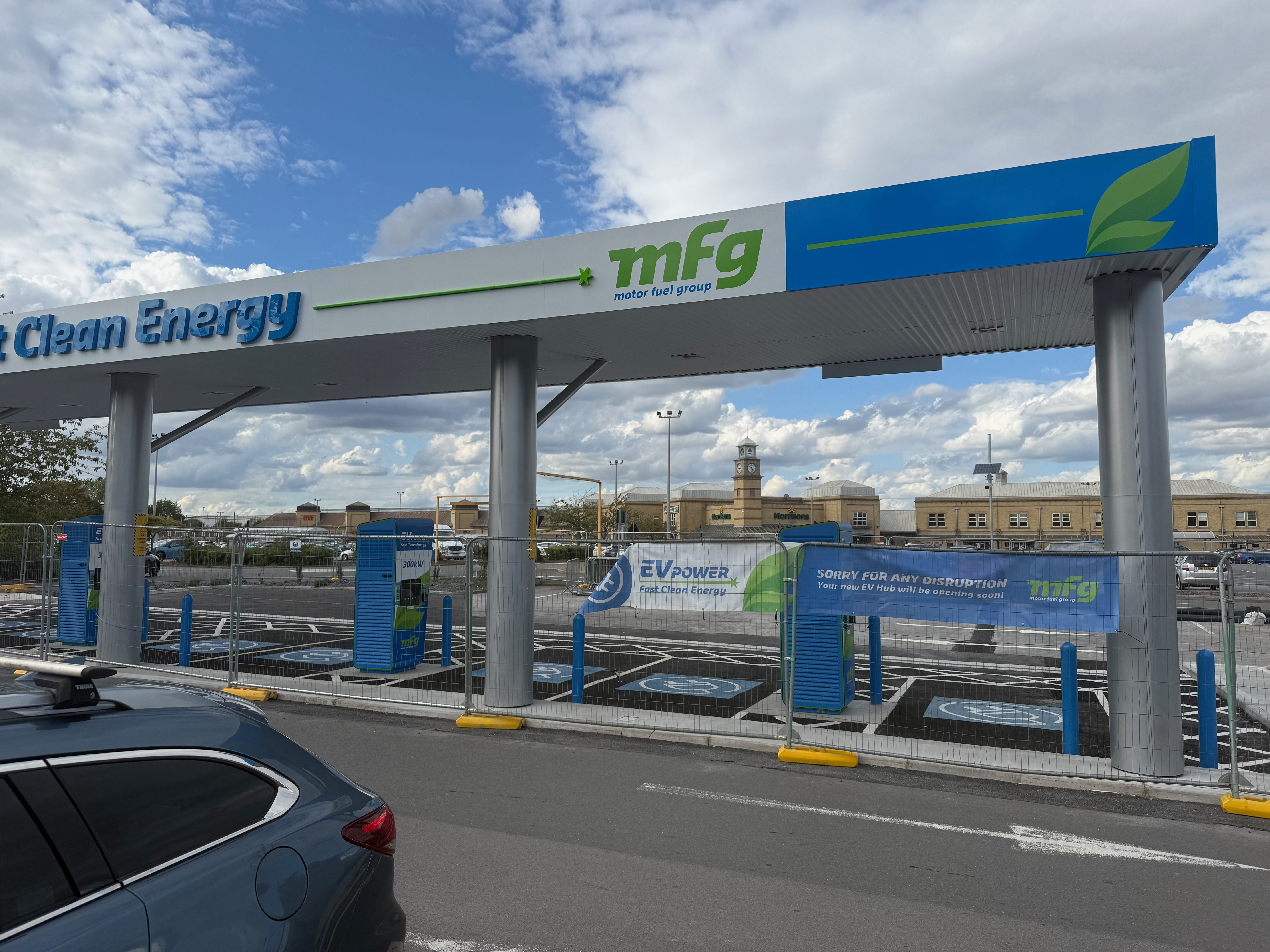
MFG are investing heavily in new technology for EV charging and concessions too.
This was a very good deal for MFG, a chance they would never have otherwise.
MFG have wasted no time in investing heavily in electric charging points and adding Greggs (amongst others) to the petrol station offer.
This weakens Morrisons in two ways:
The fact that third-party competitors (like Greggs) are now in the petrol offering means that foot traffic could be reduced, or at least, Morrisons products are not purchased but a third-party concessions product are.
Morrisons are unable to (or at least will find it very hard to) run fuel incentives (i.e. save 5p a litre) if the market was to go in that direction.
Asda still have ownership of their petrol stations (almost the reverse of the Morrisons deal, where Asda ended up with a significant number of additional petrol stations via the EG and then the Co-Op petrol station acquisition) and Allan Leighton himself has said this is important, being competitive on fuel is a footfall driver in itself.
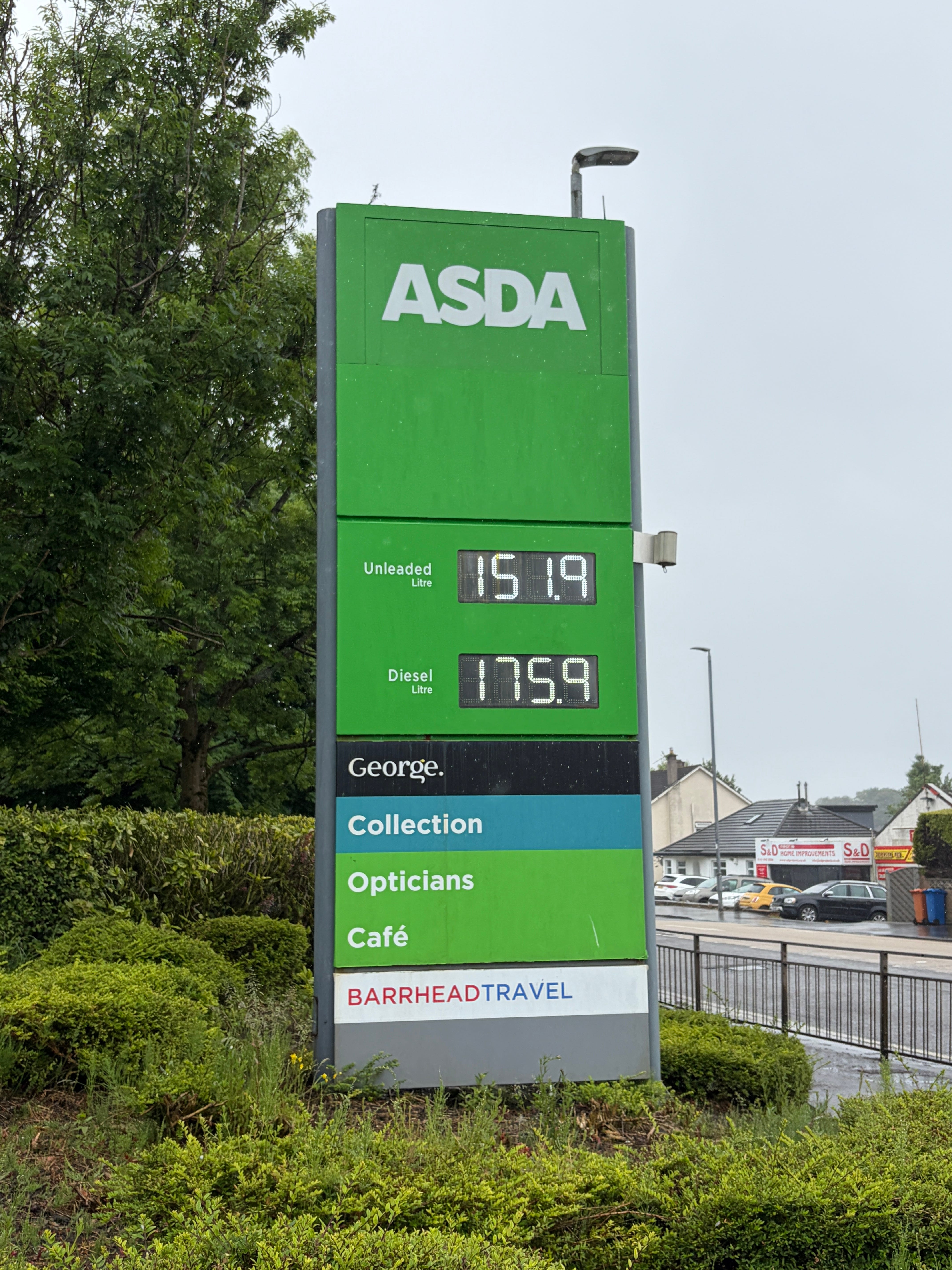
Amidst underwhelming sales performance, a key challenge for Morrisons is that they have confused themselves, and by definition, their customers.
The 2nd metric that’s beloved by Morrisons is NPS (net promoter score) where essentially, everyone responds to surveys and the business gets a great pulse of what is happening.
The challenges with NPS are numerous; a key one is that responses are not exhaustive; you will get polar opposites of the landscape which can be good, or bad. You tend to get more people complaining than complimenting as we know.
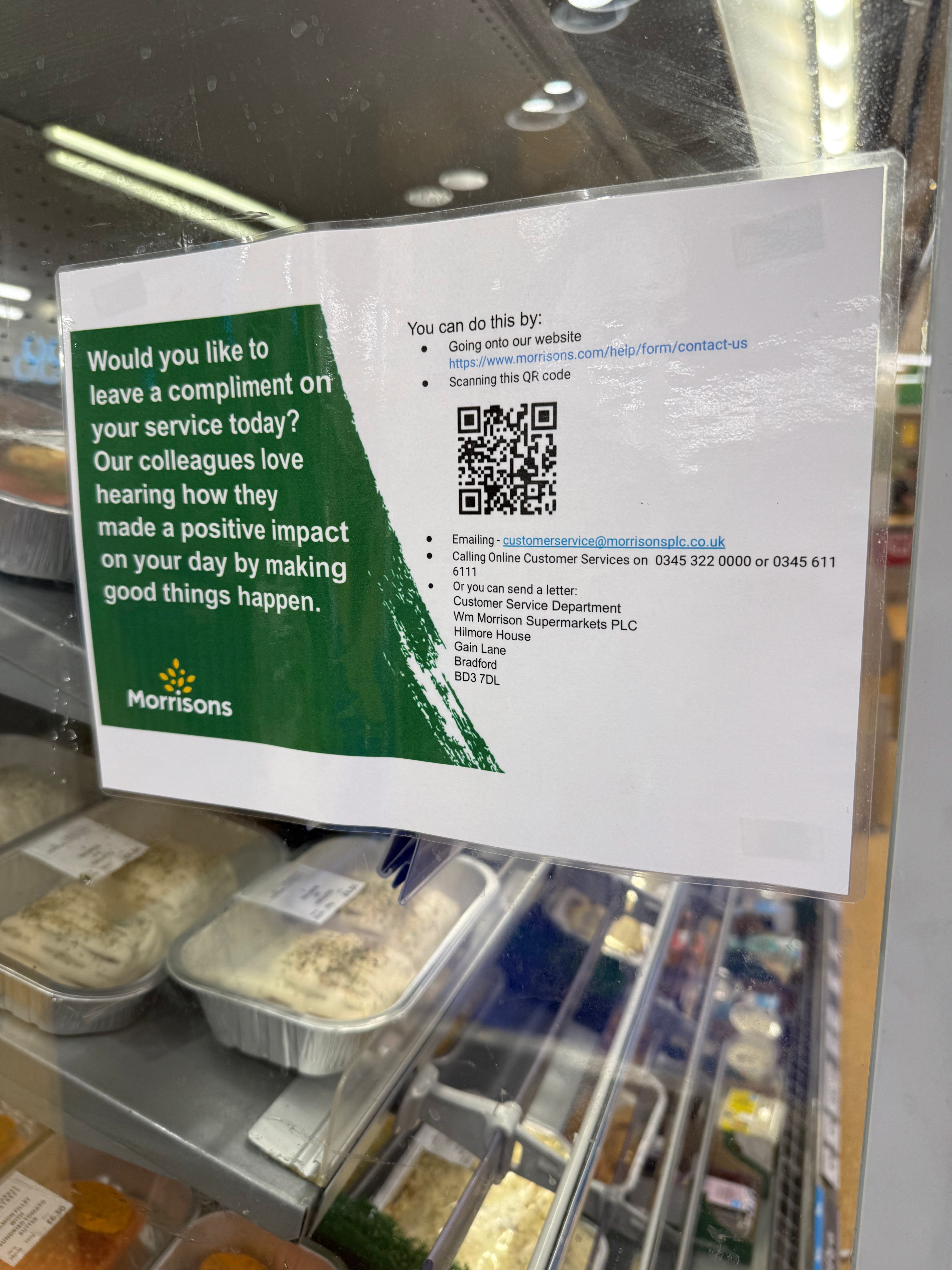
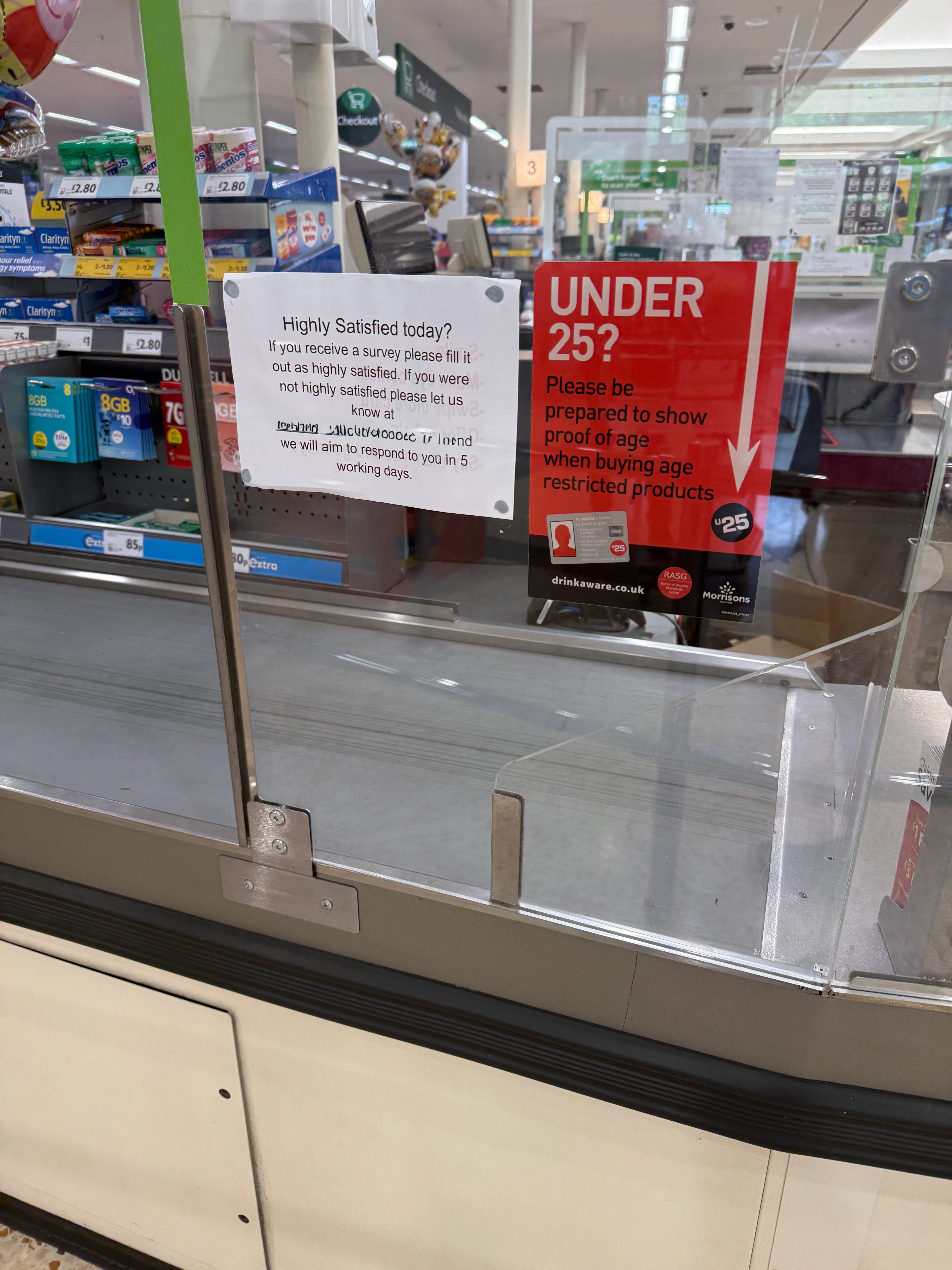
Plus, the system always ends up being gamified in some form or another. Stores start to ask for feedback, offering incentives of a chance to win vouchers if you put highly satisfied. Whether the customer is highly satisfied or not.
Obsessively focusing on just a few metrics means that the business autonomously moves in the direction, all businesses are guilty of this, but Morrisons with its roots in close, autocratic control for so many years are one of the most guilty.
Morrisons has many strengths and points of difference. Market Street and the vertical integration – factories, bakeries and abattoirs - for so many years the envy of retail with Morrisons unique ability to switch on production and drive sales at the drop of a hat.
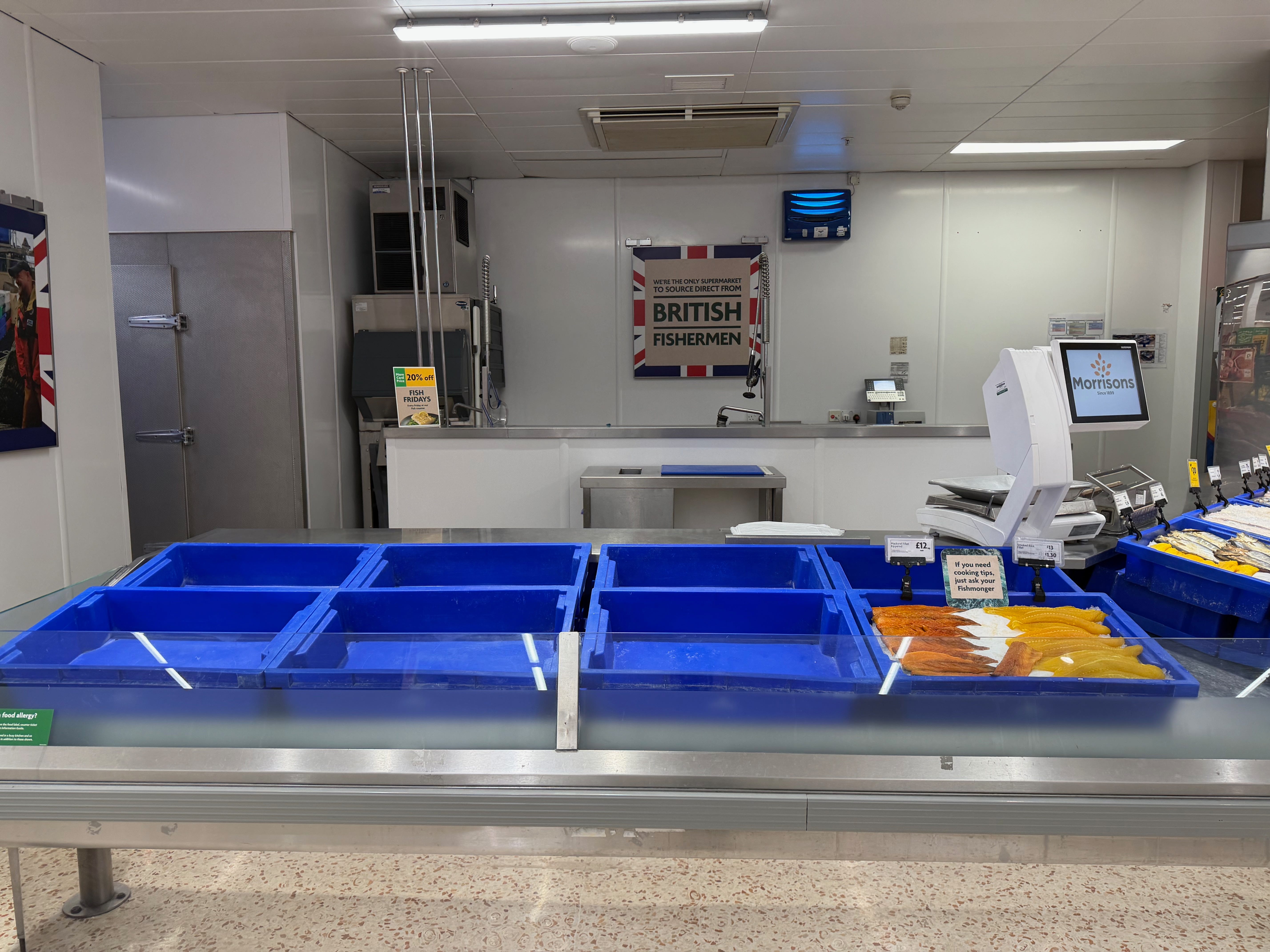
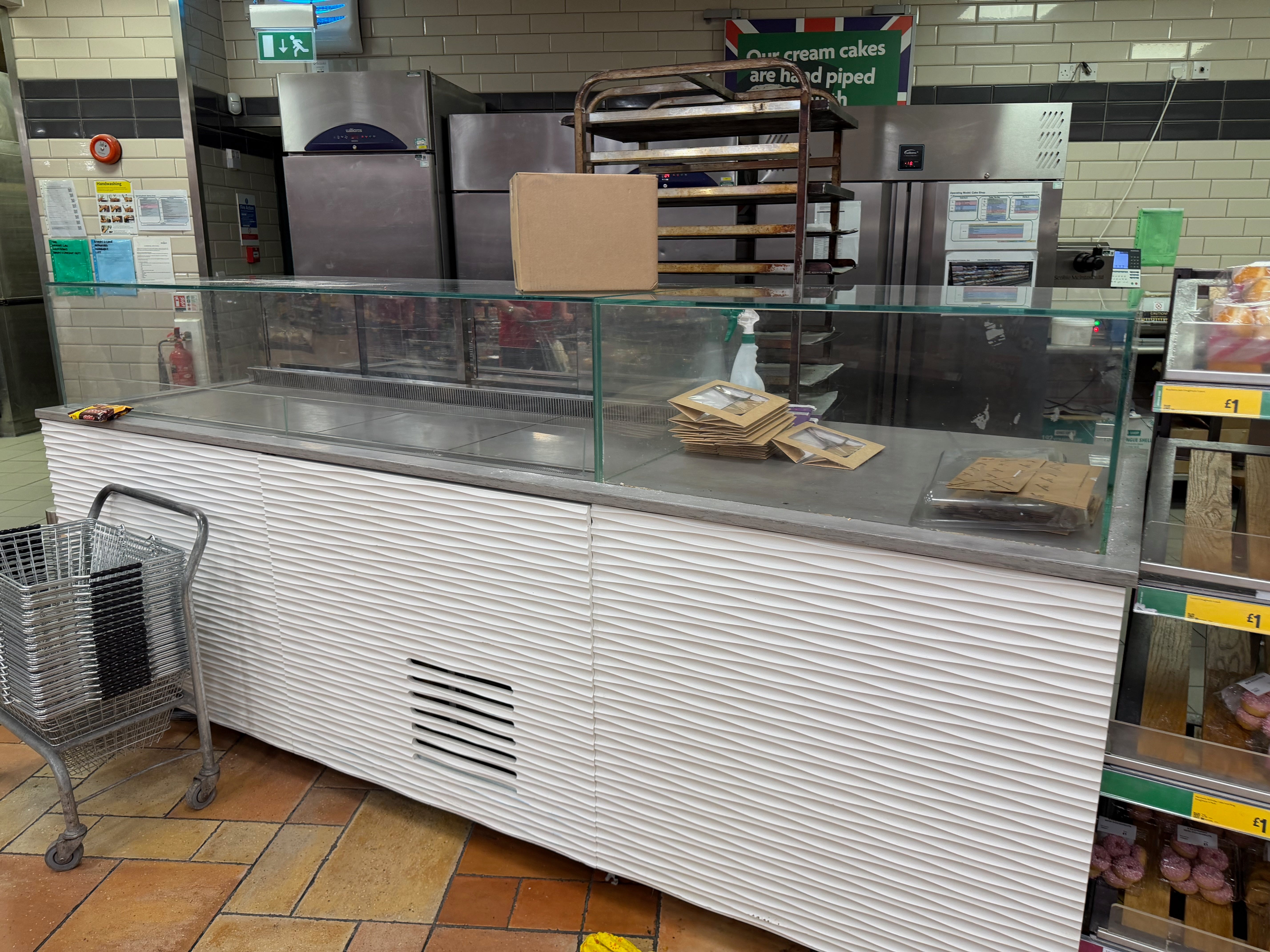
This now looks overwhelmingly like a laggard in an era of food price inflation and input shocks like the war in Iran and Ukraine before that.
When Sir Ken Morrison incepted Farmer’s Boy and the other vertical integration facilities in the 70s and 80s, expanding this further in the 90s. His aim was to cut out the middleman and pass the price benefits on to the customer: their best price.
Very evocative of Sam Walton, with Walmart.
The challenges with food production are numerous, but in this economic climate, you face into volatility on energy and must take the cost price increases almost straight away.
Whereas other retailers who deal with wider own label suppliers (as examples) can manage cost price increases on oil and other inputs through their negotiations and phase anything in.
But if you are Morrisons. You are negotiating with yourself.
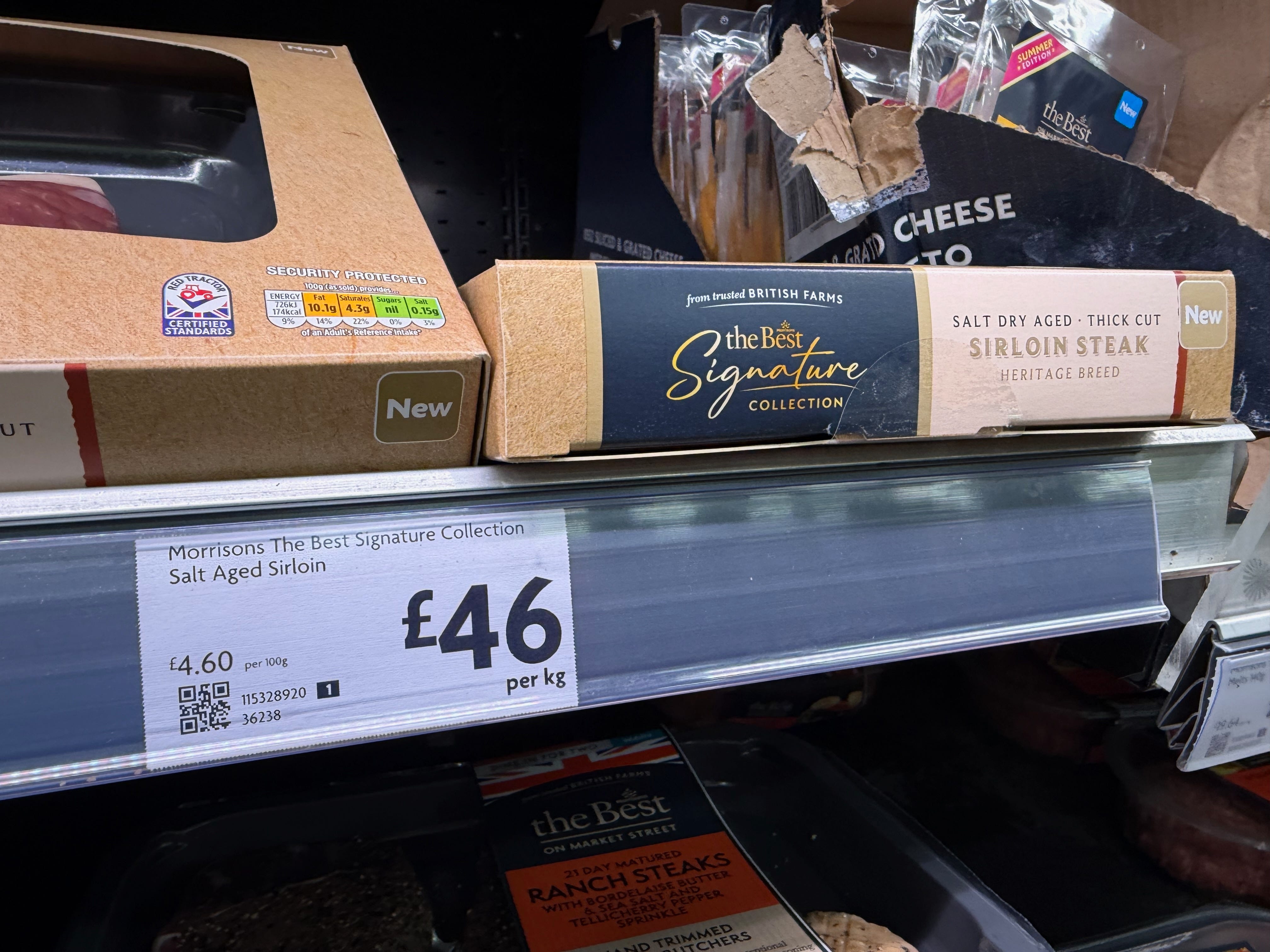
You can’t pass the price increases on, otherwise you end up raising your own prices faster than anyone else.
There isn’t enough of a benefit for customers to discern “we pay more for this because Morrisons makes it themselves” and in any case, the Morrisons store environment is not one that lends itself to premium retailing, at all.
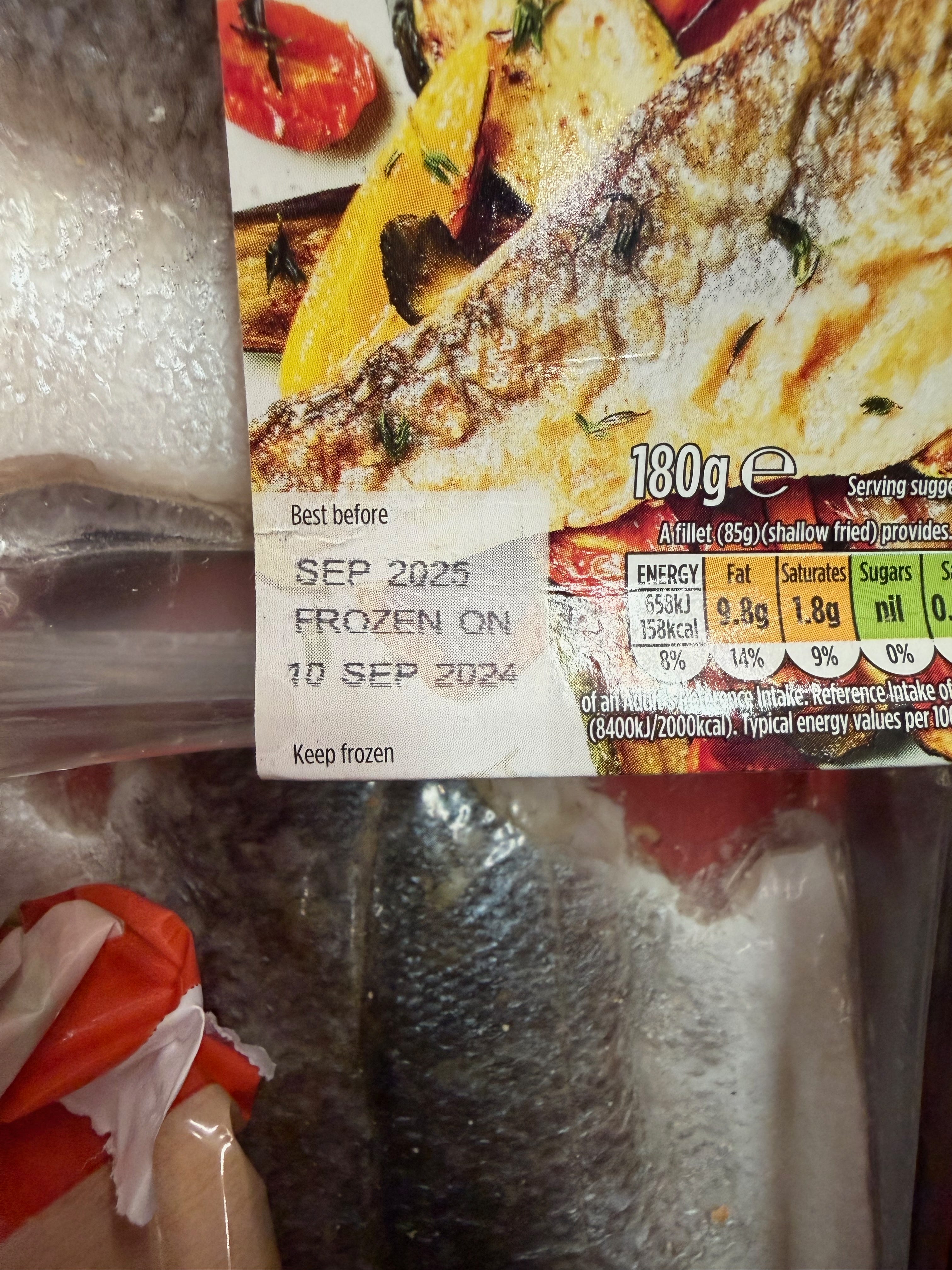
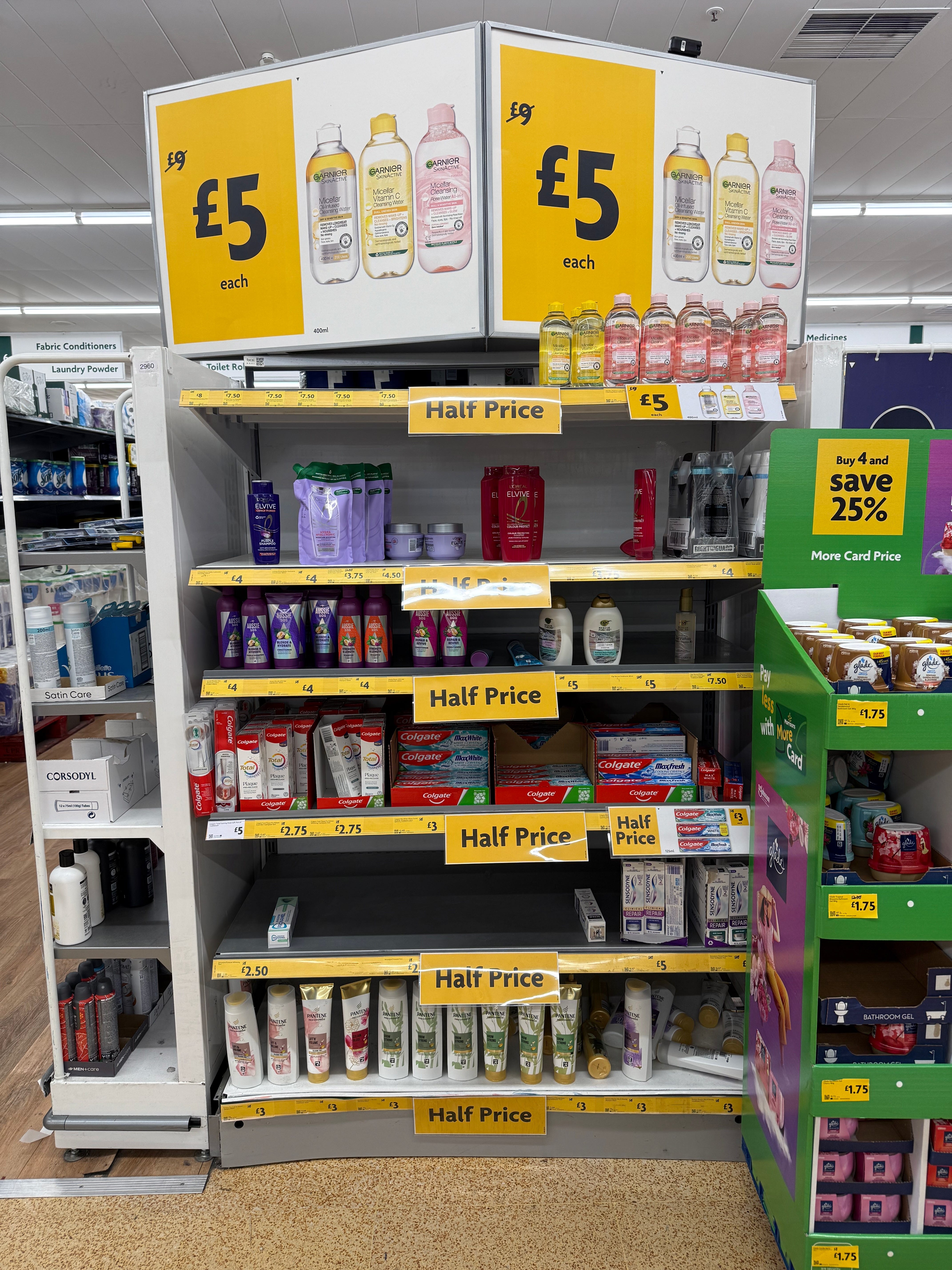
It’s a marketing challenge in part (IE how do we tell the story to customers) but also, it’s a trading and retail challenge too. IE if counters are closed like the below, for no discernible reason, it’s not helpful. Or acceptable.
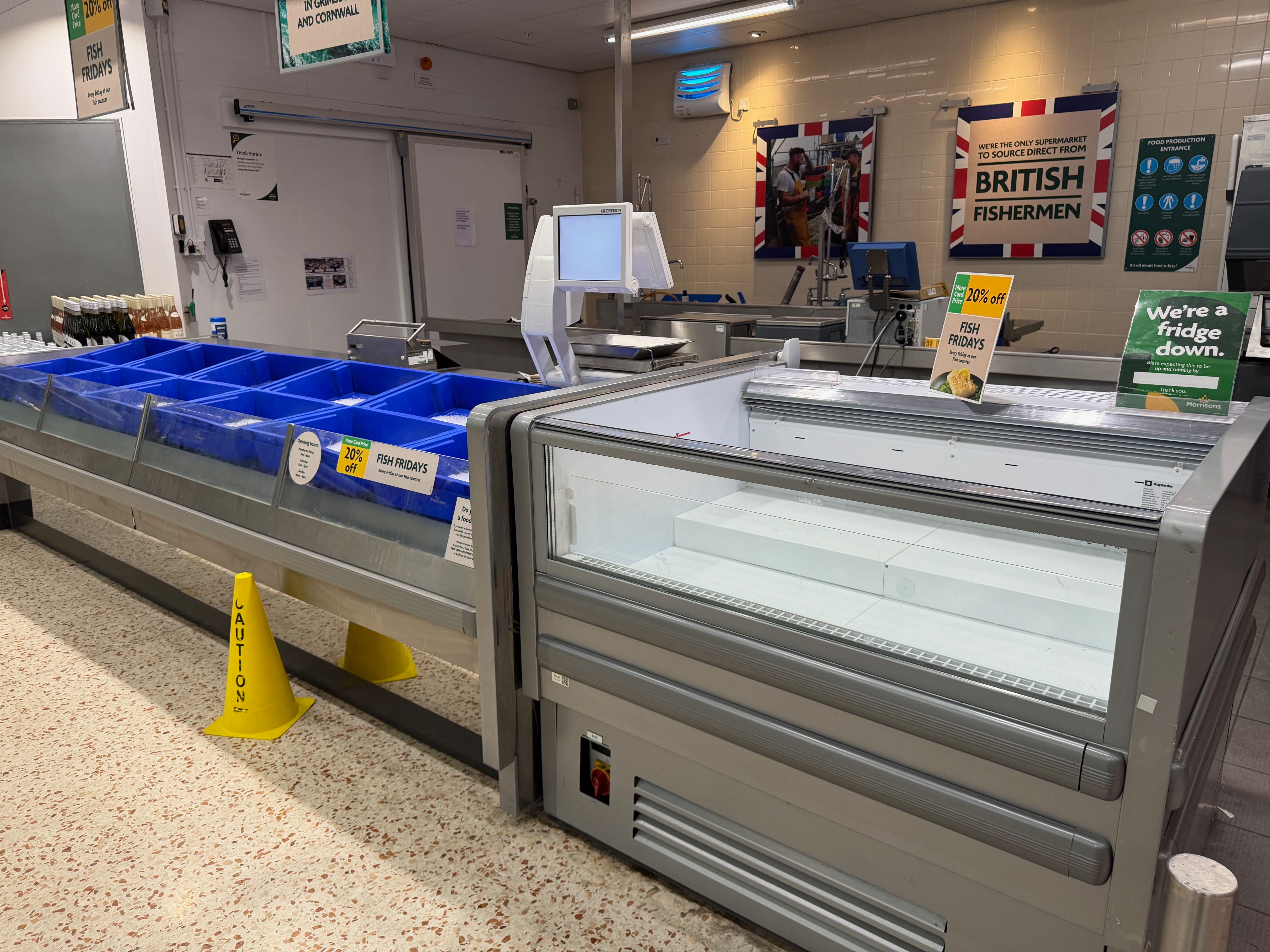
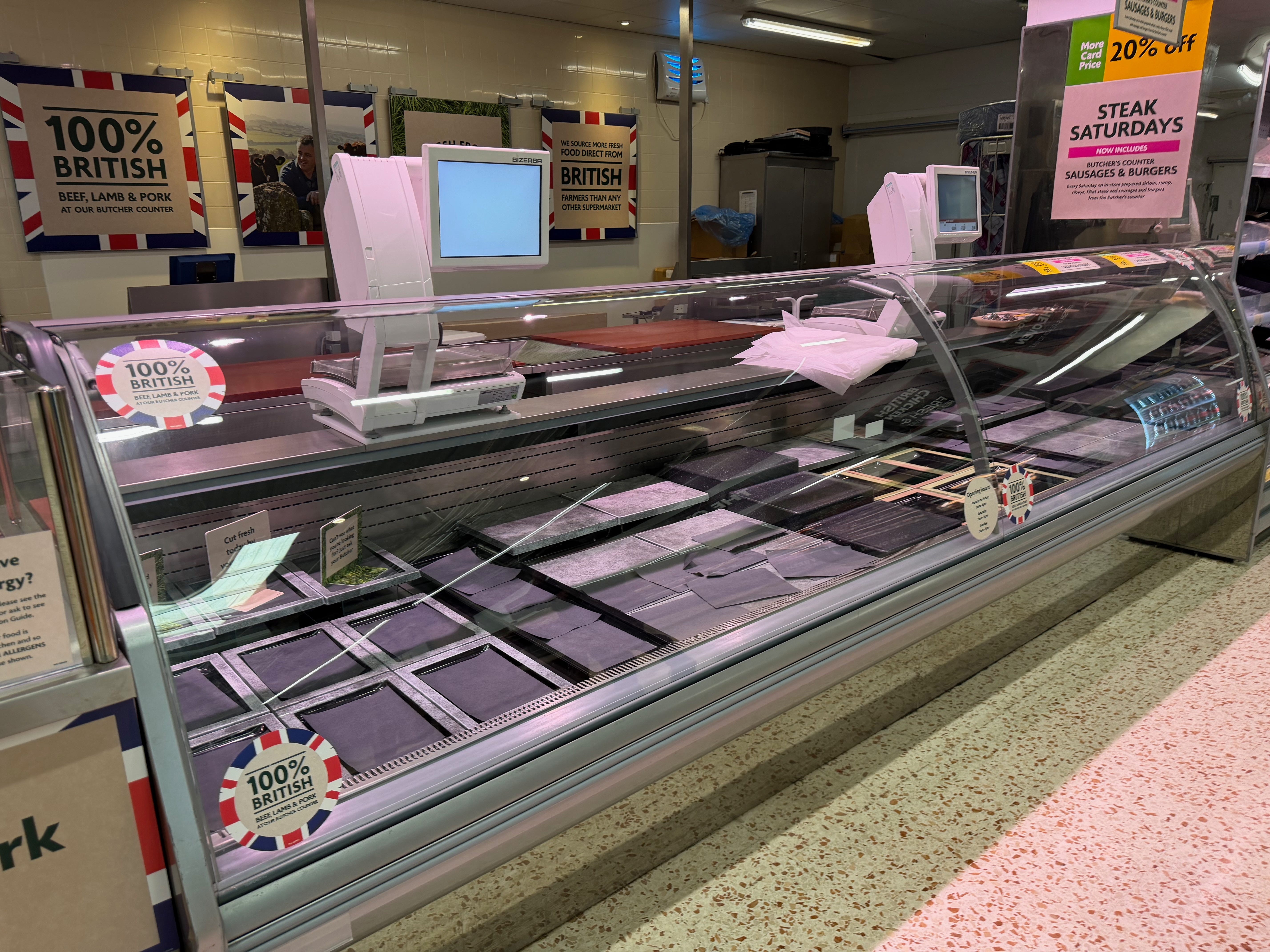
This means the margin is under even more pressure.
Not to mention that the core of the Morrisons business faces falling volumes, in part due to competitors but also one cannot escape the impact of their own efforts.
I know they can (and do) sell to others (Myton Foods, that is the Morrisons manufacturing arm.) But that is not enough to prop up the core of the business not performing where it needs to perform.
Which then makes the vertically integrated structure increasingly questionable, with the business not growing volume or looking likely to, either.
The numbers really don’t make any sense for the vertical integration any longer.
What you do with this side of the business is a question in itself.
In the 90s, you can read the annual reports of Morrisons where Ken and the board talk about near-zero food price inflation. This, of course, was greatly helpful for Morrisons when they were expanding and owning their own facilities, especially with the volumes of the business they used to do back then as they grew.
There was a laser focus on execution, availability, shop standards, trading and driving sales. Their return per square foot was astonishing.
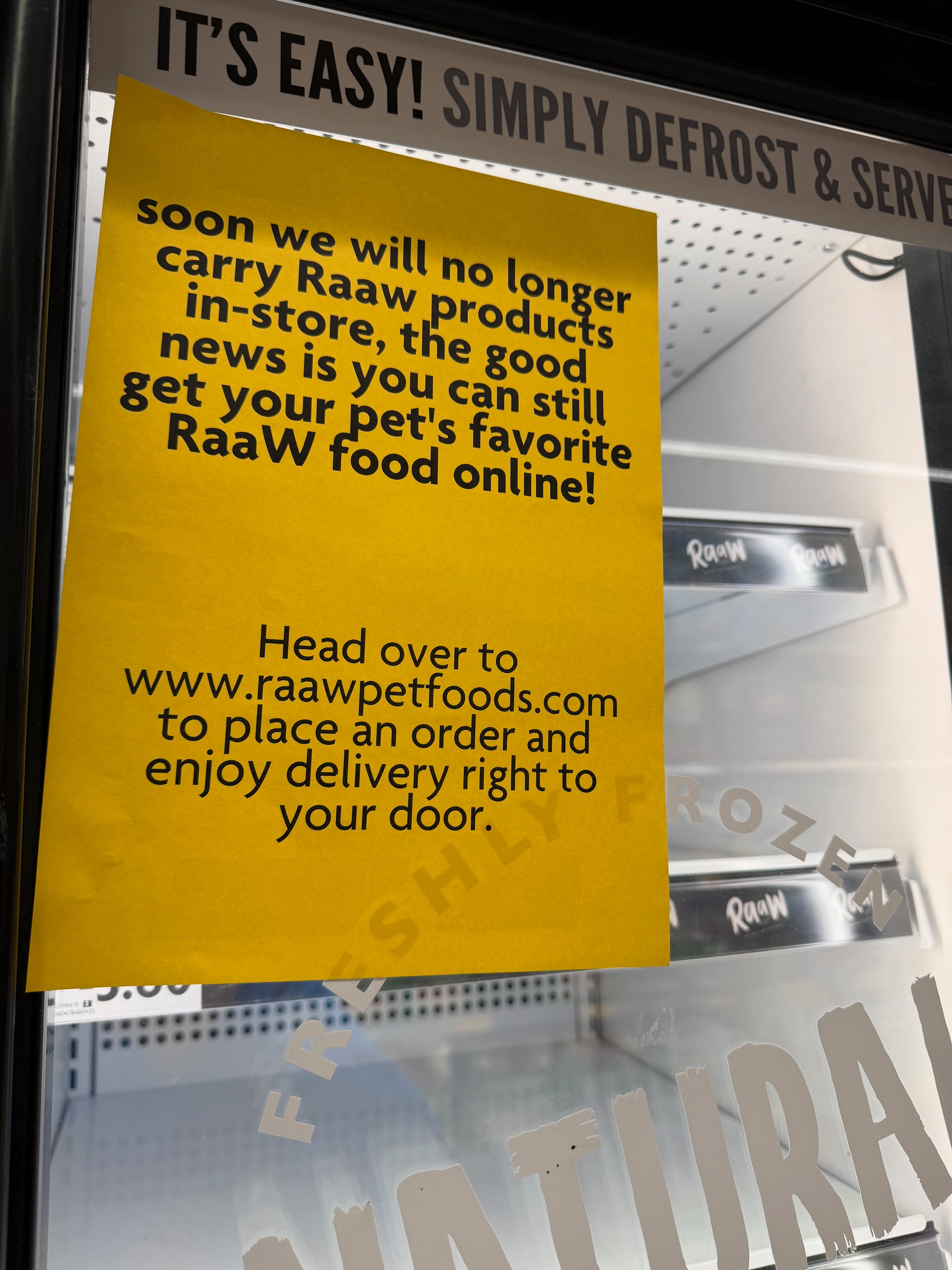
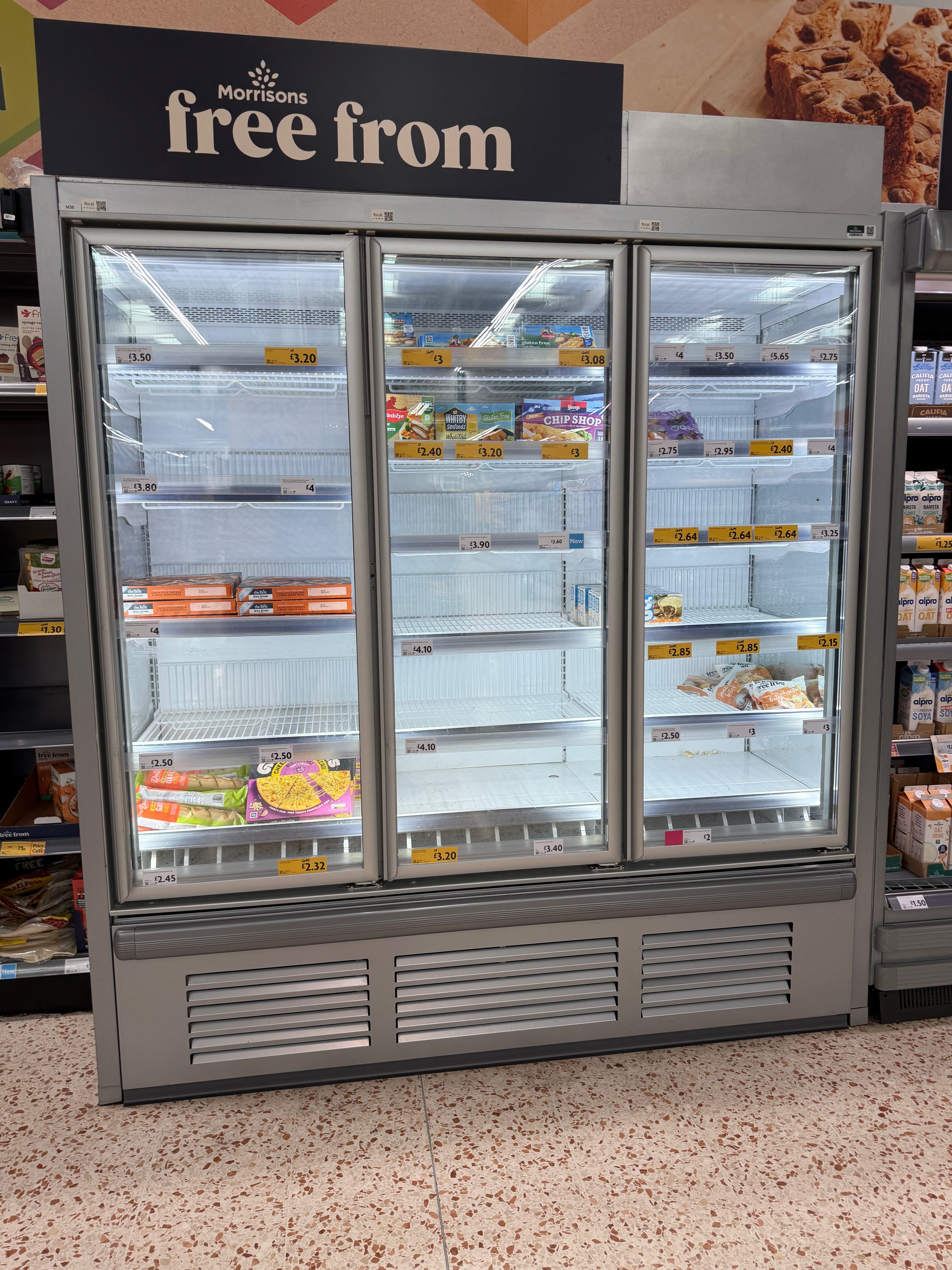
But for Morrisons in 2026. You’d scarcely believe it was the same business.
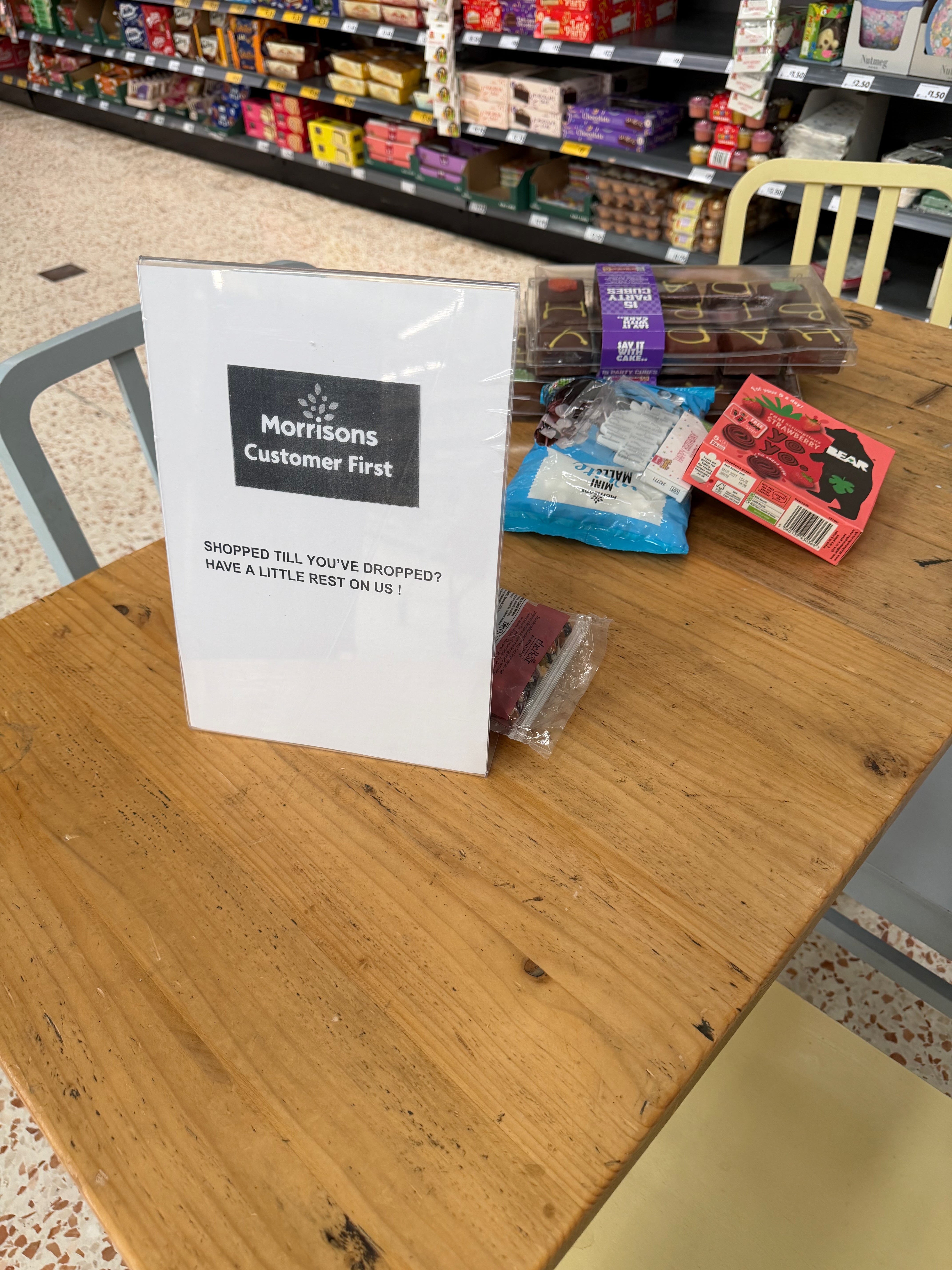
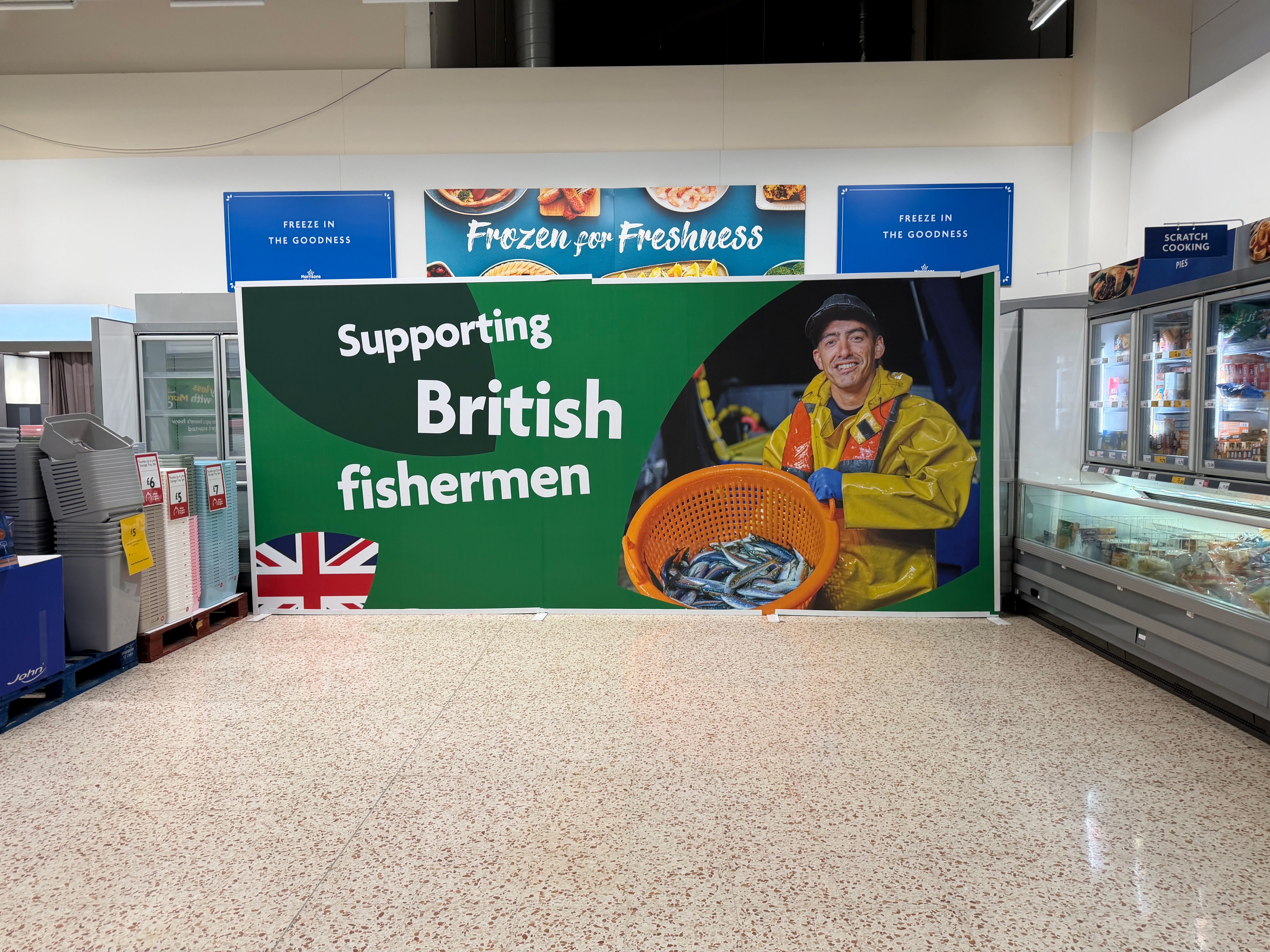
Sir Terry Leahy is the chairman, a retail titan.
With his inception of the Clubcard in the mid-90s for Tesco, surely it means that the loyalty scheme for Morrisons should be at least competitive in the market?
It’s nowhere near.
Also, when Sir Terry visits stores, he must see what the rest of us see?
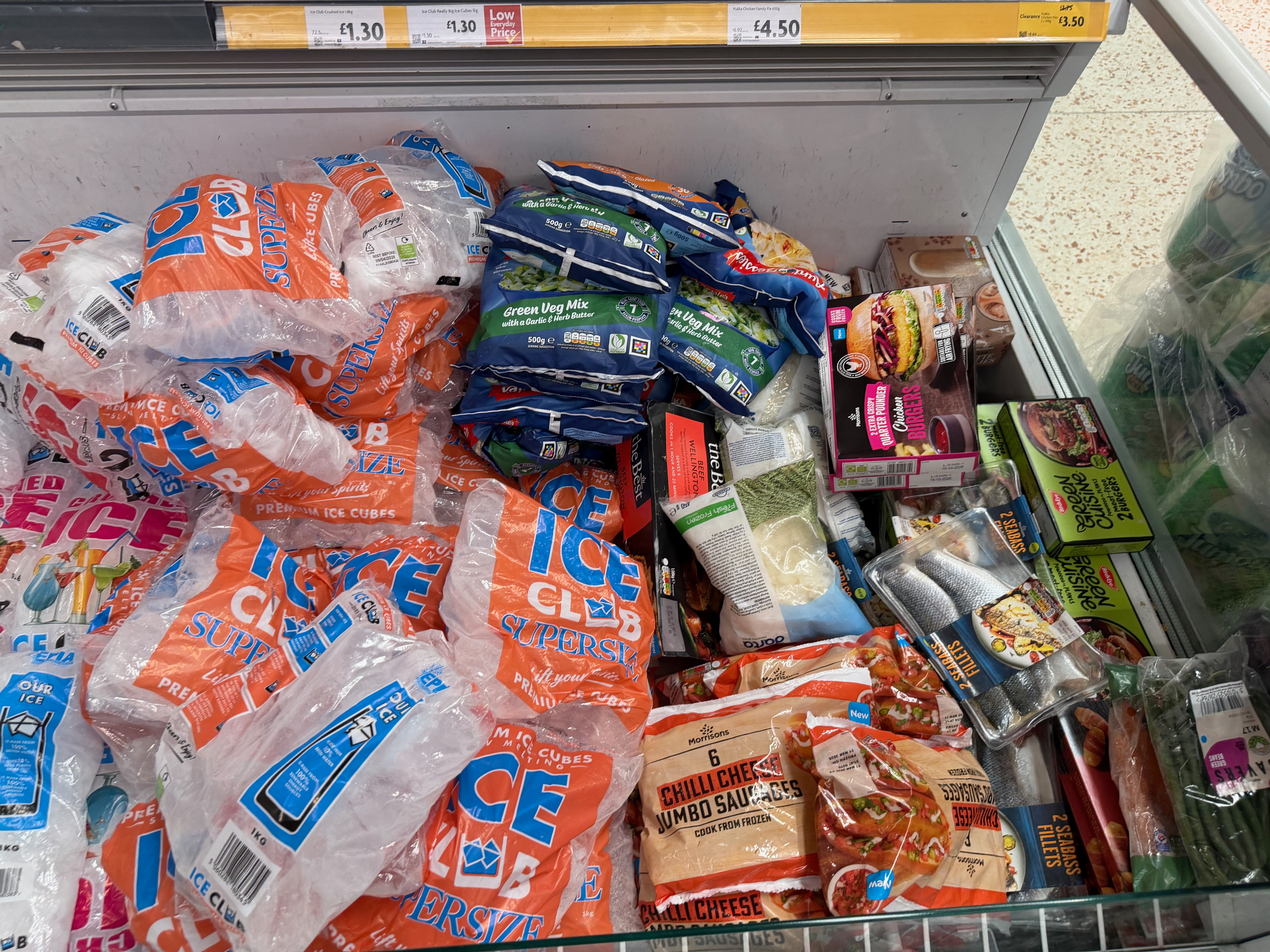
A business that has stopped investing, stopped growing and almost celebrating a goalless draw by just trading each day, rather than being on the front foot and offering an alternative for customers to other retailers.
The Morrisons More Card is the most confused loyalty scheme perhaps in the history of retail.
Not all prices are loyalty prices for a start, which is different but also confusing.
There is a points scheme that’s barely relevant or understood.
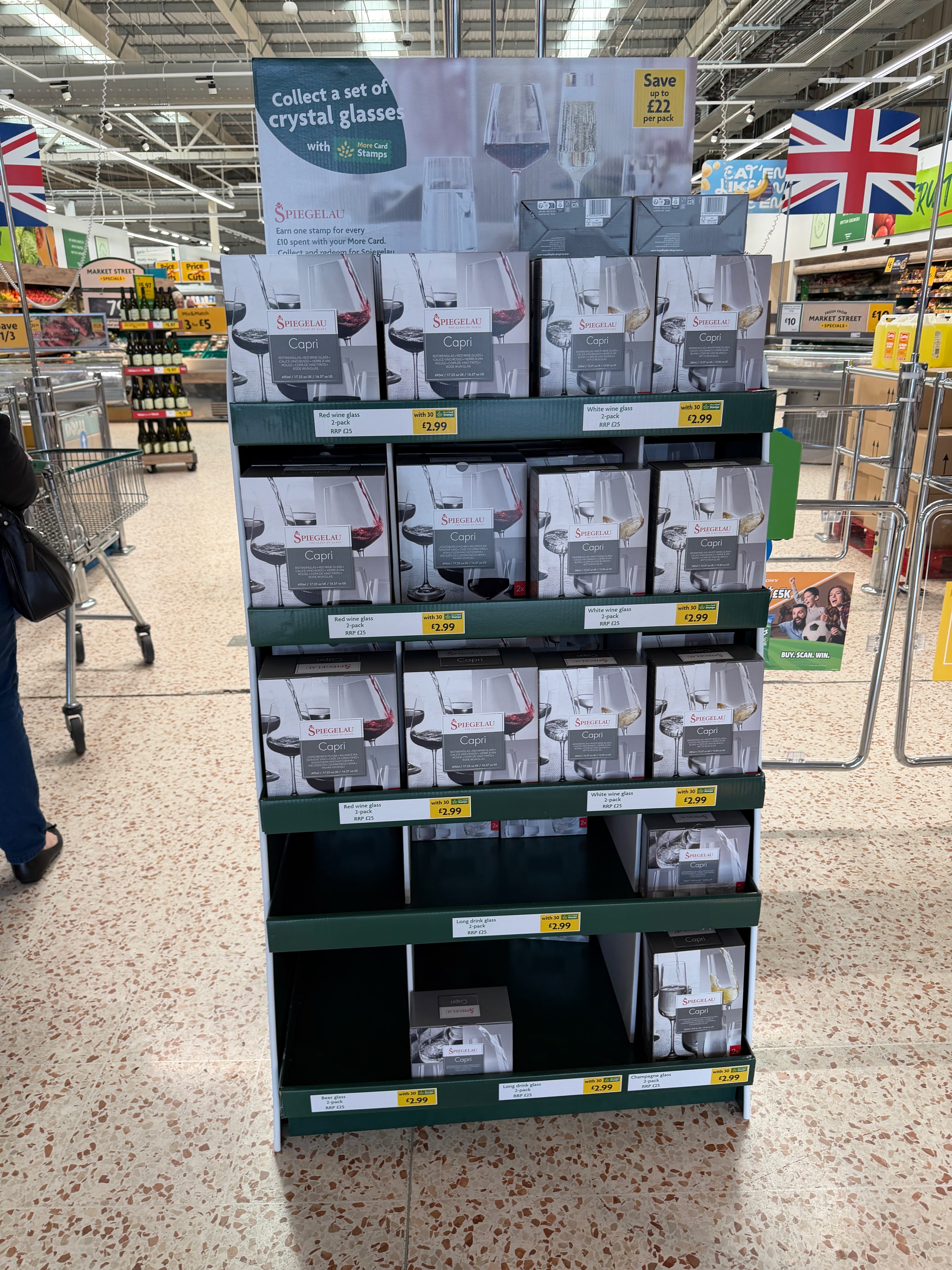
Morrisons seem intent on repeating the mistakes of Tesco in the 2010s by operating bizarre coupon and collector-scheme ideas. One last year for Pyrex dishware saw volumes sold off, this year it’s crystal(*) glassware….
But these schemes just reward the existing customer base (If they are bothered enough) and certainly, not one customer is crossing the road to collect stamps for such items.
Asda are the counter-example on loyalty.
Allan Leighton has got that business off retail media as a drug and off loyalty pricing too.
One can only admire the singular focus: the central aisles turned to Rollback overnight in January 2025, back to a focus on price, loyalty reduced to money off GM to aid clearance. A strategy!
Morrisons, by contrast, can’t decide.
The More Card is on some deals but not others. They did, for a time, put it on buy six at 25% on wines the industry’s major deal but then sometimes turn it back off.
More points on own label, it’s now unclear if that’s still happening, if so, what does it turn in to, redemption wise?
The loyalty scheme, like the business, is incredibly confused, and that confusion passes straight to the customer, via the stores.
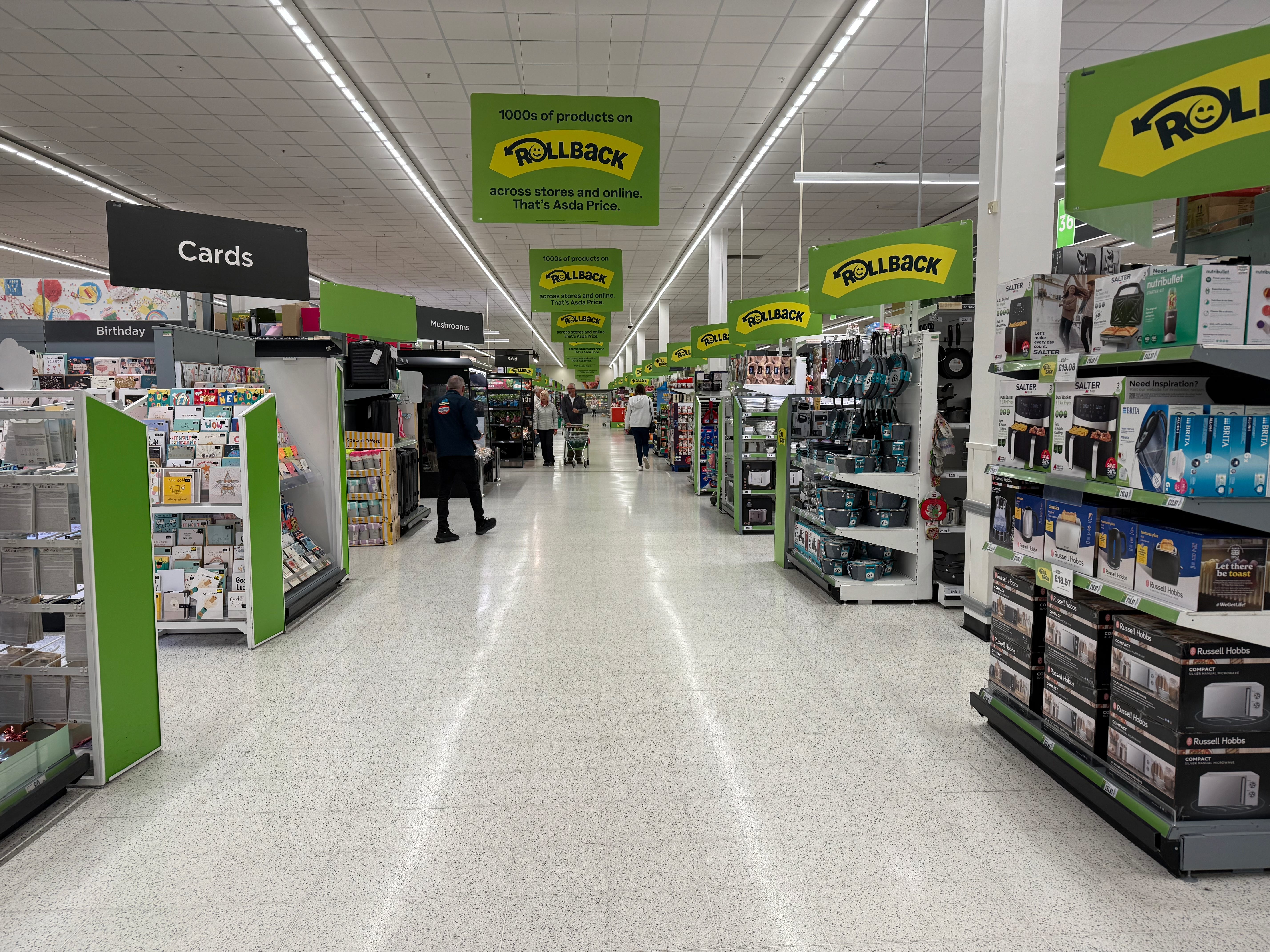
Turning to Asda as we look at price in general. They’re becoming competitive once again with a clarity on their offer around loyalty pricing, low prices and x for y deals.
Another string to their bow by focusing on price rollbacks alongside near-permanent multibuys in selected categories – such as cooking sauces, ready-to-drink alcohol and Cereals.
These are well signposted in the revamped bays and offer simplicity to the customer.
Such deals reward the customer for buying three or six, which then as a drumbeat for value, starts to persuade and train the customer that they can save with Asda each week.
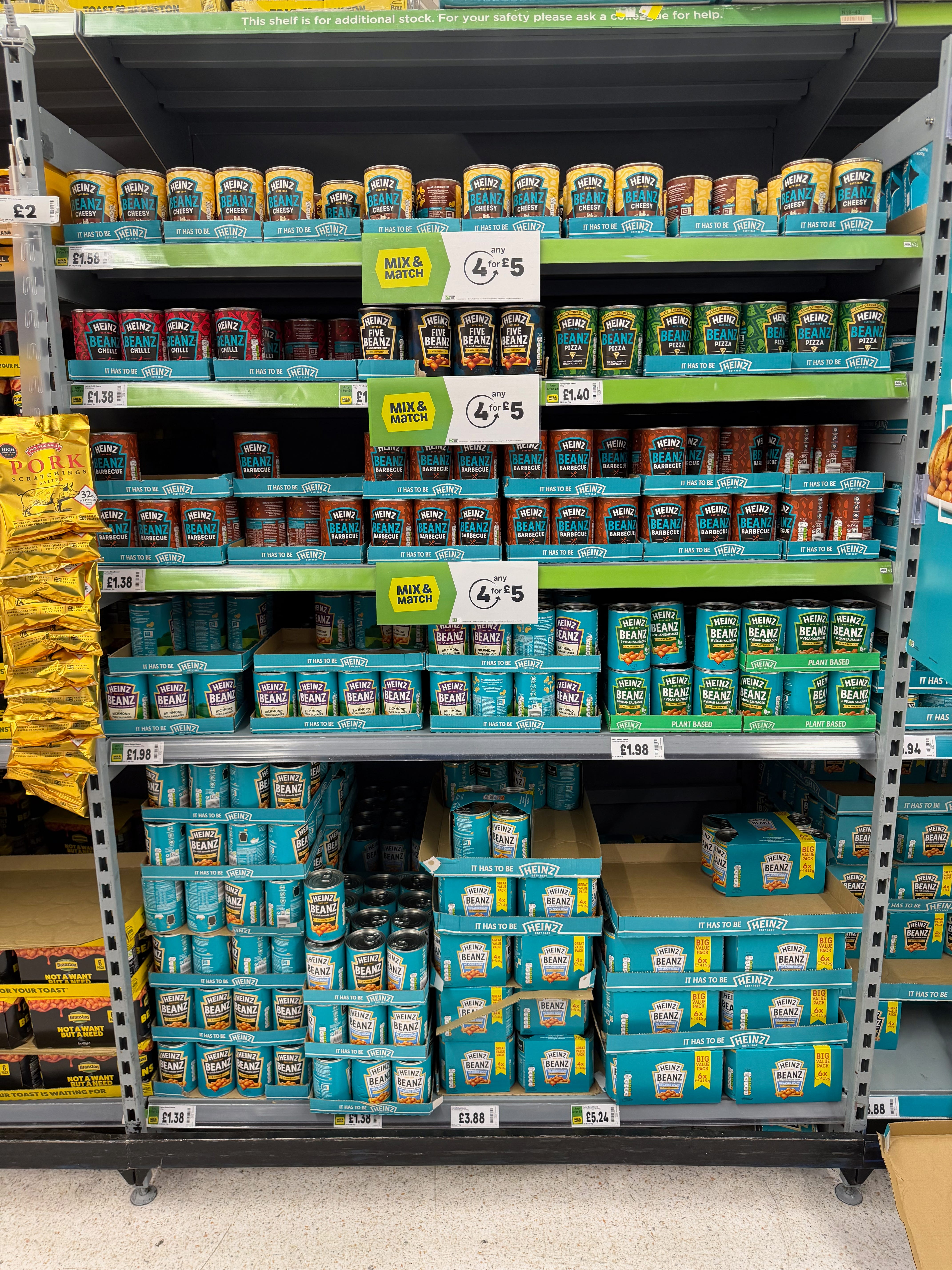
This of course is nothing new. It’s the same strategy that Darren Blackhurst and co. adopted in the mid-2000s and is something that served them so well, alongside the SKU rationalization alongside it.
Morrisons are trying similar but often end up being uncompetitive versus Asda because they try to do multiple in aisle deals which then just confuses the offering and makes them look expensive.
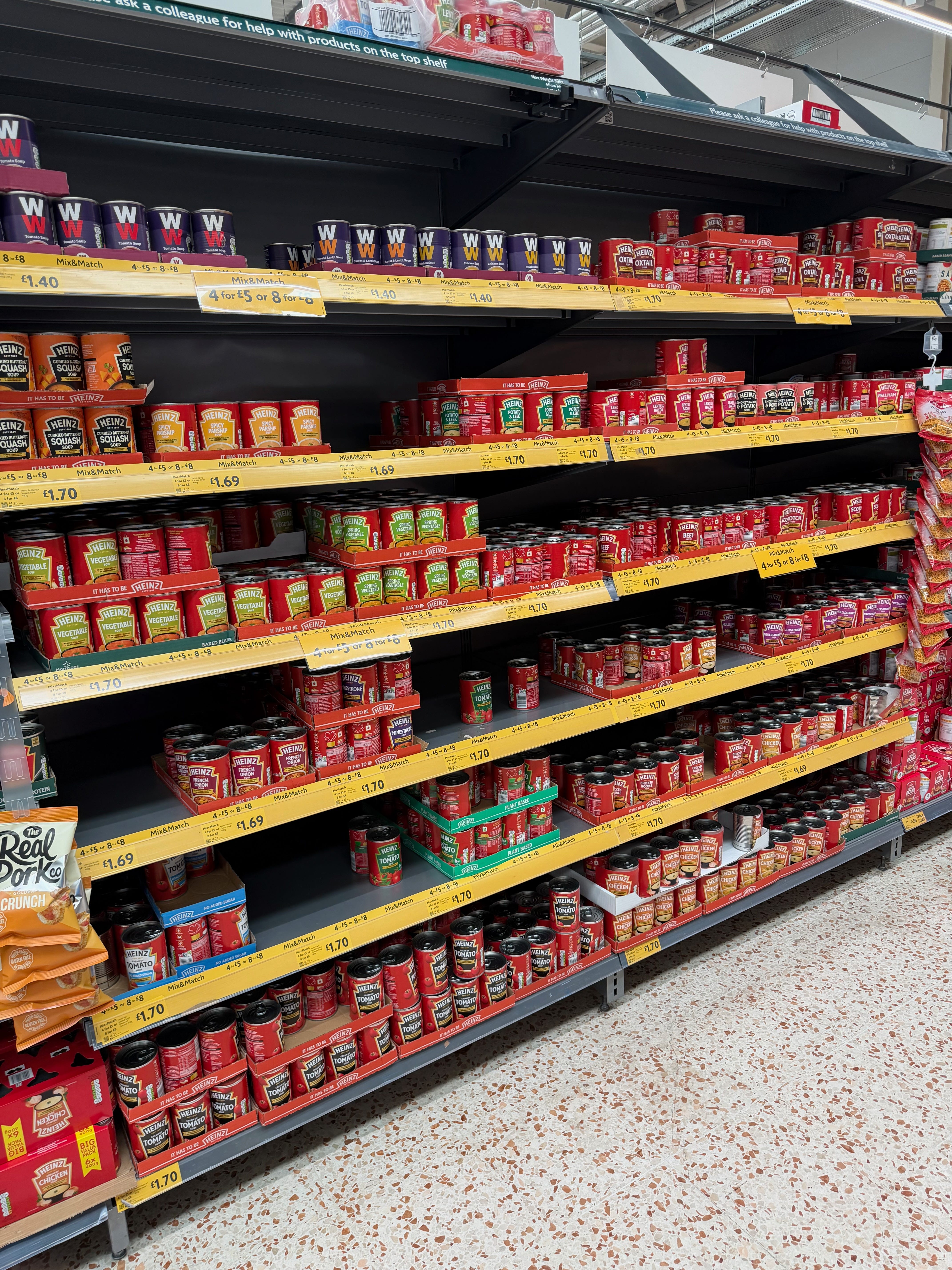
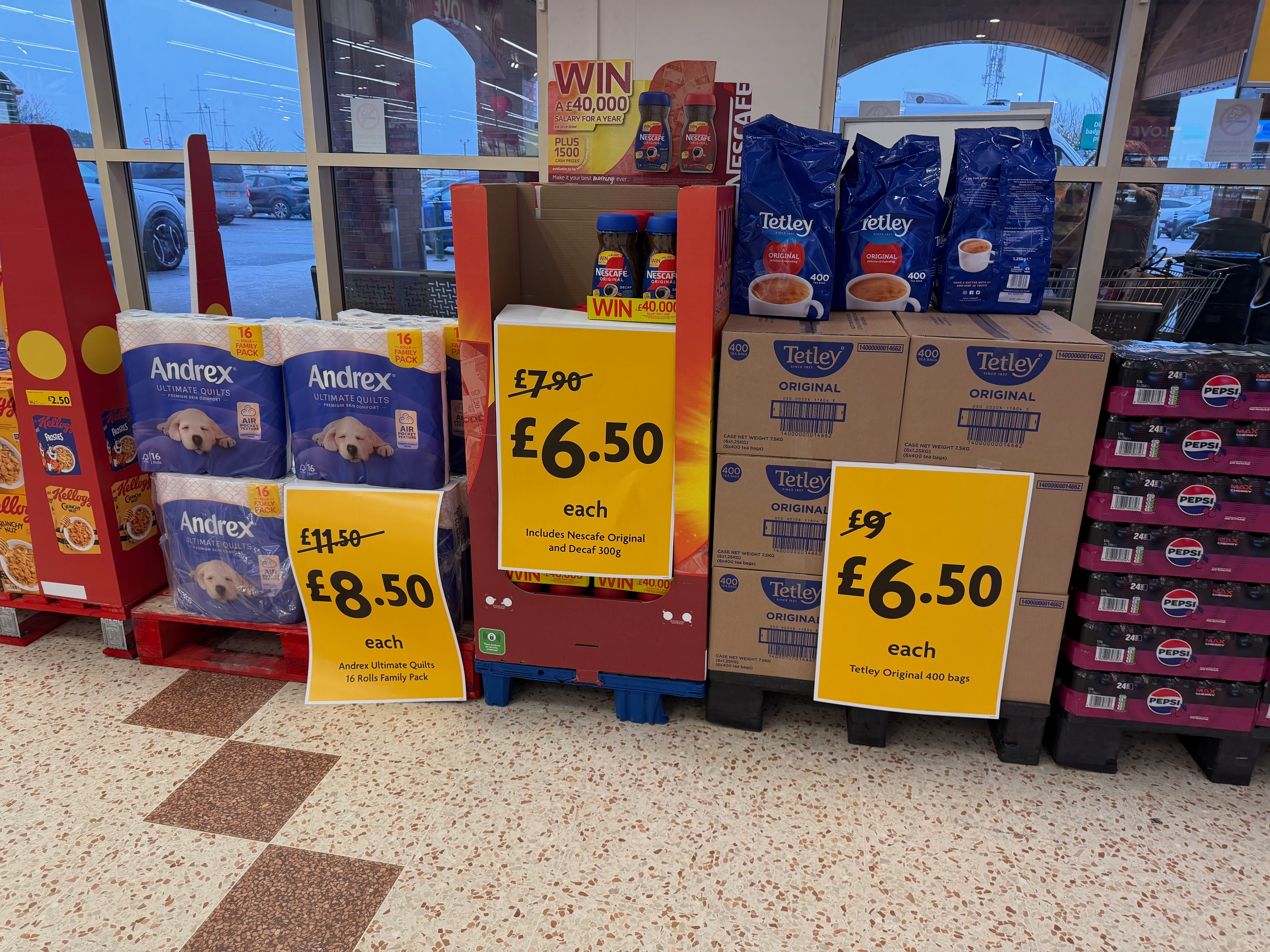
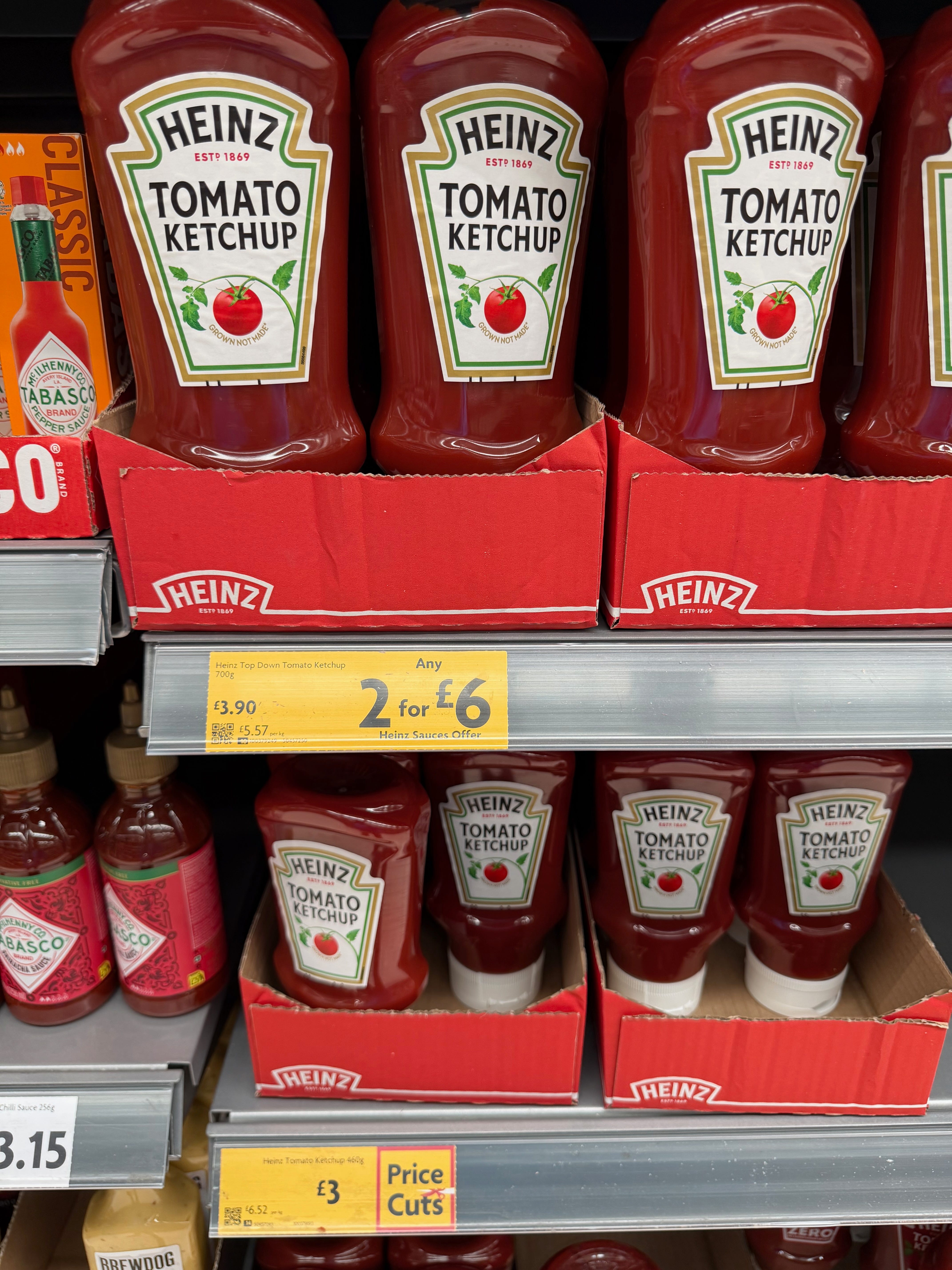
Morrisons do price-match Aldi and Lidl (whereas Asda do not) and they have a low-price everyday style moniker that presumably is designed to trade against Asda, B&M and other leading grocers in the Ambient space.
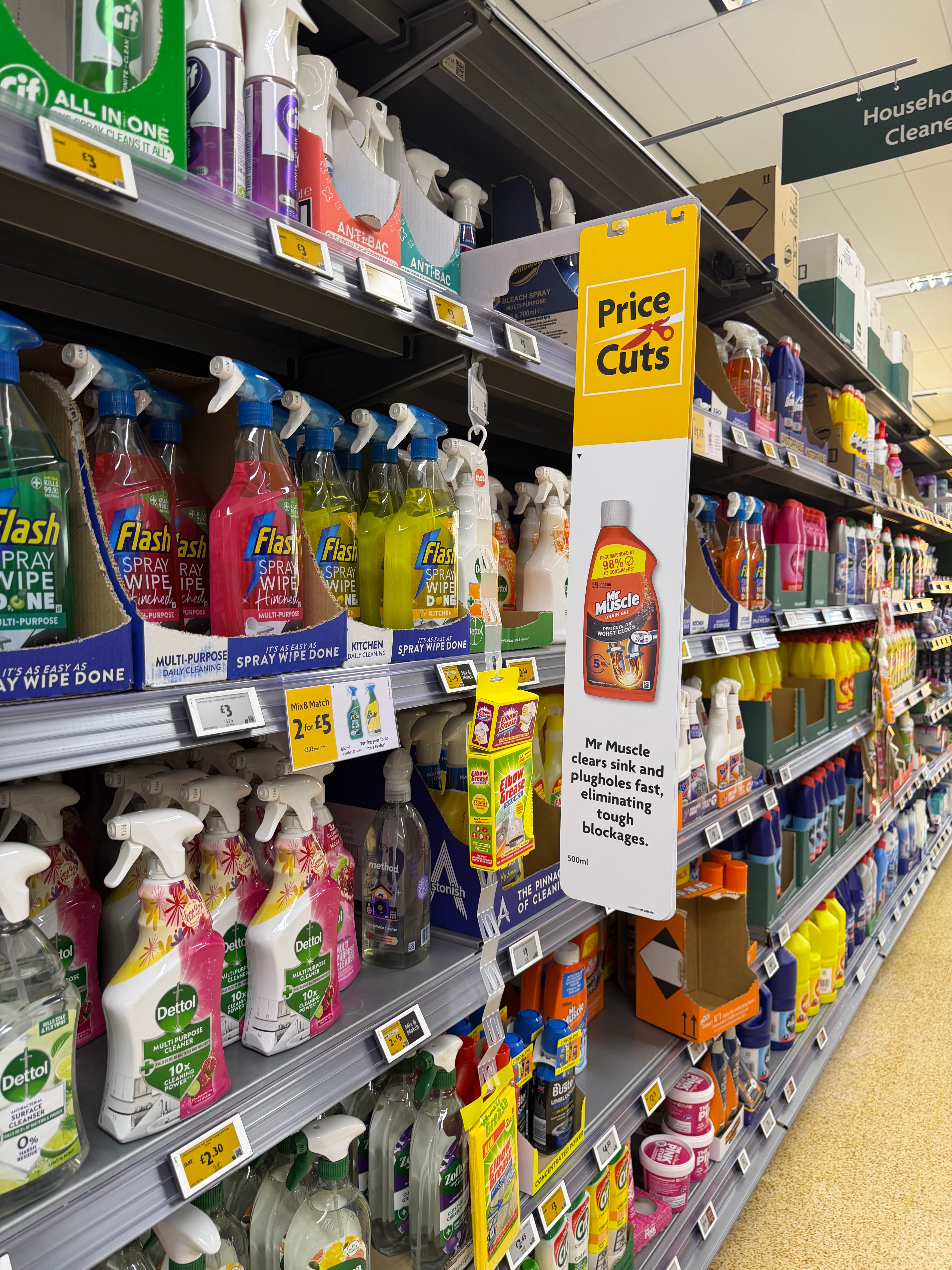
You’ll see pairs of scissors in the middle aisles and in the central space, which is Morrisons’ core price campaign of Price Cuts, like Rollback in its 12-week rotating nature.
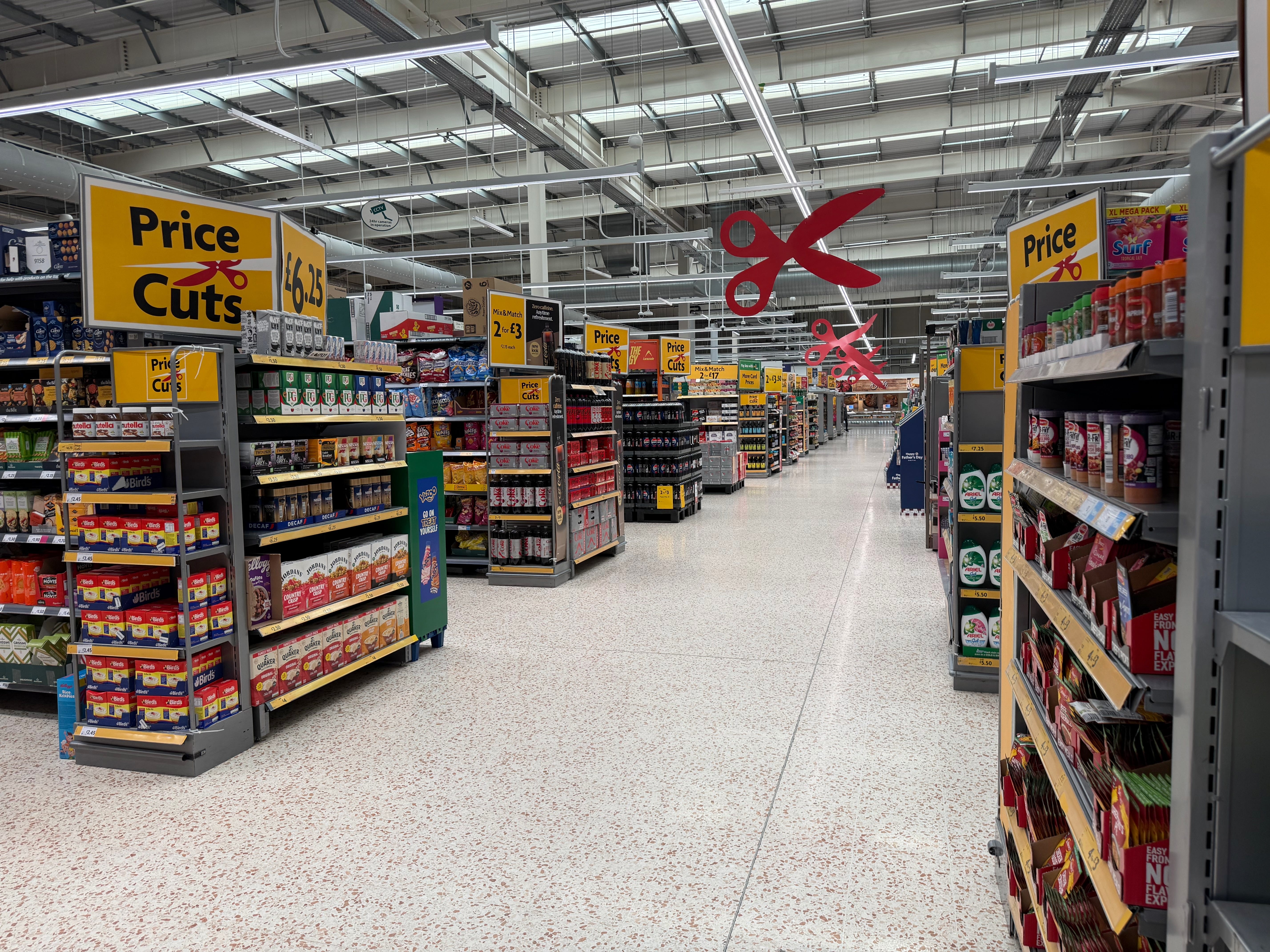
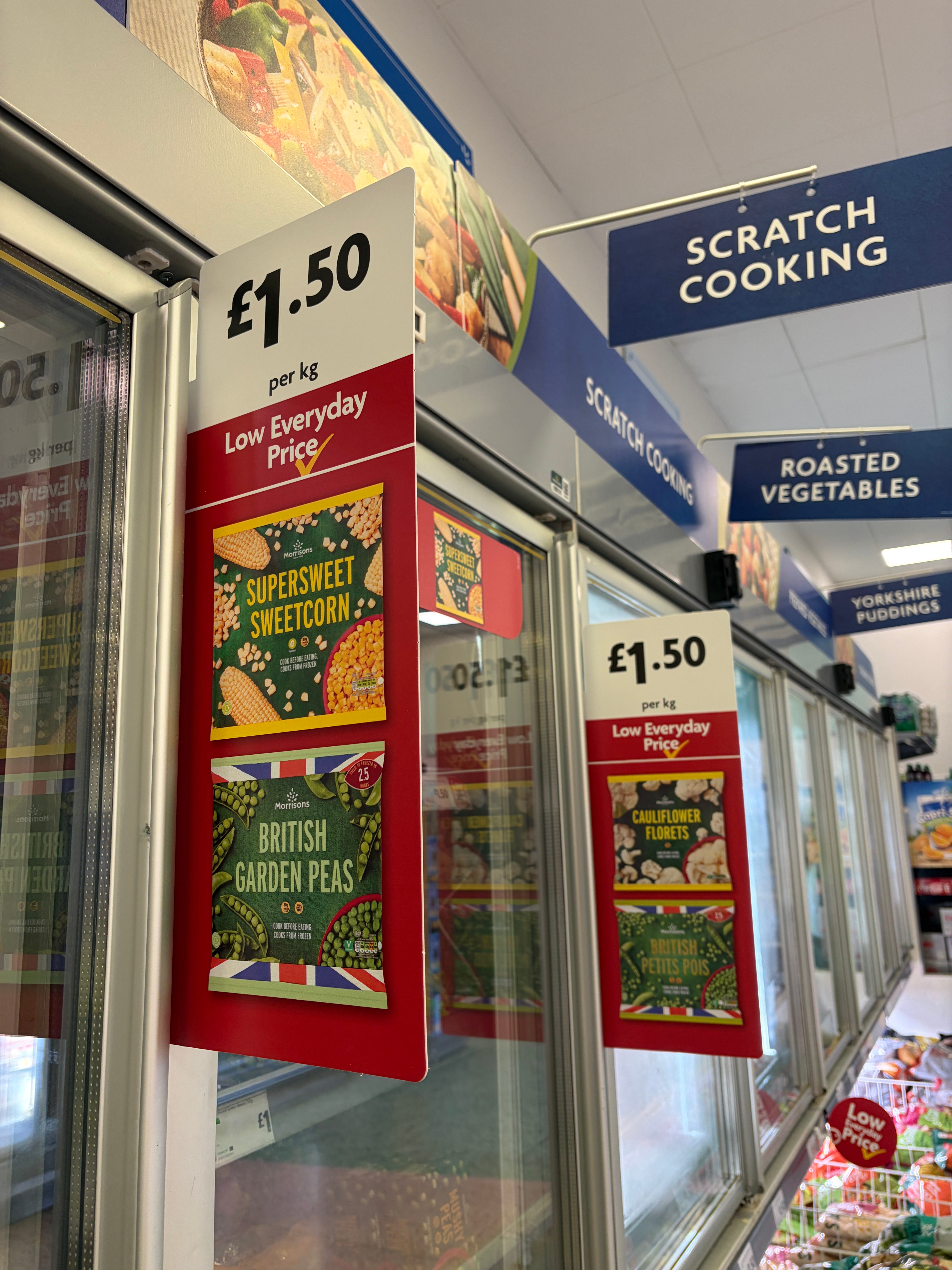
All of their price campaigns are valid; but are lost amid all the other noise in aisle.
This means their work is wasted as customers are unable to discern what the value proposition is.
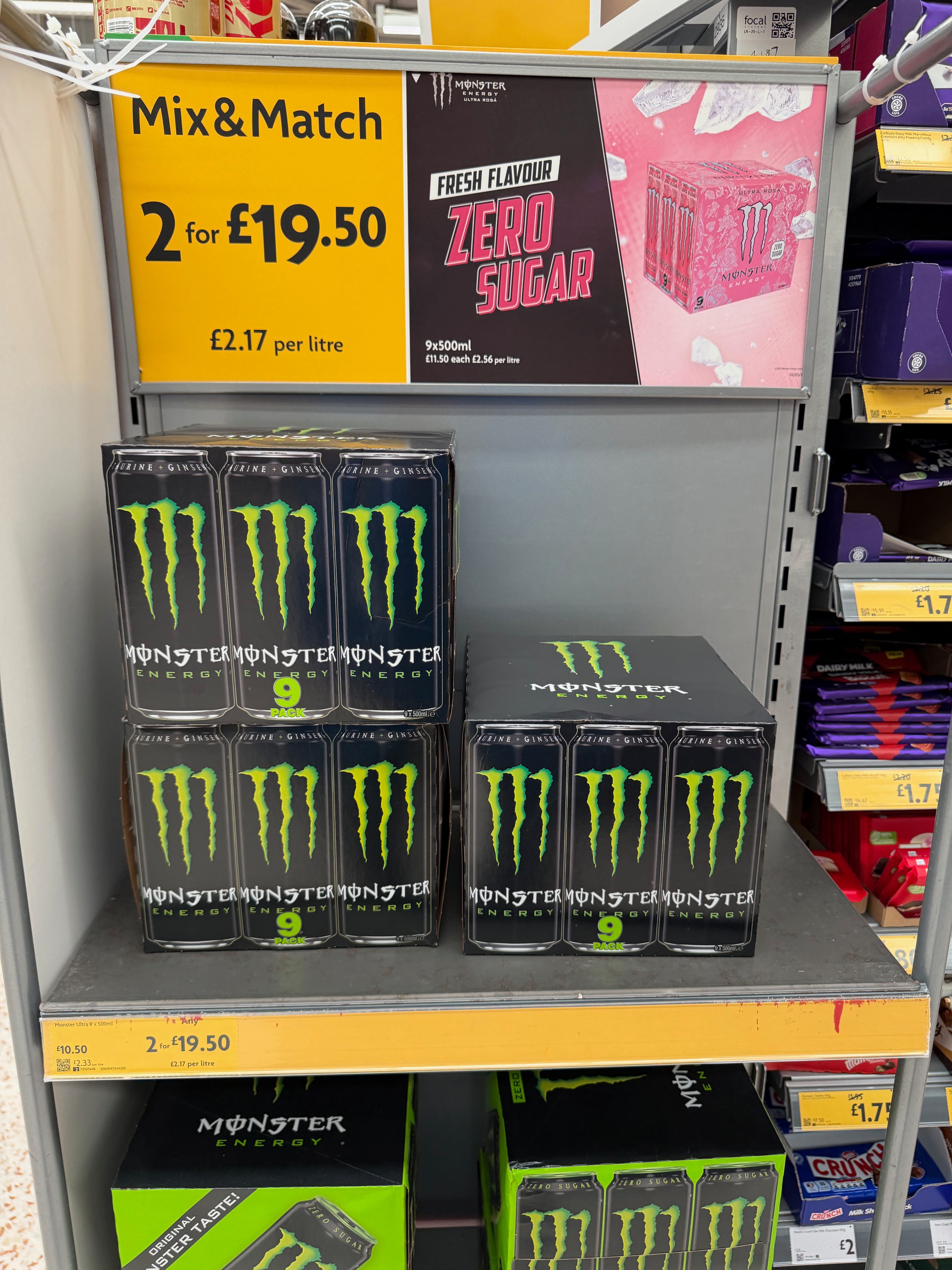
Speaking of noise – we then come to Retail media.
I’ll do more notes on retail media in the coming months.
The industry has a real problem with it I feel.
At its best – it’s a very useful income generator, allowing the retailer and their associated data arms to benefit nicely.
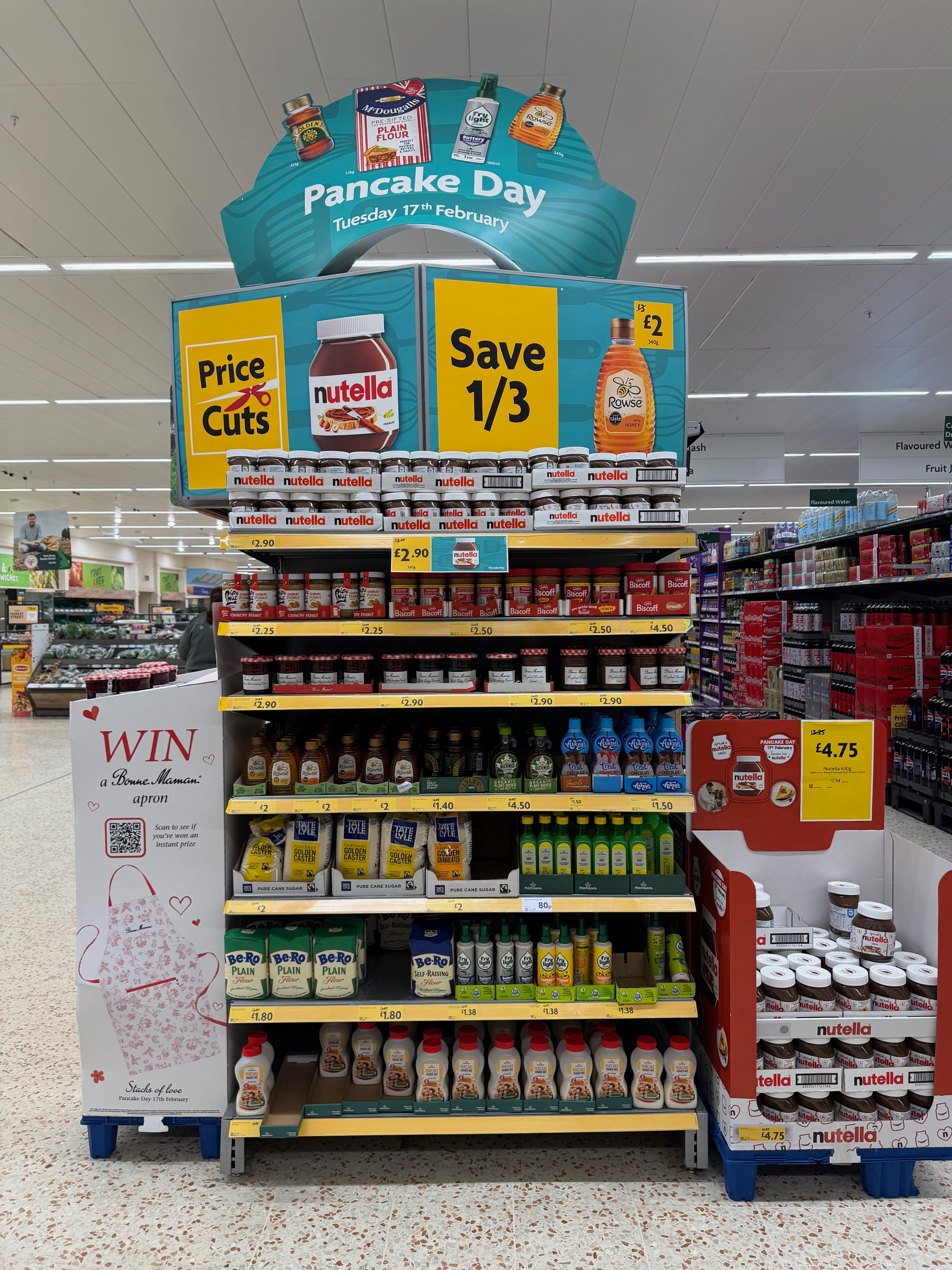
At its worst, a retailer becomes hopelessly addicted to money for signage and effectively a real-estate company that happens to sell food.
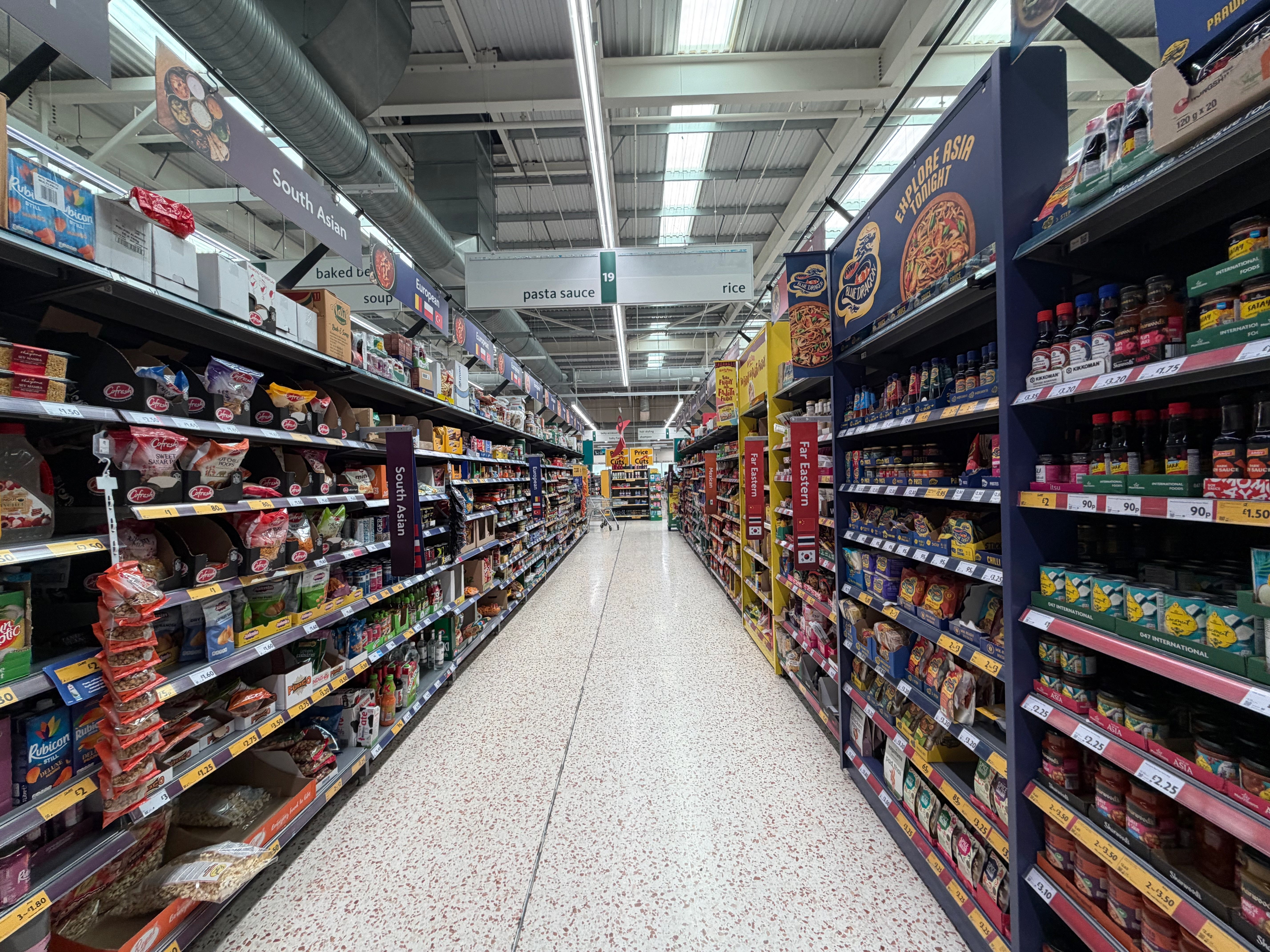
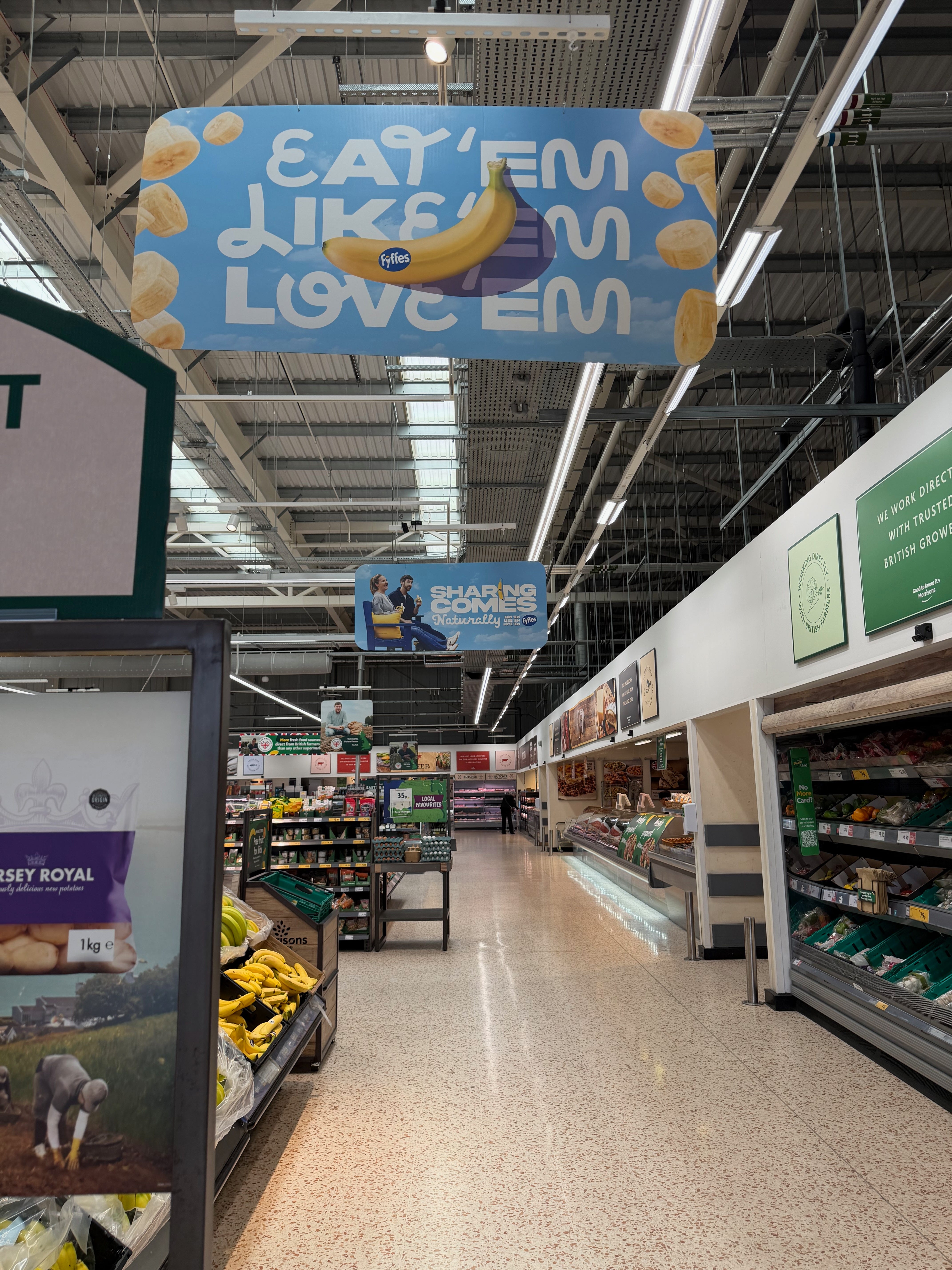
That is where it would put Morrisons at this stage.
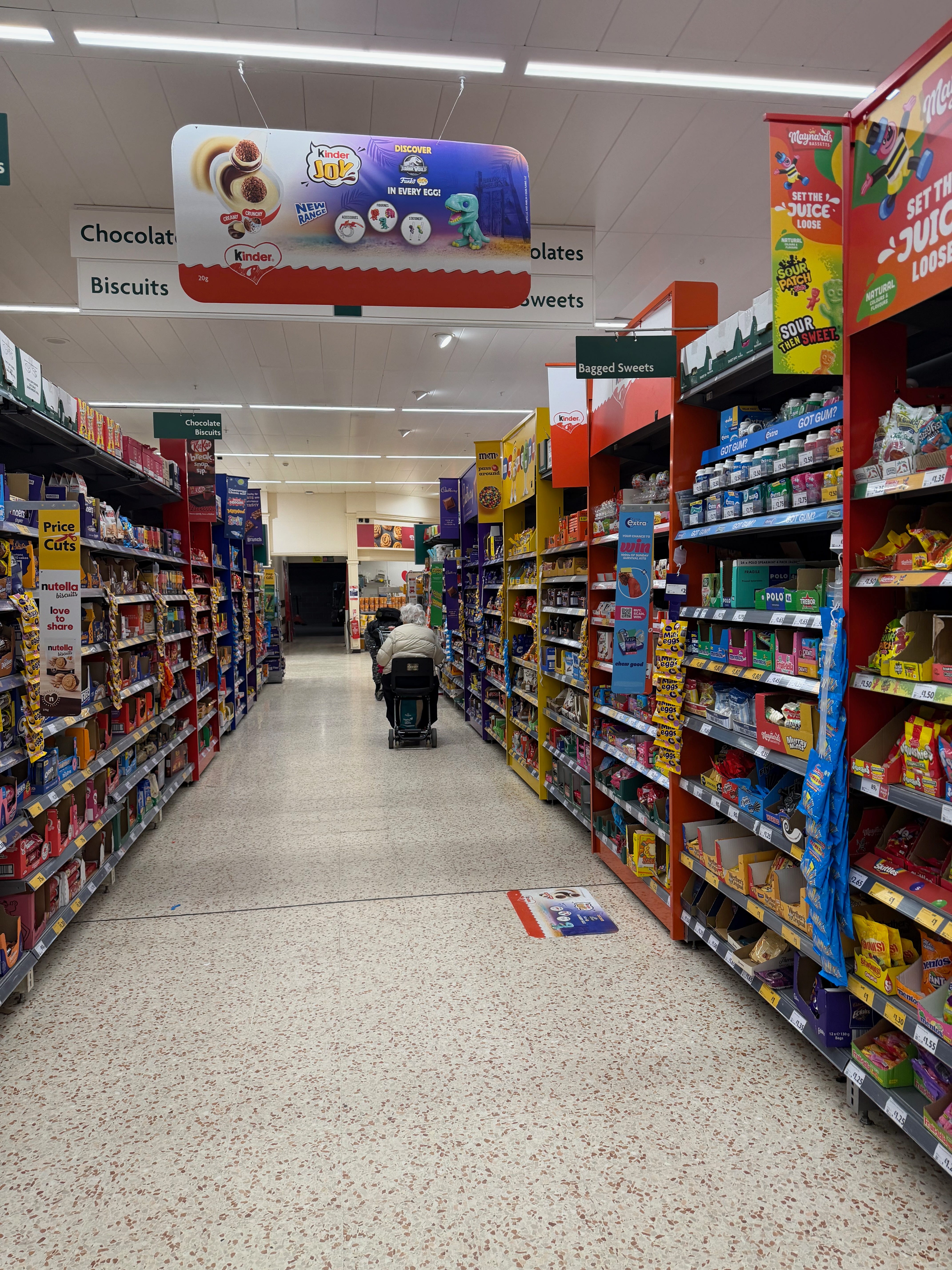
Asda were also addicted too.
If we look back to ’23 and the dark days towards the end of 2024 when the financial people were running the business, Asda were a mess.
This explains why things have been so difficult, for so long. Momentum is crucial.
The central aisle was overtaken with branded messages, space just sold to the highest bidder.
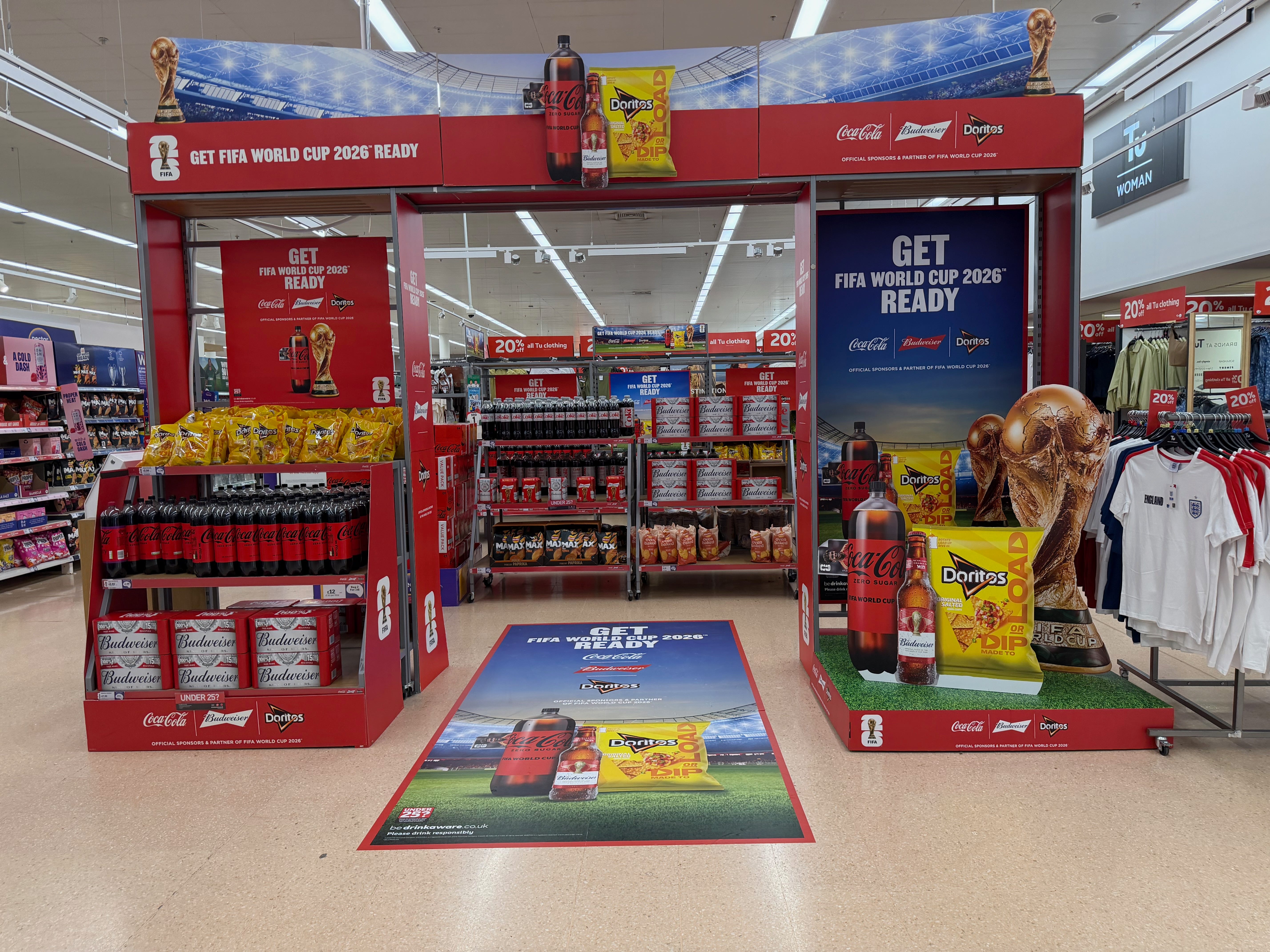
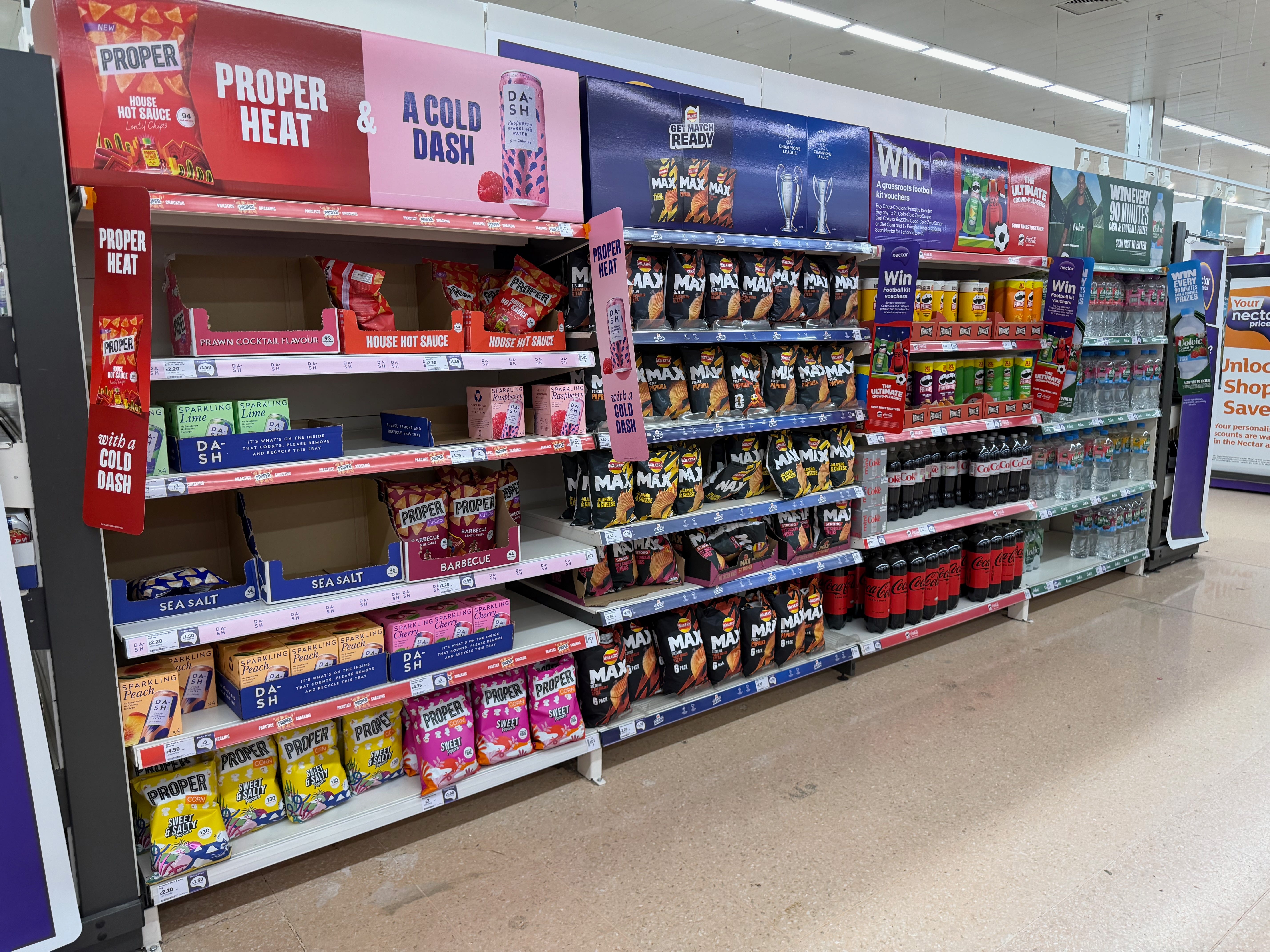
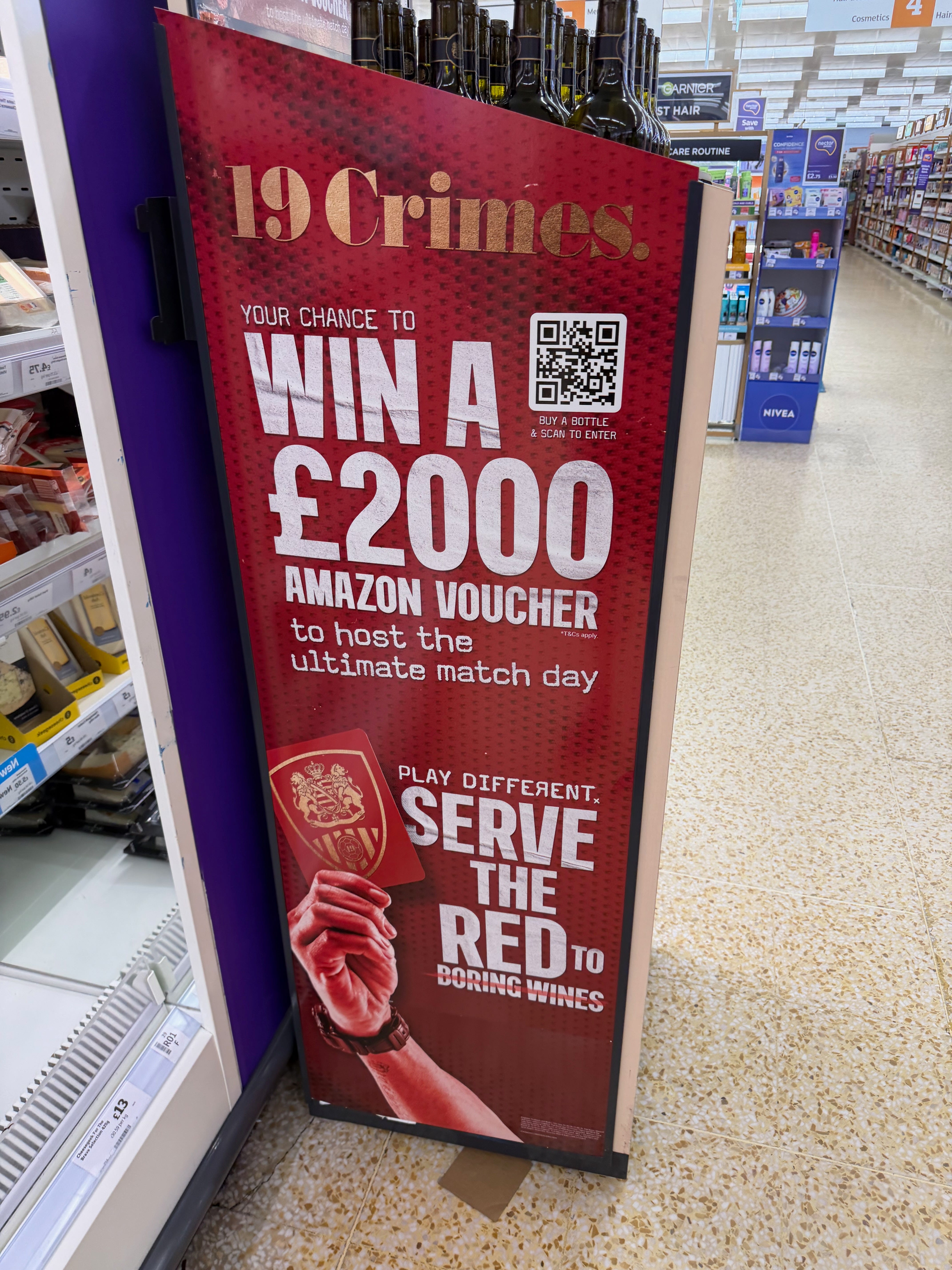
Then when signage isn’t the answer, all that happens is the teams selling retail media are blamed. Unjustly so for me.
The operators, traders and leadership in charge of the organisation are to blame for not having a stop point, for no one saying, “stop the madness,” and no one saying, “what are we doing here?”
Where does it end?
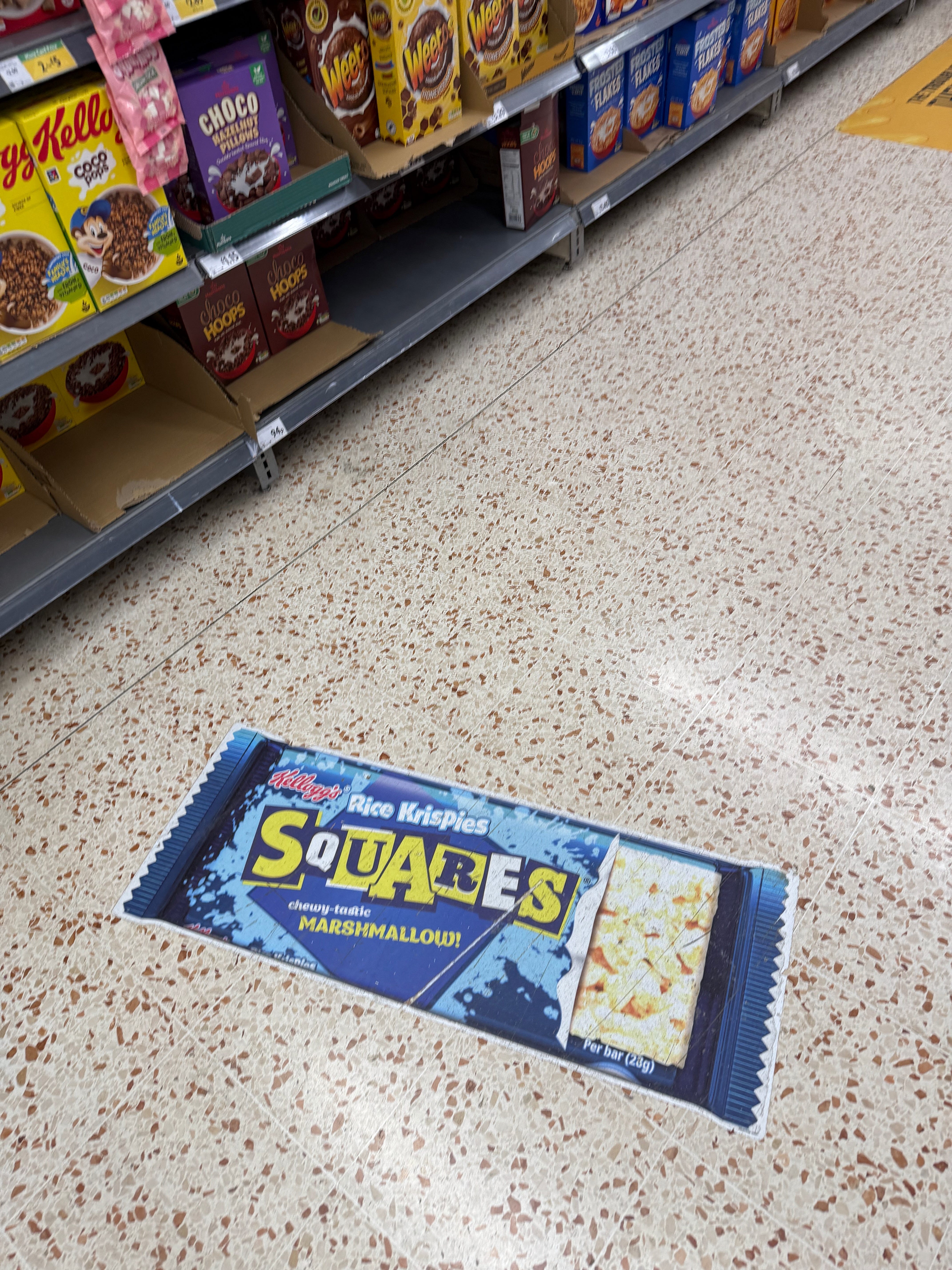
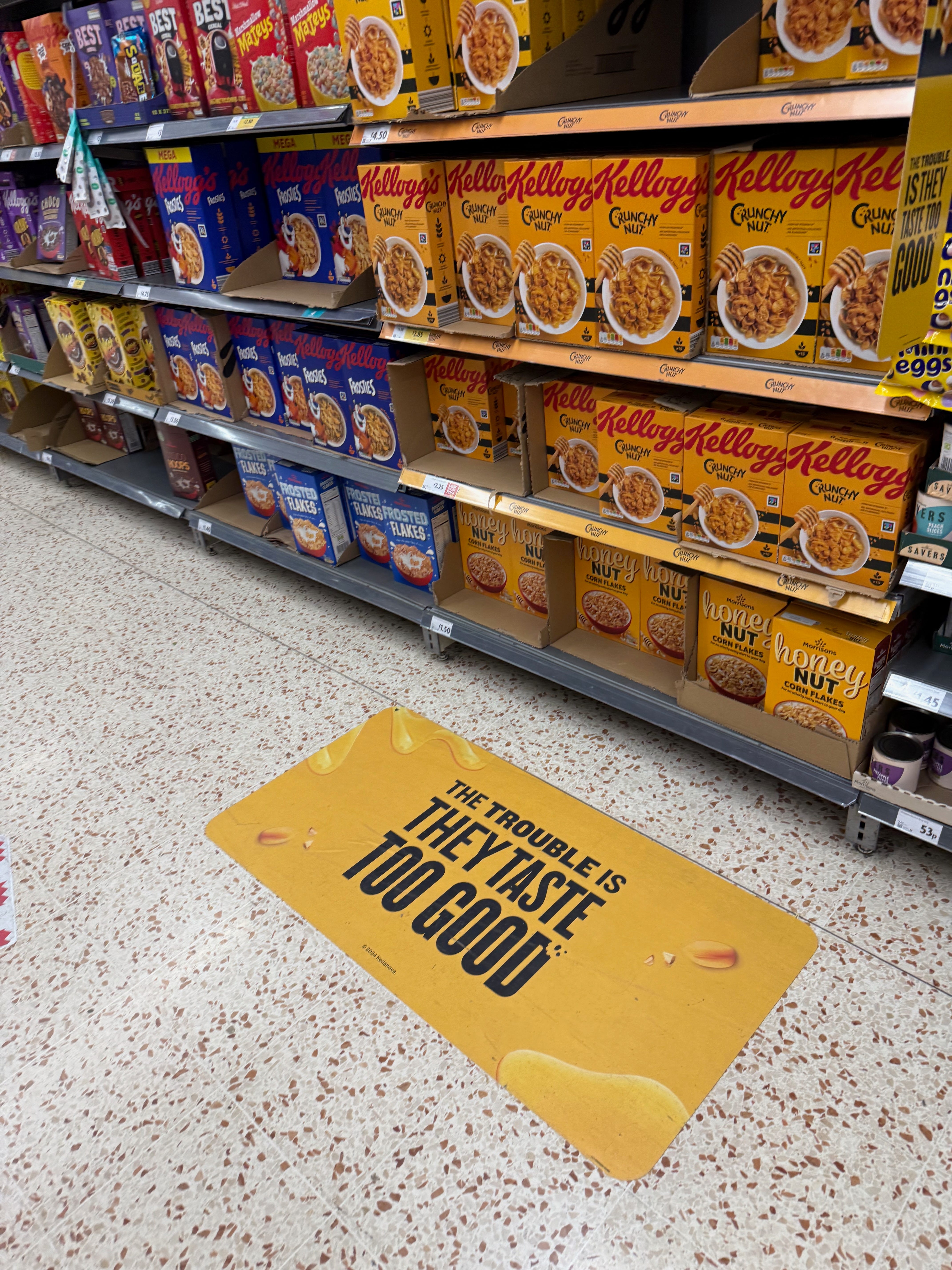
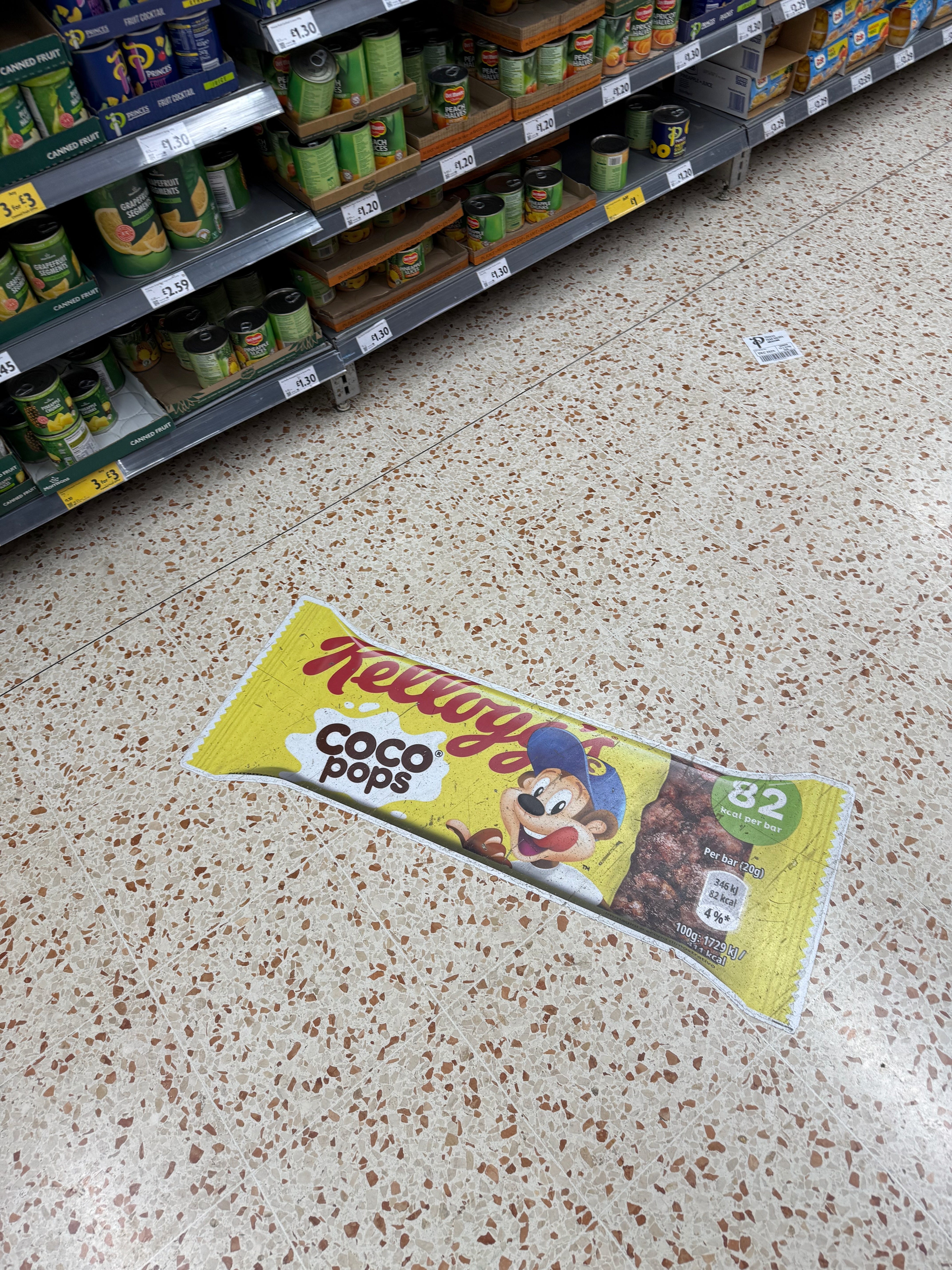
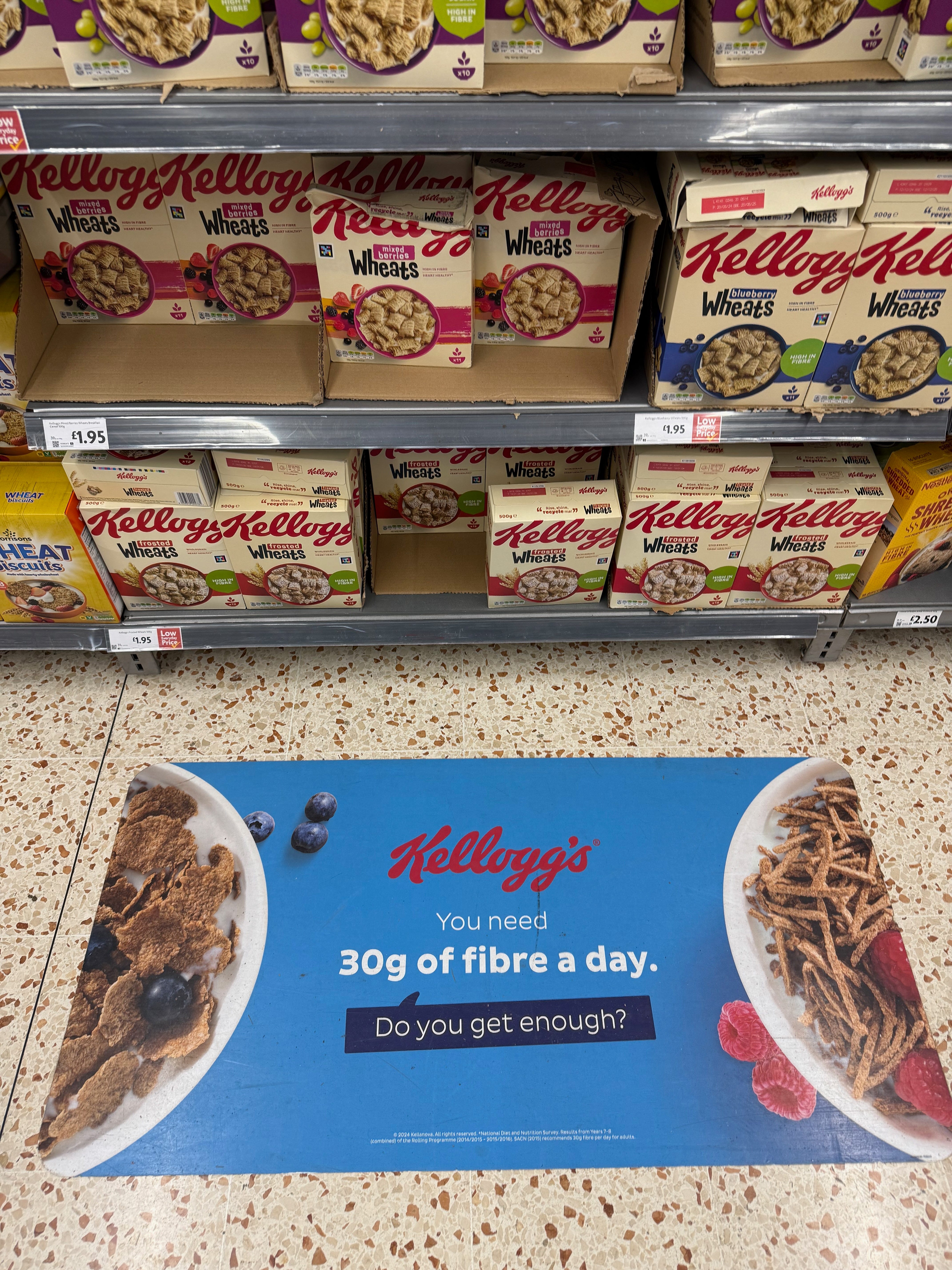
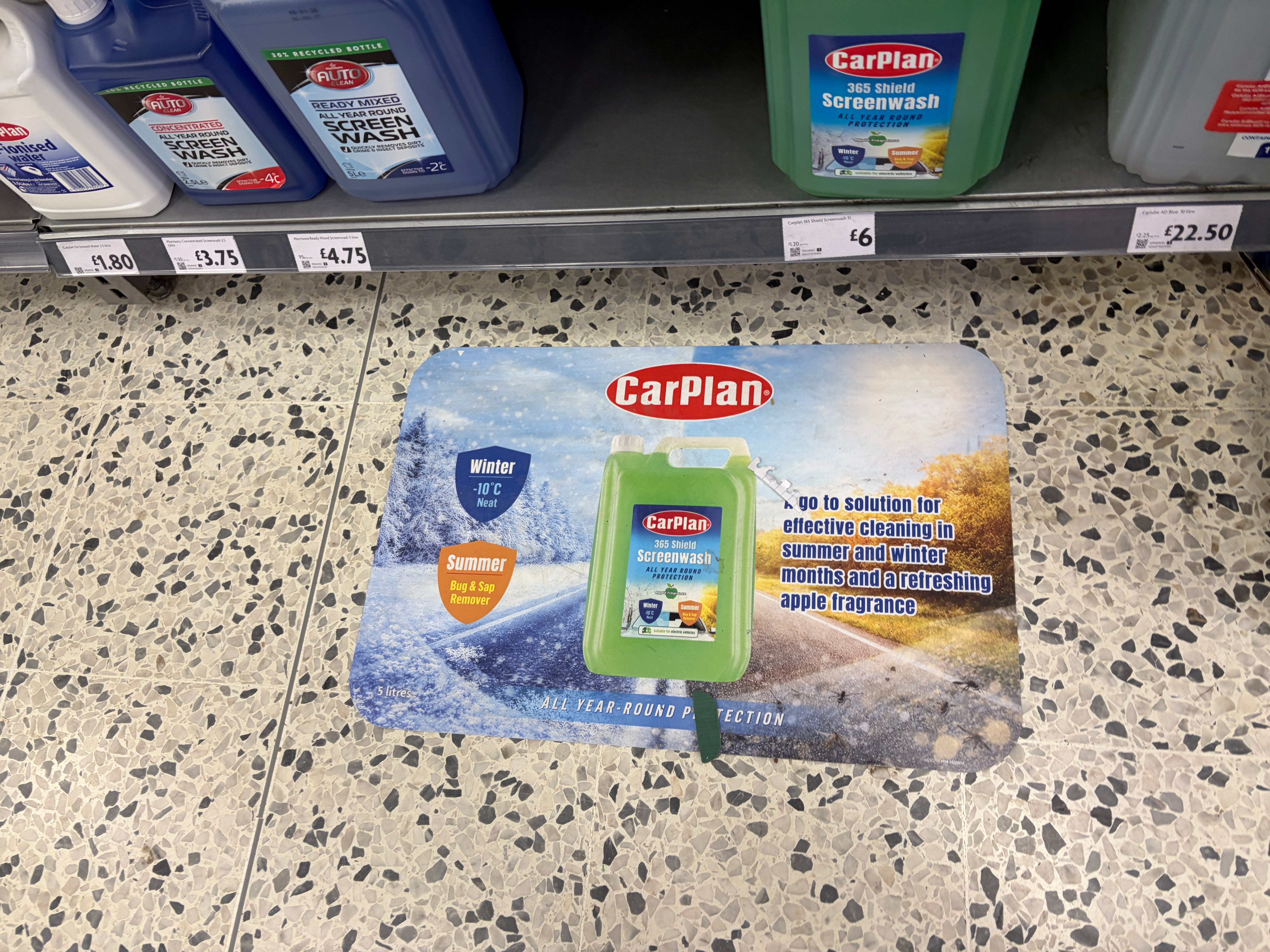
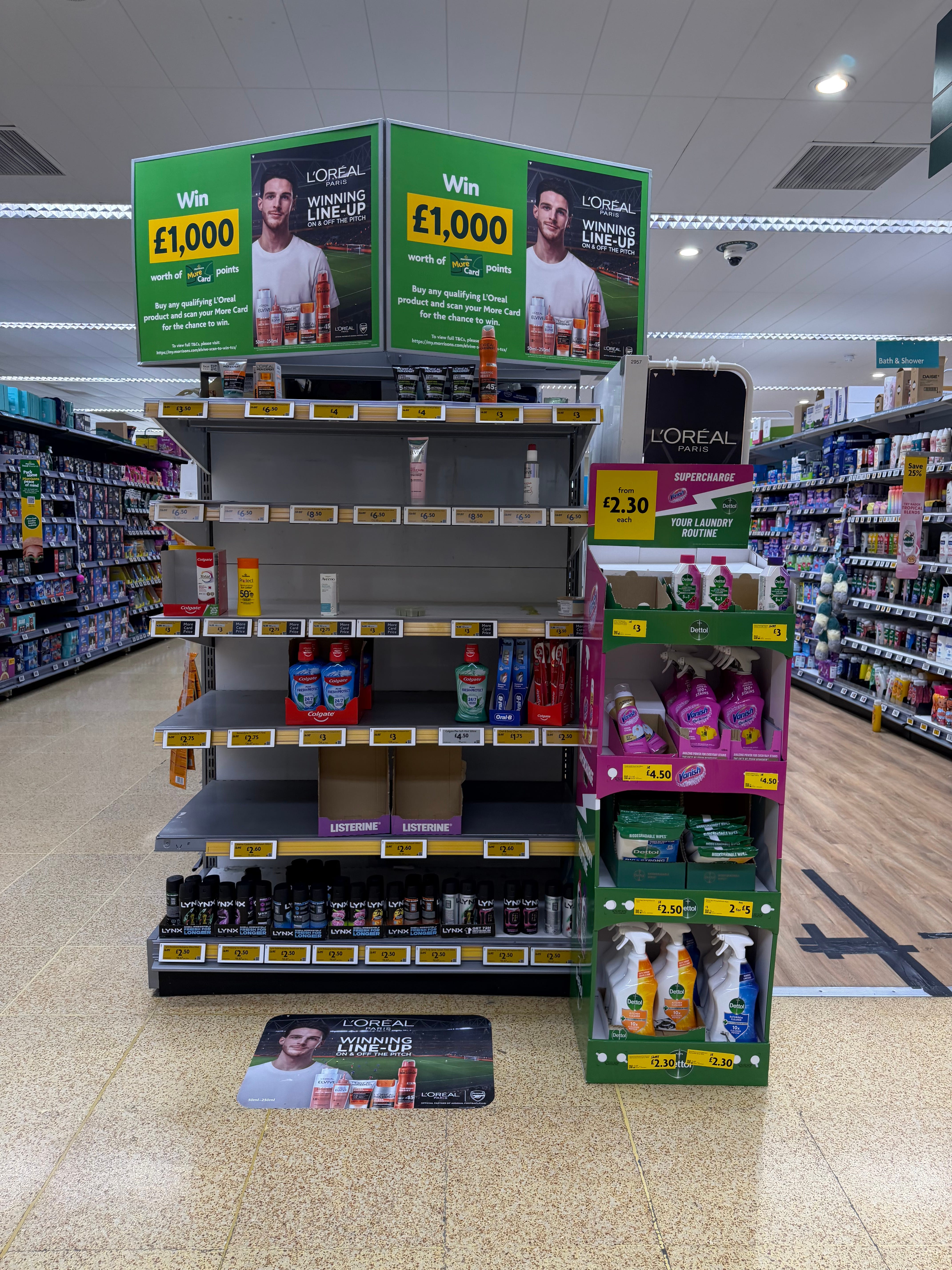
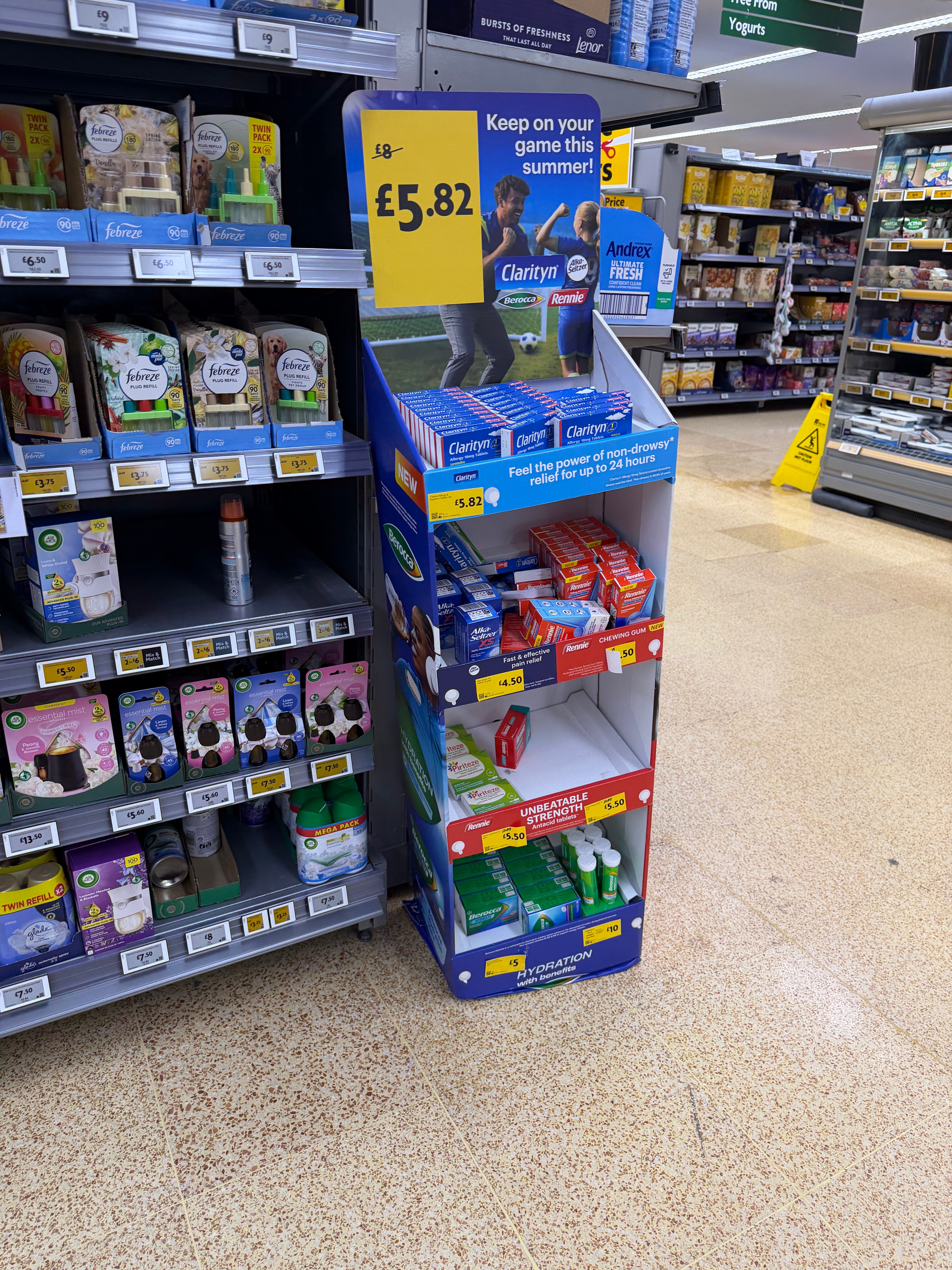
They all walk the stores and see the emergence of more floor stickers, “aisle take overs” and foyer displays, various hanging signs and other pieces of pollution in store.
Customers in listening groups are often quoted by retailers, “customers have told us this, customers have told us that.”
But no customer, to my mind, has ever said: “we want to see more sponsored messaging. We want to see more competitions, please, a chance to win, simply scanning my loyalty card.”
No.
Retail media is beloved by marketeers, but in reality, it’s just commercial income wrapped up in a new name.
Much like The Big Short, the famous film charting the financial crash in 2008.
At the end of the film, it’s pointed out that a “collateralised debt obligation” is coming back in a new wrapper, “a bespoke tranche opportunity” highlighting that the lessons haven’t been learned.
If we think back to 2013-2014; before Dave Lewis came in, Tesco were in a very similar situation as well.
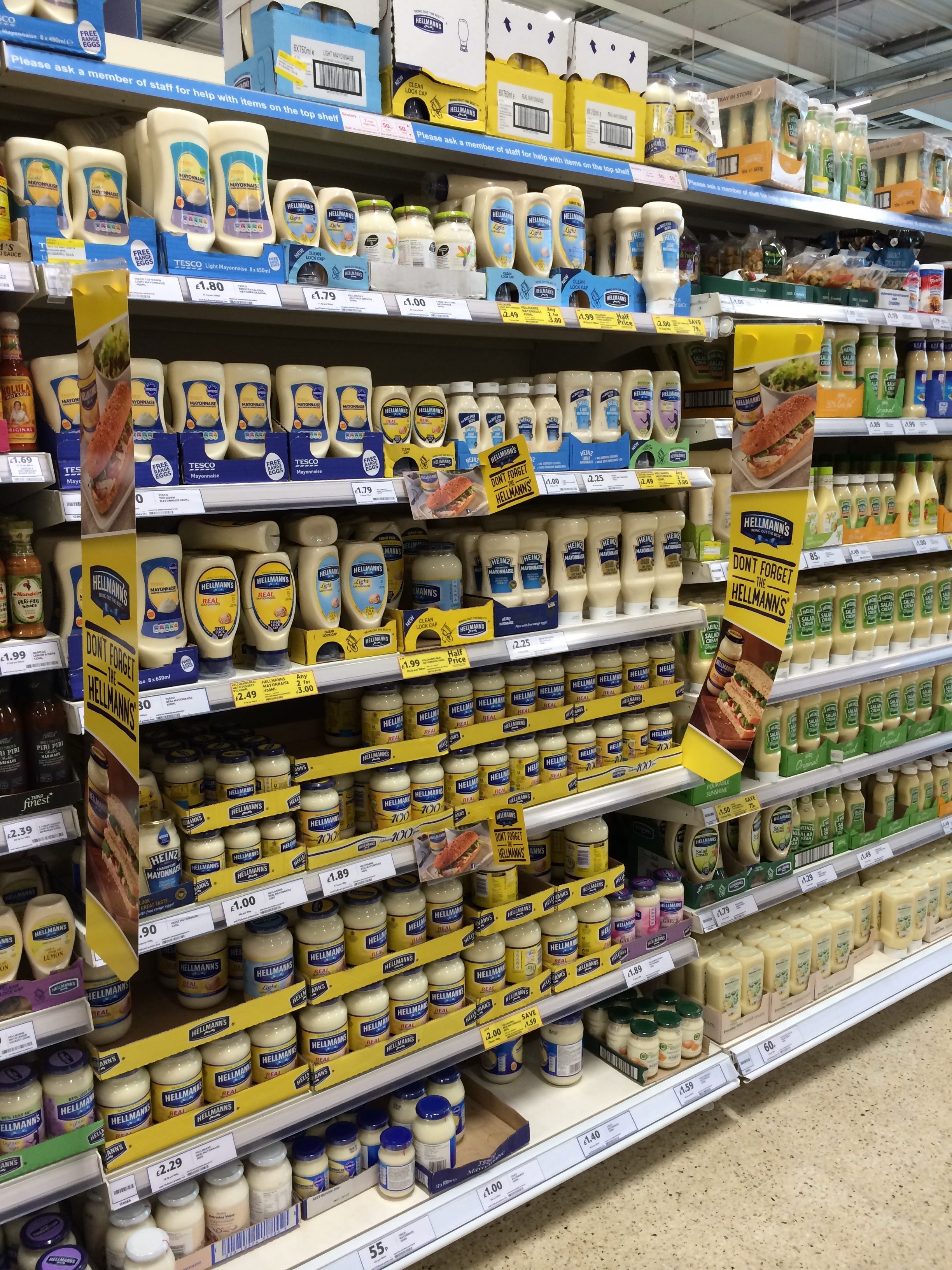
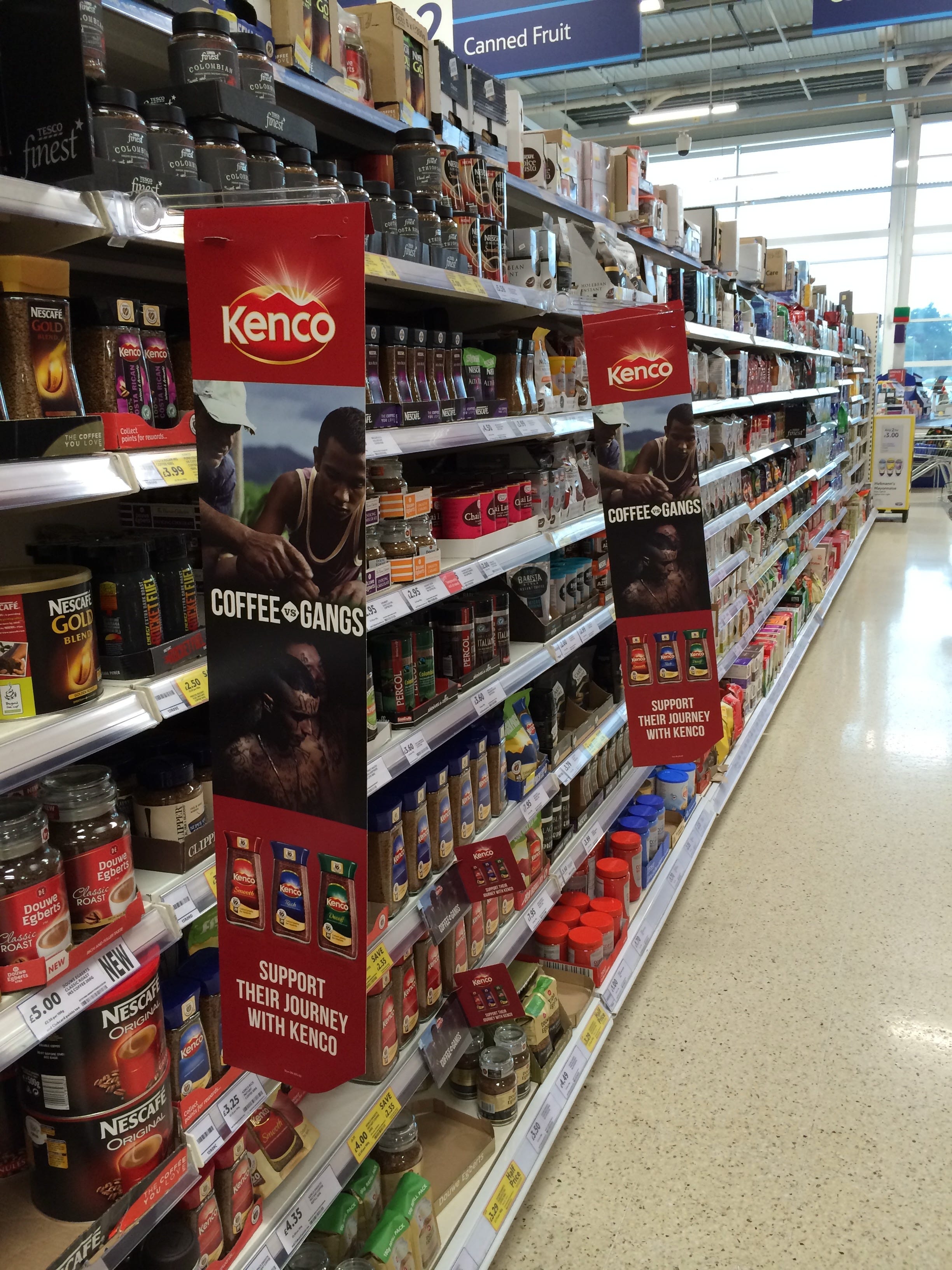
They were selling space off to the highest bidder: branded flags everywhere, archways on the cereal aisle from Kellogg’s, suppliers just spreading their messages in a competing, busy market. Great!
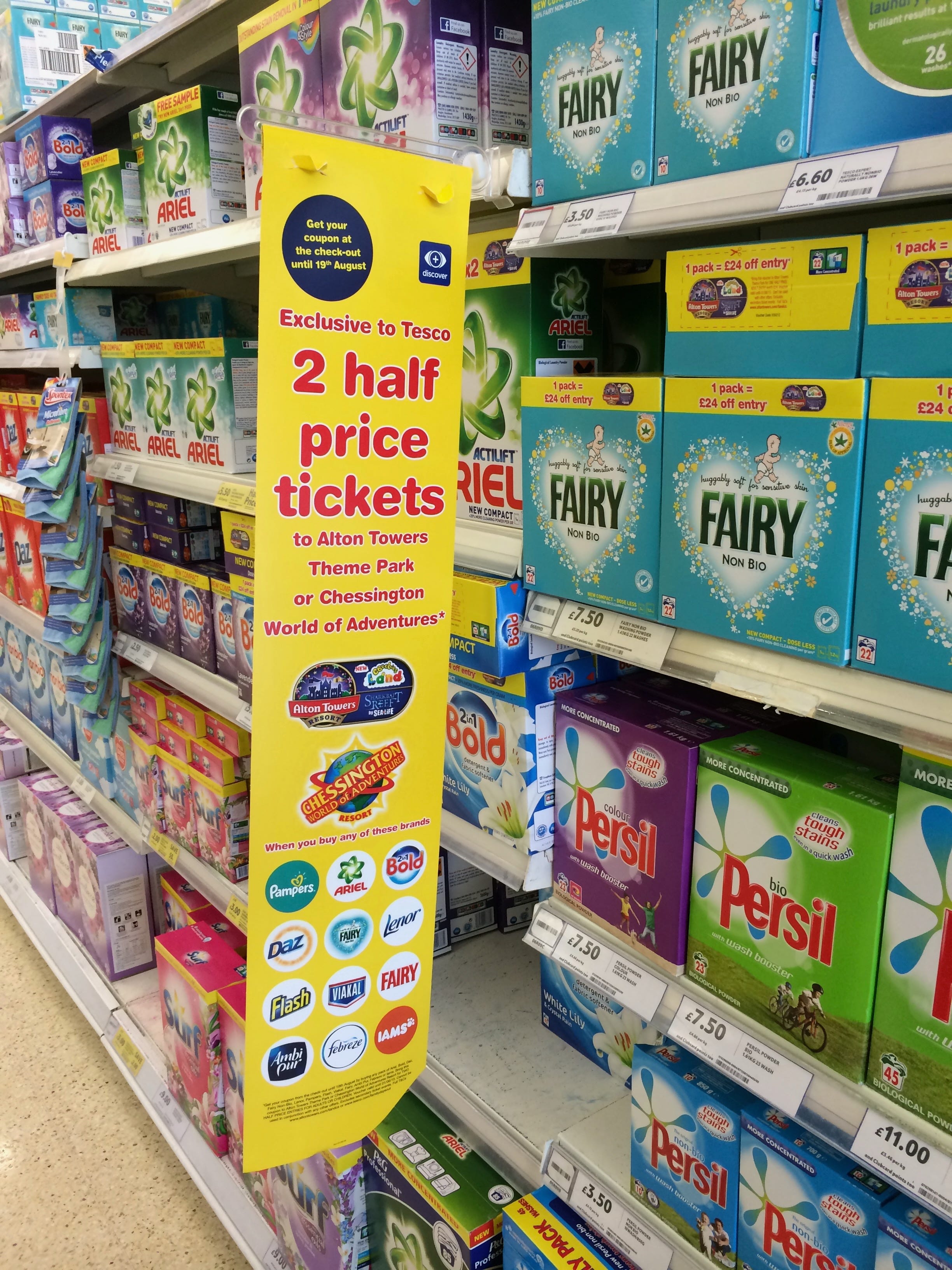
However, the market is very difficult because of the strength of the discounters, again, a future note will look at how the discounters and leading brands are working together.
Commercial income was seen as a major problem for Tesco. 36 different ways to book additional income that was beyond selling product.
Stepping aside from Tesco’s financial reporting issues; it was clear that the business had become overly reliant on these mechanics.
Retail media or commercial income (as it was then) was wrapped up in volume deals: “if we sell this space,” or “if we do this end focusing on Heinz,”
The end may not be relevant to the customer, or it may be a poor offer (Save 20p when buying 3 etc) but “we can put some signage up and everyone loves that” and its easy money almost aiding the quarterly figures.
The challenge, like anything, is that there is a stage this becomes too much.
When a business focuses on retail media or indeed, even starts to allow it in stores, there must be guardrails. But who is responsible and strong enough to say, “we need to take some signage out of this aisle, or are we doing too much of that?”
Often there isn’t anyone doing so. Mainly because the revenues are firstly immediate (much needed in some cases) and secondly, it’s significantly easier to stick signage everywhere versus selling food or trying to develop a new range and build a business around that.
Suppliers will pay a lot for “retail media” and because it’s now wrapped up in loyalty data and digital opportunities, there’s a great deal of excitement around the business and indeed around other retailers too.
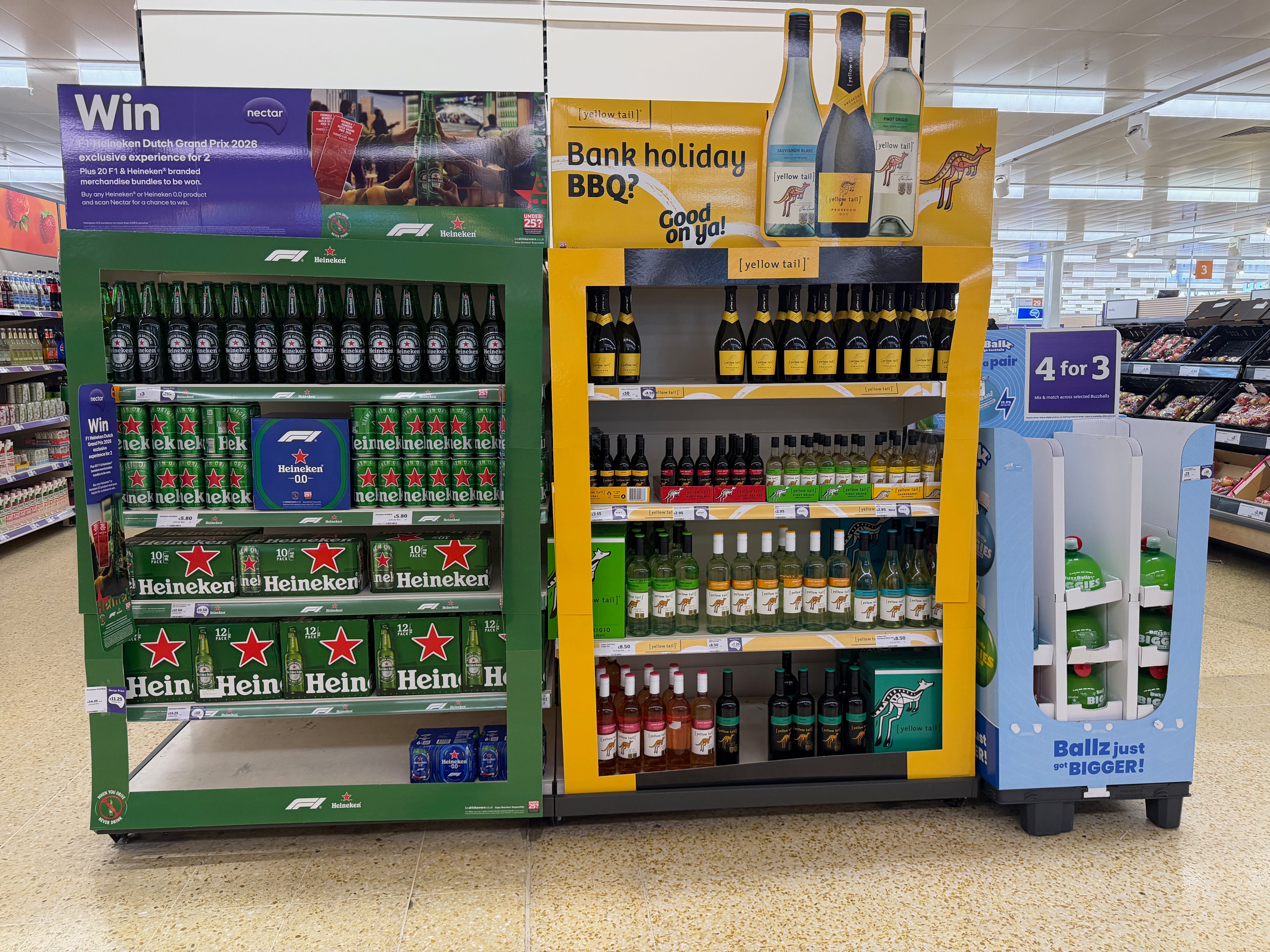
However, I go back to what I’ve always said.
It’s the same with store labour (which is another note in time)
Take retail media and take Allan Leighton coming into Asda. Rather than keeping all the branded signage because the business needed the money, he turned it off — and went back to Asda Price and Rollbacks.
The business had stopped telling customers anything about Asda; it was just selling space to the highest bidder and wrapping it in “Retail Media.”
Tesco was the same. Without Dave Lewis turning the taps off on commercial income, they’d never have got the volume growth and the recovery they eventually did, because they were forced back onto trading.
I maintain Dave Lewis’ turnaround of Tesco isn’t talked about enough, probably one of the greatest turnarounds ever seen. Not quite Sam Walton’s build of Walmart, but it’s a similar story. Again, one for a future note.
Getting Asda off that drug of “easy money” forces the traders into a new world: sit down with the brands and suppliers, write the joint business plans, build a strategy for the customer and grow the category.
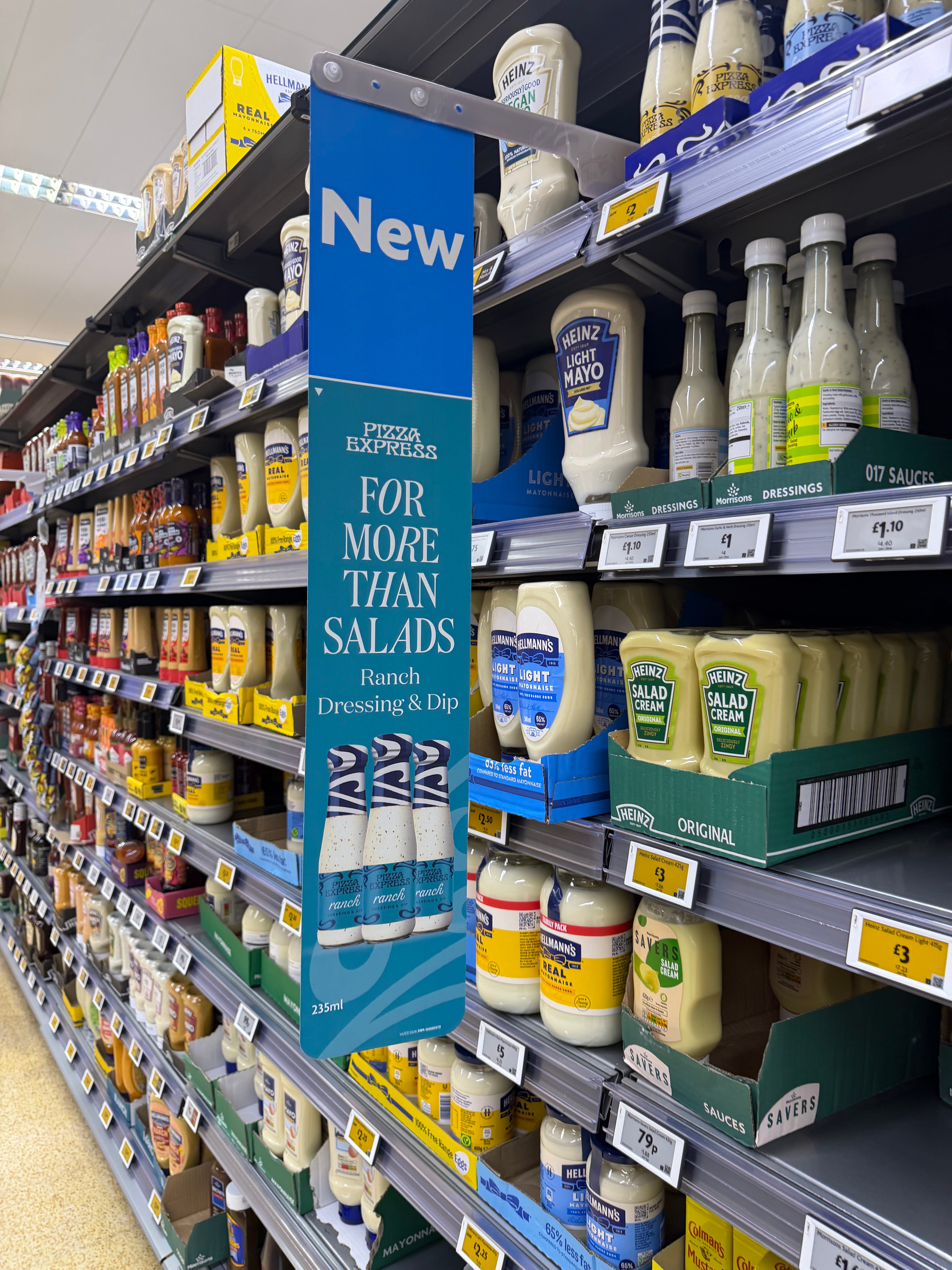
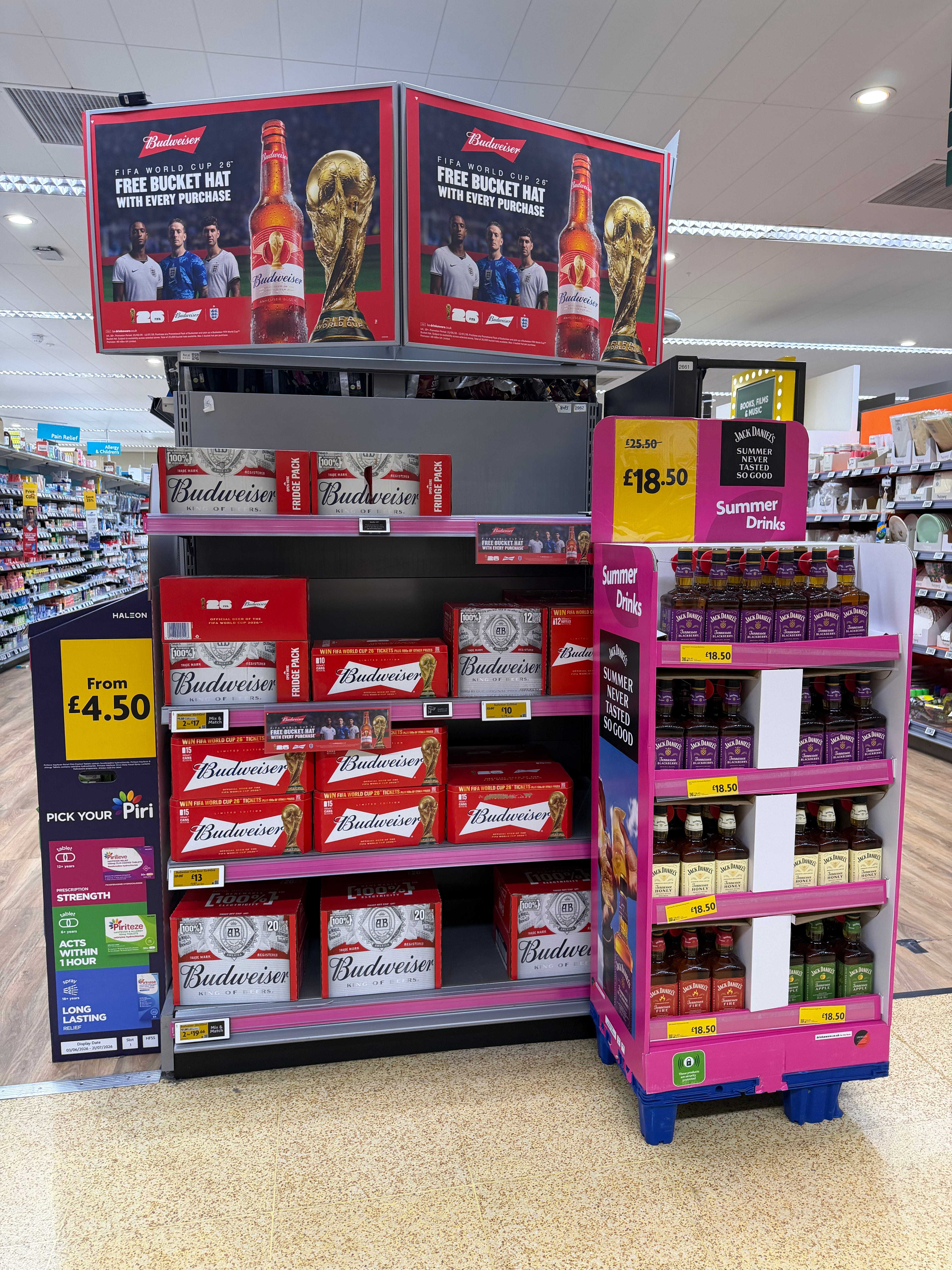
Yes, with Aldi and Lidl at the door and everything else that entails, it’s harder than it was but the job is to grow the category, and hopefully wider growth and recovery follows.
Retail media advertising has a part to play. But it just cannot be the be-all and end-all.
My biggest concern with retail media is that because the money is always needed, the gap gets bigger quarter on quarter. Unacceptable becomes acceptable.
It’s my biggest issue with the “high value” tagging in stores; those folks in shrink never stop. High value is £15 one week; IE we tag all items that are £15 or more. Then the quarter after, under pressure on shrink, rather than deep dive and work out the internal controls that contribute.
They take an easy option, let’s tag anything over £10. Remove from sale anything over £15 and put it behind checkouts. Customer experience is worsened but the shrink team never have to answer for their crimes.
See also, the store labour and productivity team. Calling the hours cutters “productivity” is a joke in itself. But that’s for another note. It’s all short term, unfocused hopelessness.
Anyway(!)
The conversation for retail media teams and traders - “Right, let’s put a few more floor stickers down.” We’ve got the end of the quarter coming up.
You can almost do what you like in the aisle!
But once the space is sold, it’s sold you’ve run out of floor to sticker and for the next quarter, next year, then you must annualise those figures.
Then what?
Assume for a minute Tesco announced they’d gone ultra-competitive on price and started a bit of a price war versus Asda.
If you’re Morrisons, you sit down with the suppliers: “Right, Heinz, we need some price action, we want some help, because we’re 10% more expensive than those two.”
Heinz (e.g.) knowing they’ve got the retailer over a barrel on the retail media money say “well, we’ll have to channel it out of retail media and give it to you in price, because we can’t do both.”
The retailer (Morrisons e.g.) already addicted to that income, can’t afford to say yes to that.
So, the retailer makes itself less competitive through its own actions.
That, for me, is why retail media is fundamentally a bad idea, it changes the focus, the business goes from taking some risks and innovating to safety first, number focused retailing. Customer at the bottom of the pile.
I go back to the main thrust of my argument: who is in charge?
Who says, “enough is enough, we need to row back”?
Until someone shows me there’s a failsafe in the retail media overload, I am against it.
I don’t care how good the loyalty data is, how effective people think the signage is, eyeball trackers and the rest.
The ability of retail media to infect the trading floor, the trading strategy and then the wider business to make a retailer less competitive by chasing short-term money, is proven.
It’s been proven time and again.
So back to Morrisons.
They’re in this space already.
Signage is on the rise around the store, and the business is being run for the short term.
It’s very hard to see how they get off the retail media drug the way Asda have.
But off it they must come, to be competitive and being competitive is harder for them, with market share down and like-for-likes barely positive.
They’re negative in reality, once you allow for inflation.
So how does the Morrisons hope to recover?
Their focus on EBITDA won’t get them there. There are many issues with it, it assumes Capex is free, or somehow unnecessary = that retail isn’t a Capex business.
Which we know is untrue: it is! You must spend on the estate, and not just refits but store maintenance, car parks and the rest.
As Warren Buffett put it: “References to EBITDA make us shudder; does management think the tooth fairy pays for capital expenditures?”
Look at the retailers performing well or performing at all. They’re investing in store refits and improving the store environment.
Store environment, or atmosphere is a difficult thing to get across, or explain, even with images.
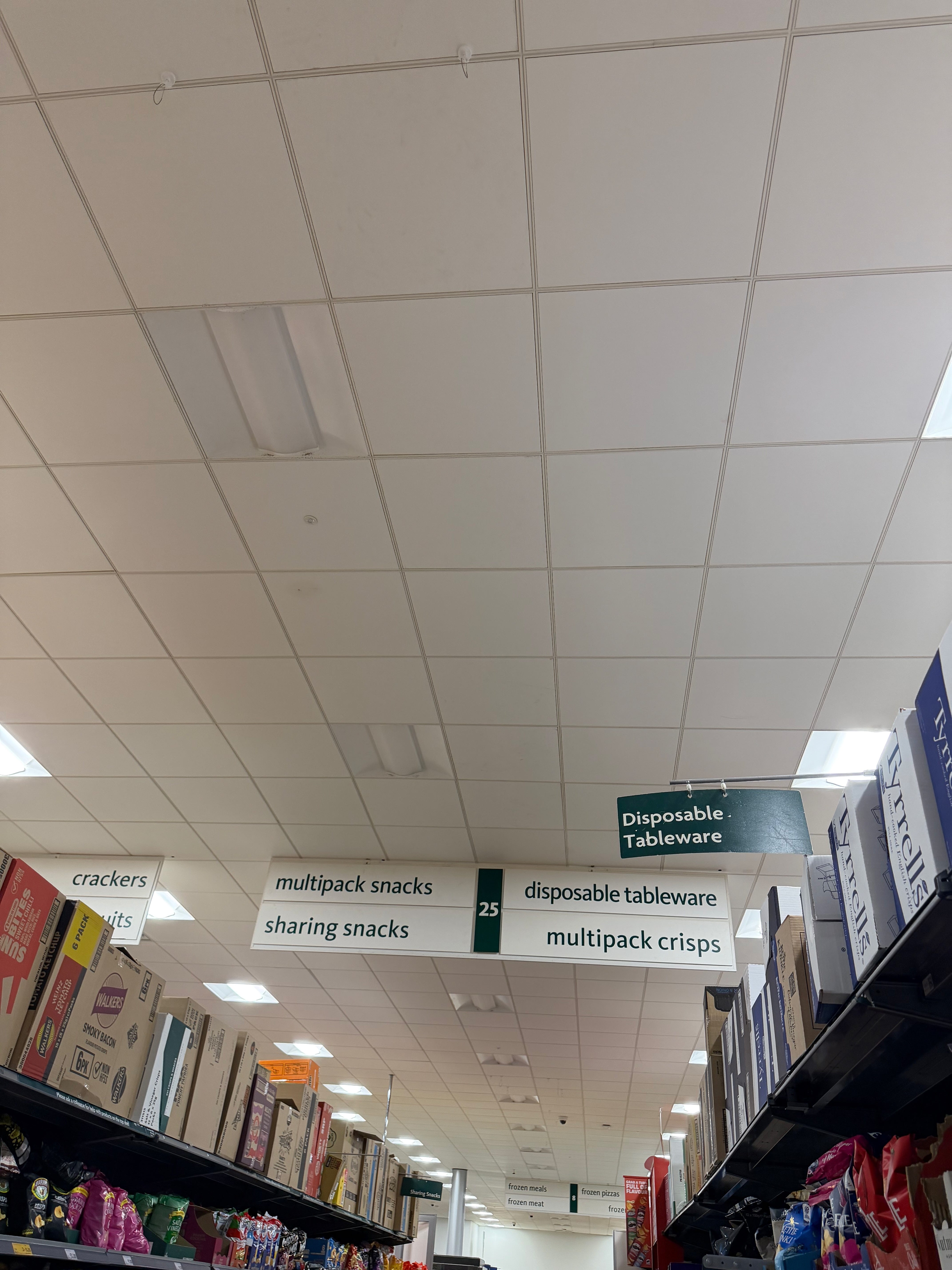
It’s so hard to encapsulate what it means, but anyone who’s visited a busy store will know, people are happy being there, serving customers, the shop is in a good state and people are working purposefully.

When stores reopen post refit; they have a good atmosphere too, a halo, if you will. Pride in that their store is the best version of itself, that the company has spent a few million on their location.
Colleagues and management get a spring in their step, and customers respond to the new environment and, hopefully, spend more in the process because the store is well maintained and product is available.
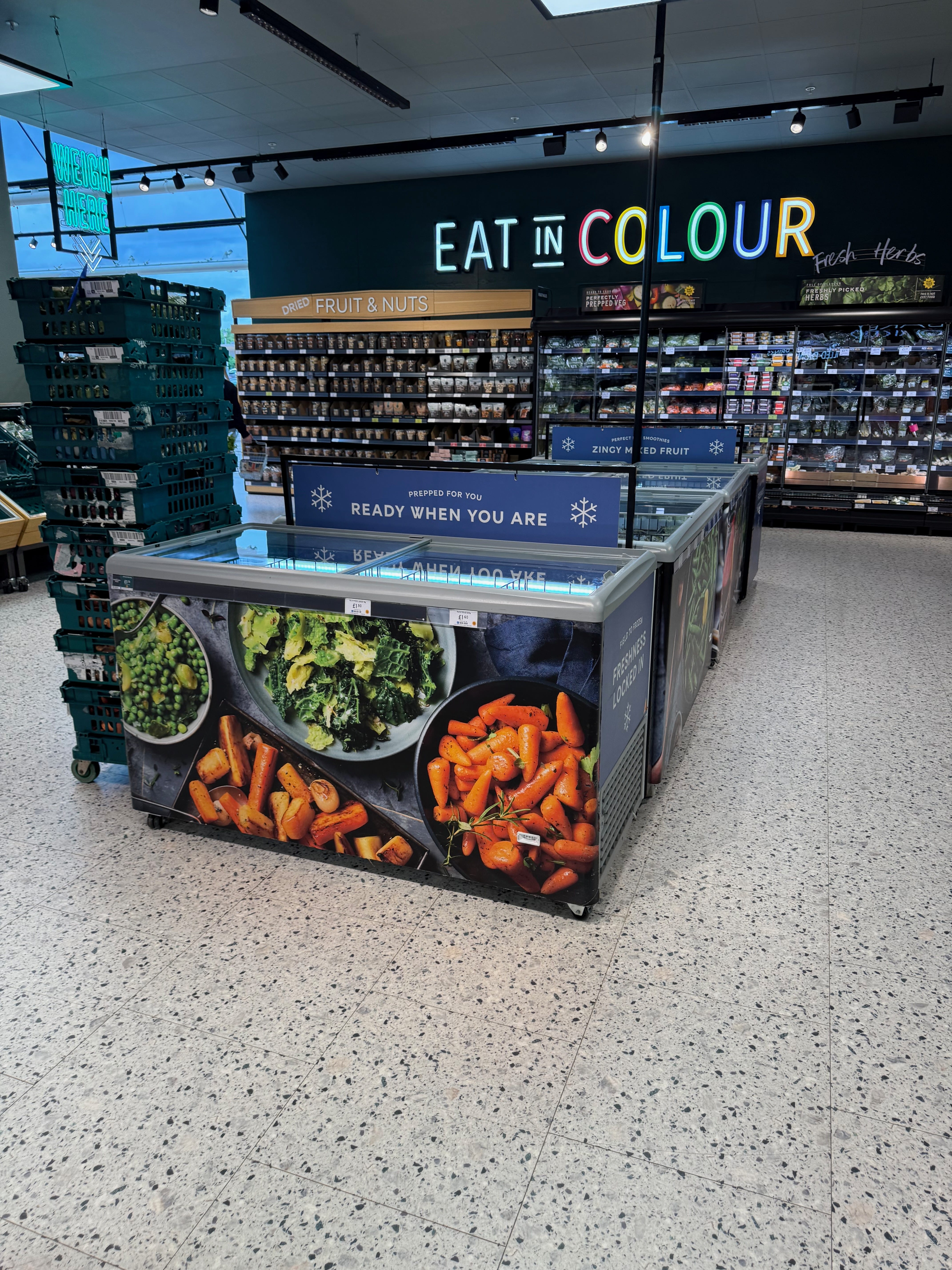
M&S are a great example of a business that’s reshaped its entire image around new store environments, taking inspiration from the likes of Australia and the USA.
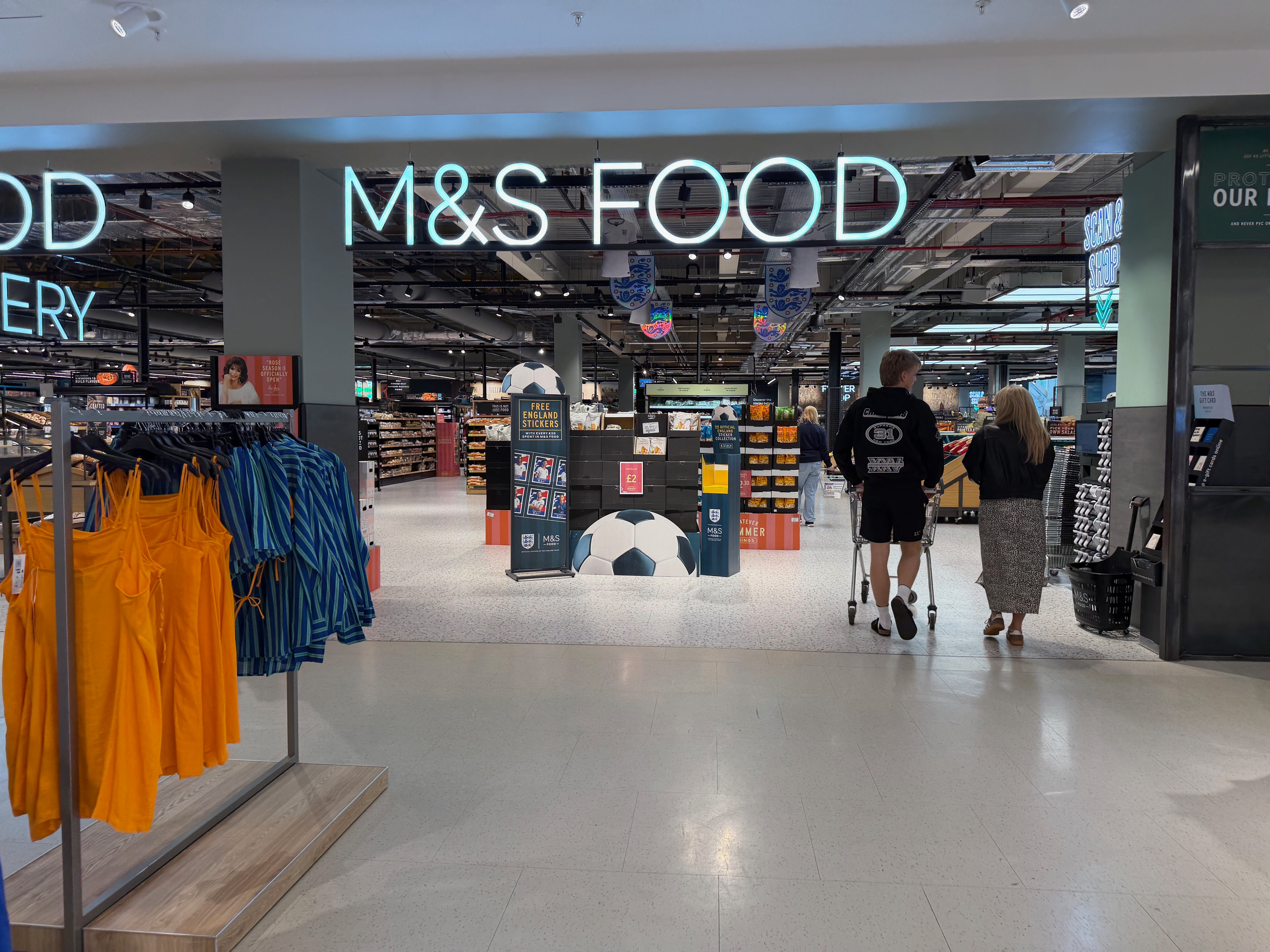
Few would argue M&S against the fact that they run some of the best stores in the market.
Go to America and Walmart are spending billions of dollars on store refits and by extension - the environment and atmosphere. Target also; because they recognise a well-maintained, modern store is a better place for customers and associates alike.
It drives sales.
Morrisons down the years would have outspent their competitors on store environment; Market Street, maintenance and equipment. Stores were clean, bright and welcoming and car parks were well maintained
Walk the stores today and the opposite is true.
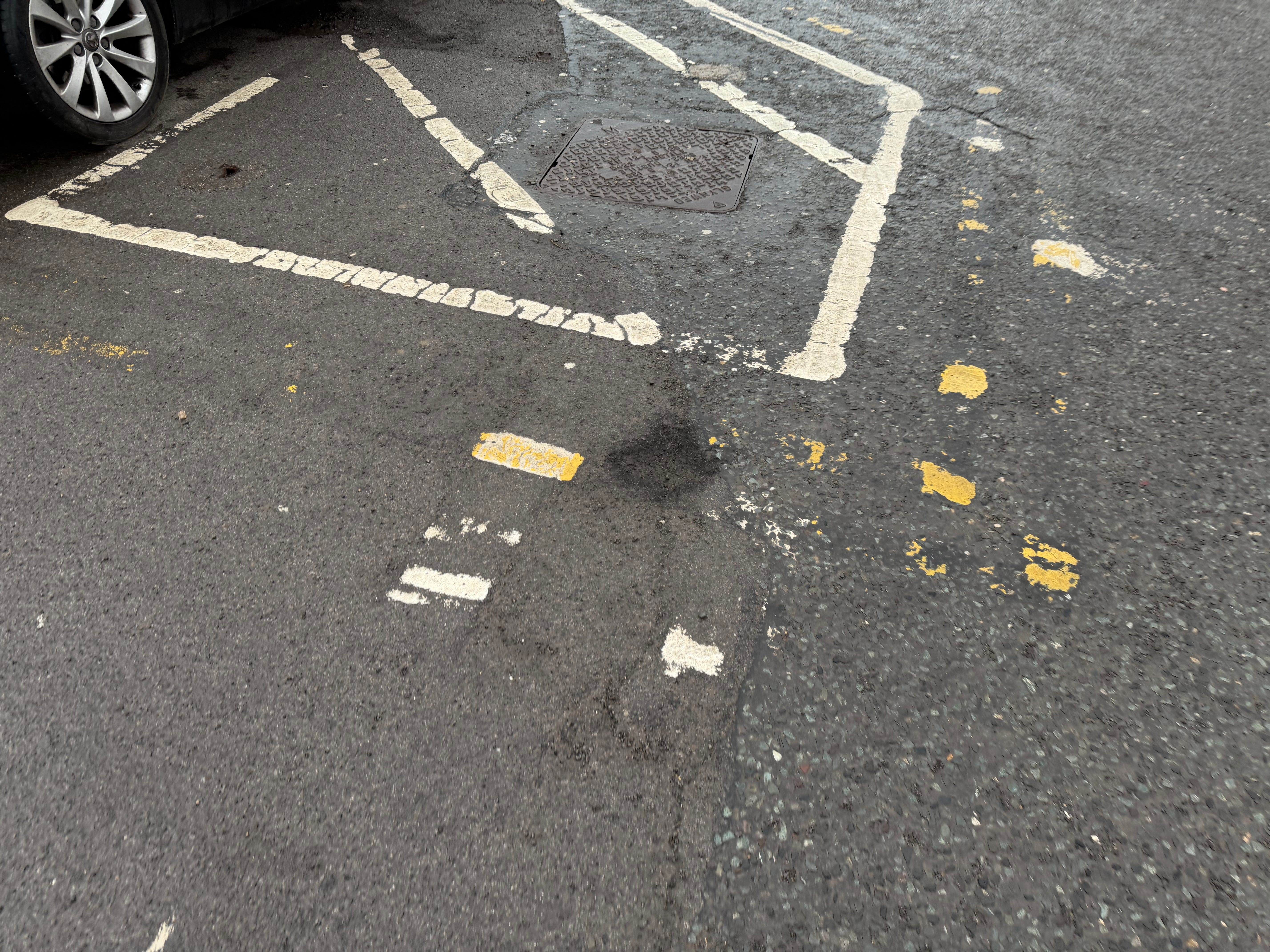
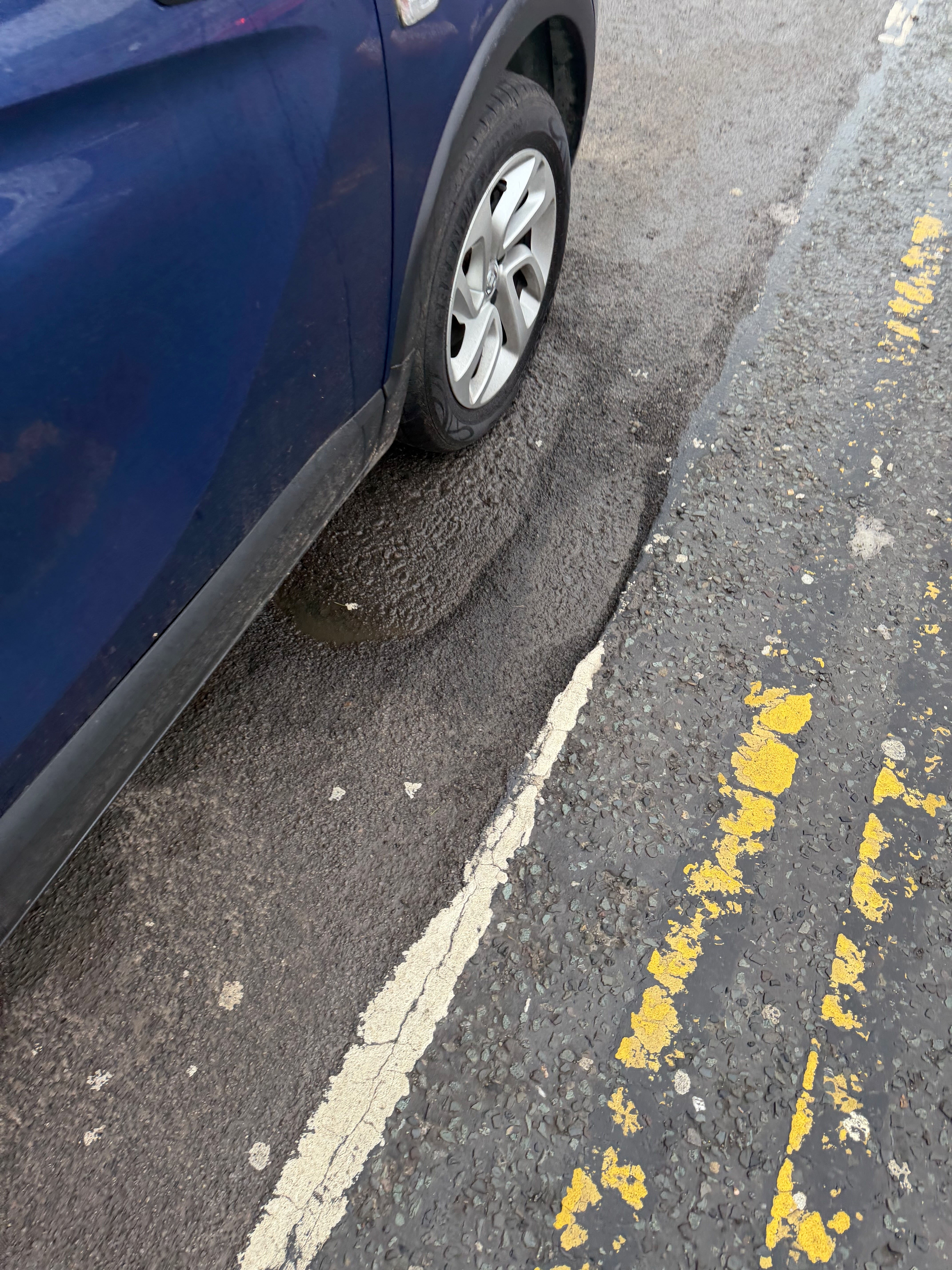
Car parks with more potholes than tarmac and stores that slowly but surely, are starting to crumble.
My own visits have found chillers with signs saying, “to be repaired in two months’ time.”
Refrigeration breakdowns stepping aside from the current heat are commonplace even in winter and the whole store, wherever you go, generally looks run down.
Another red flag at Morrisons is the level of clearance stock.
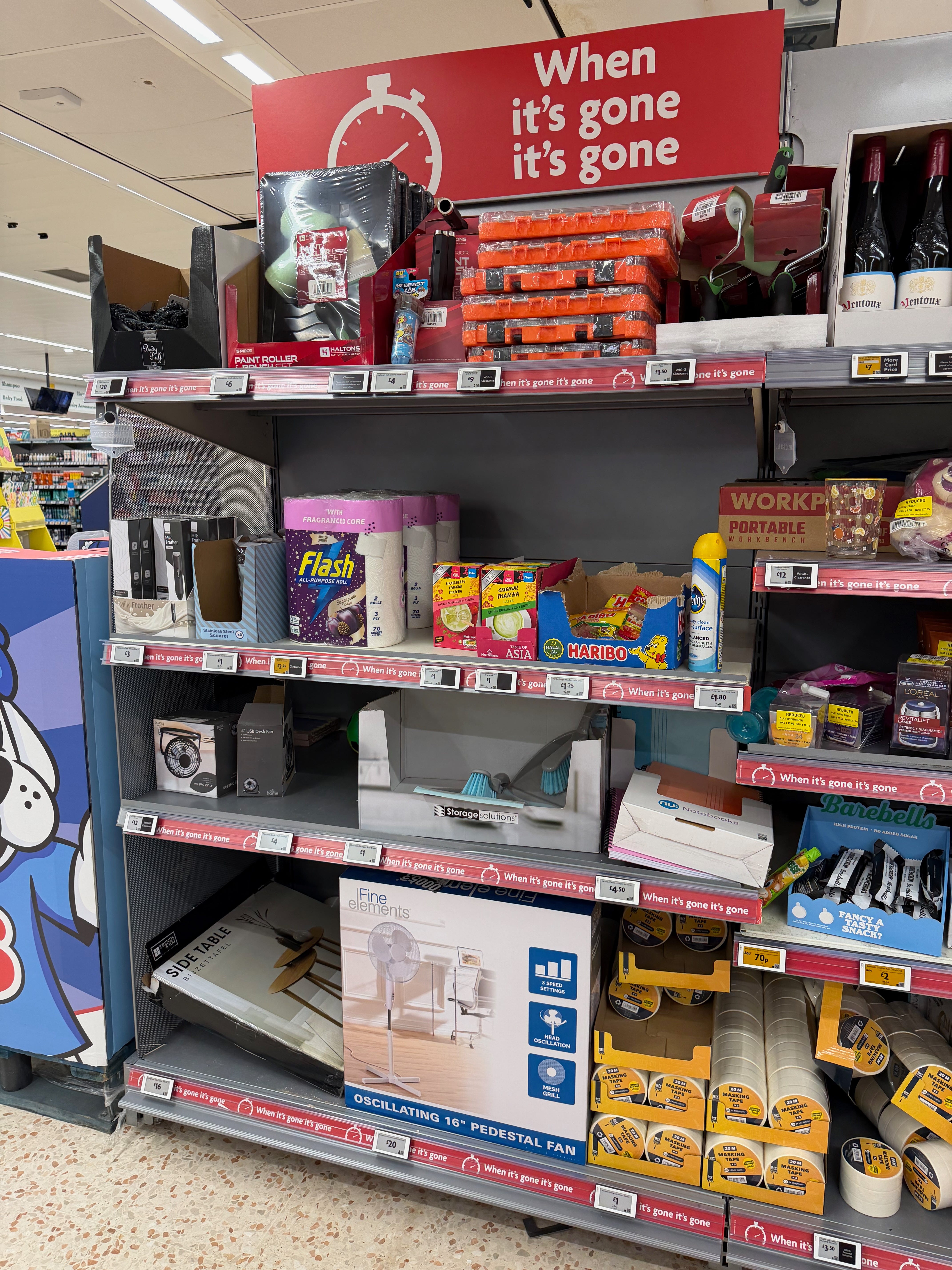
We’ll look more at Morrisons in the coming weeks, but there are several flags here to someone who’s walked stores for over 20 years.
Clearance bays (Ambient specifically) are a great way to judge how a store is run.
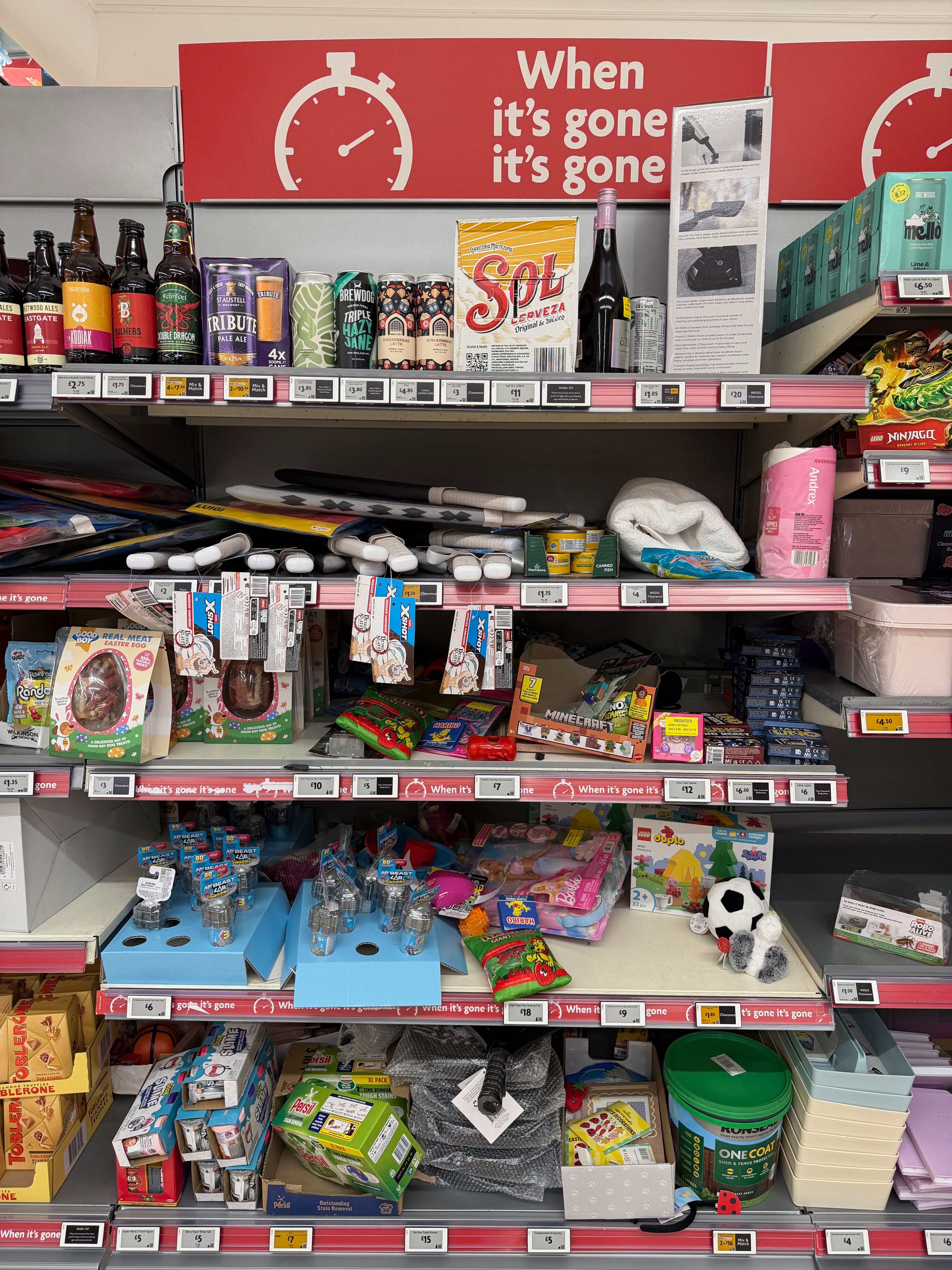
It’s where the sins are hidden particularly in grocery, where markdown can be slow and sales even slower.
The move to electronic shelf labels will mean the buyers have to take the margin — which the buyers never like doing and can often “hide in the weeds” and blame the store for not changing the labels when they do apply the markdown.
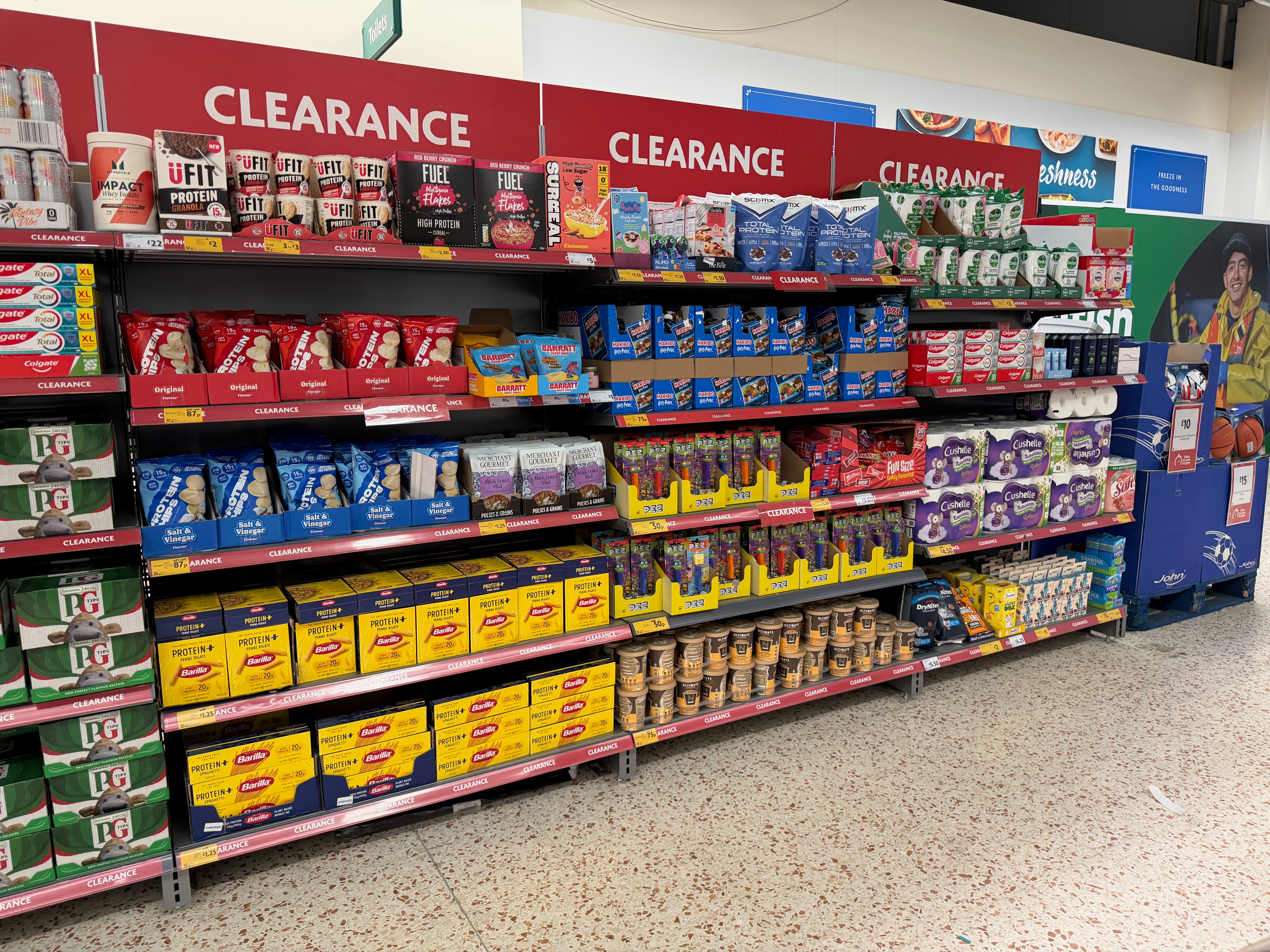
But in Morrisons - they look to be preserving margin by pushing almost all discontinued and other random stock into clearance areas that are steadily growing across the store.
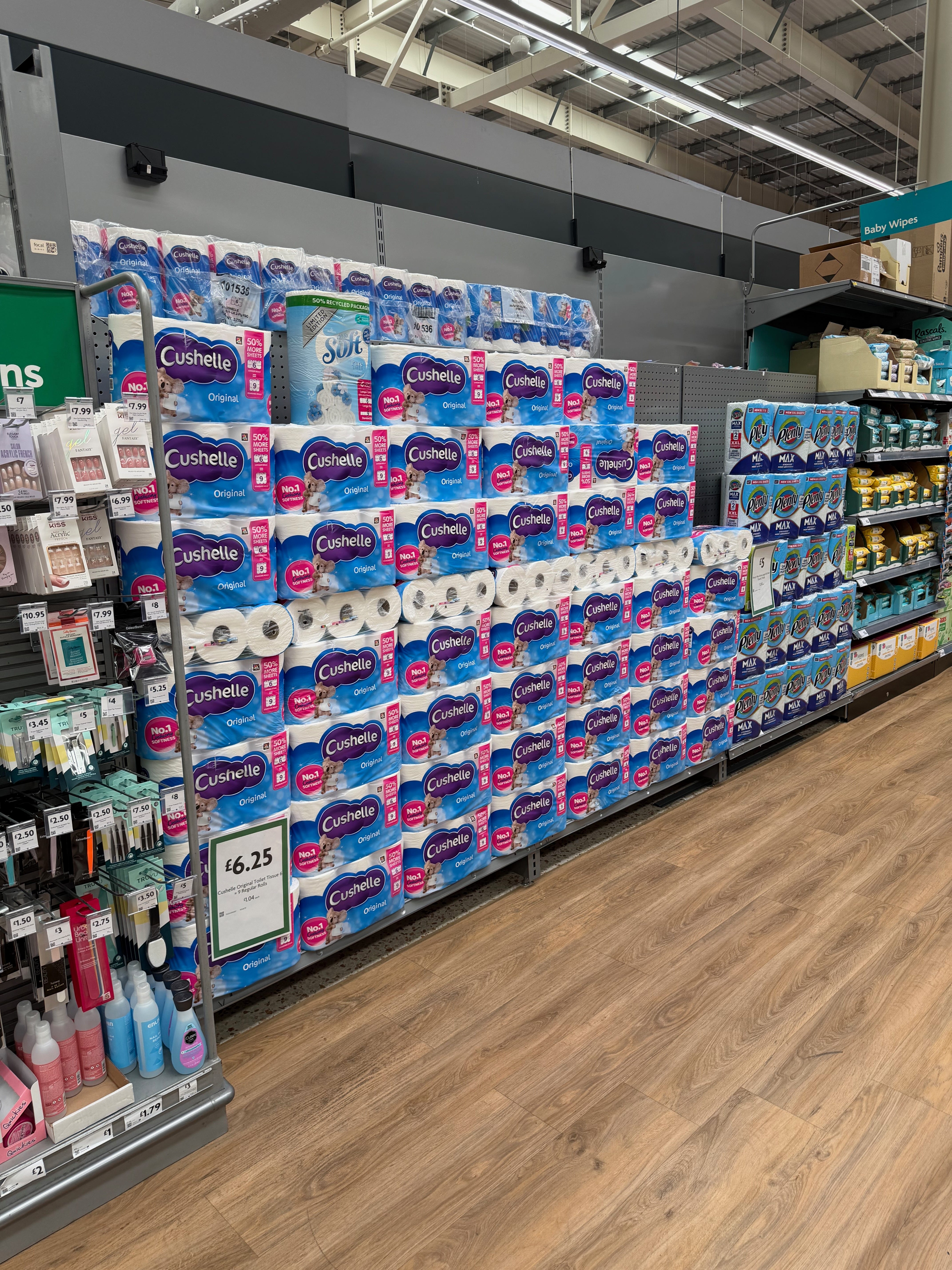
You can sense it walking the store and I could sense it last year; the clearance areas are full and only getting fuller.
Some stores have dedicated areas with more bays added each time, a long way from the days of a single bay when space was at a premium. Those days look almost old fashioned now — the mark of a business preserving margin and focusing on EBITDA, one that won’t take clearance action, or aggressive clearance action, to clear stock through.
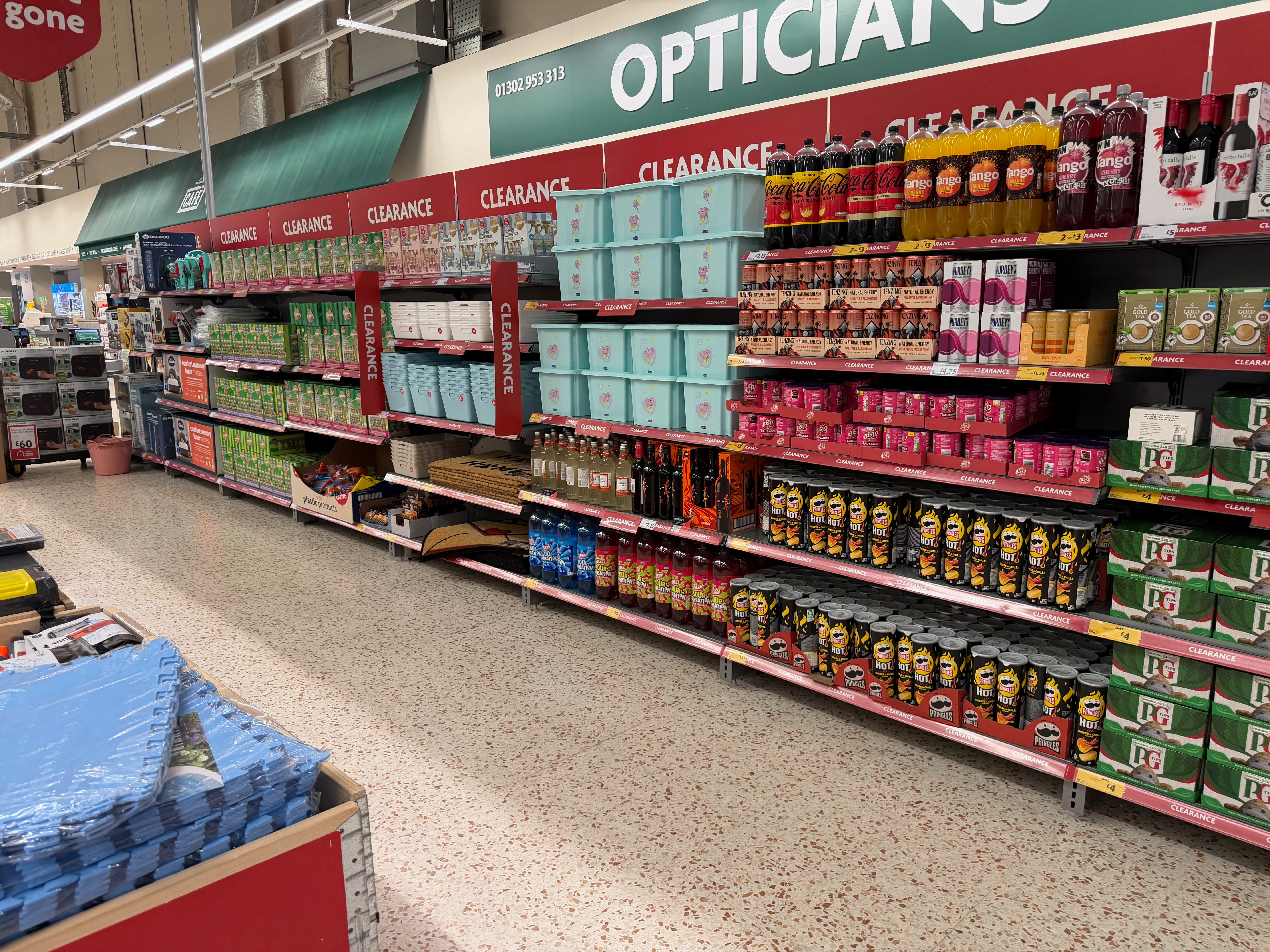
That’s in stark contrast to Asda, who are embarking on a clearance and SKU rationalisation programme, knowing they have to reset the planograms to support their new volume-focused plans.

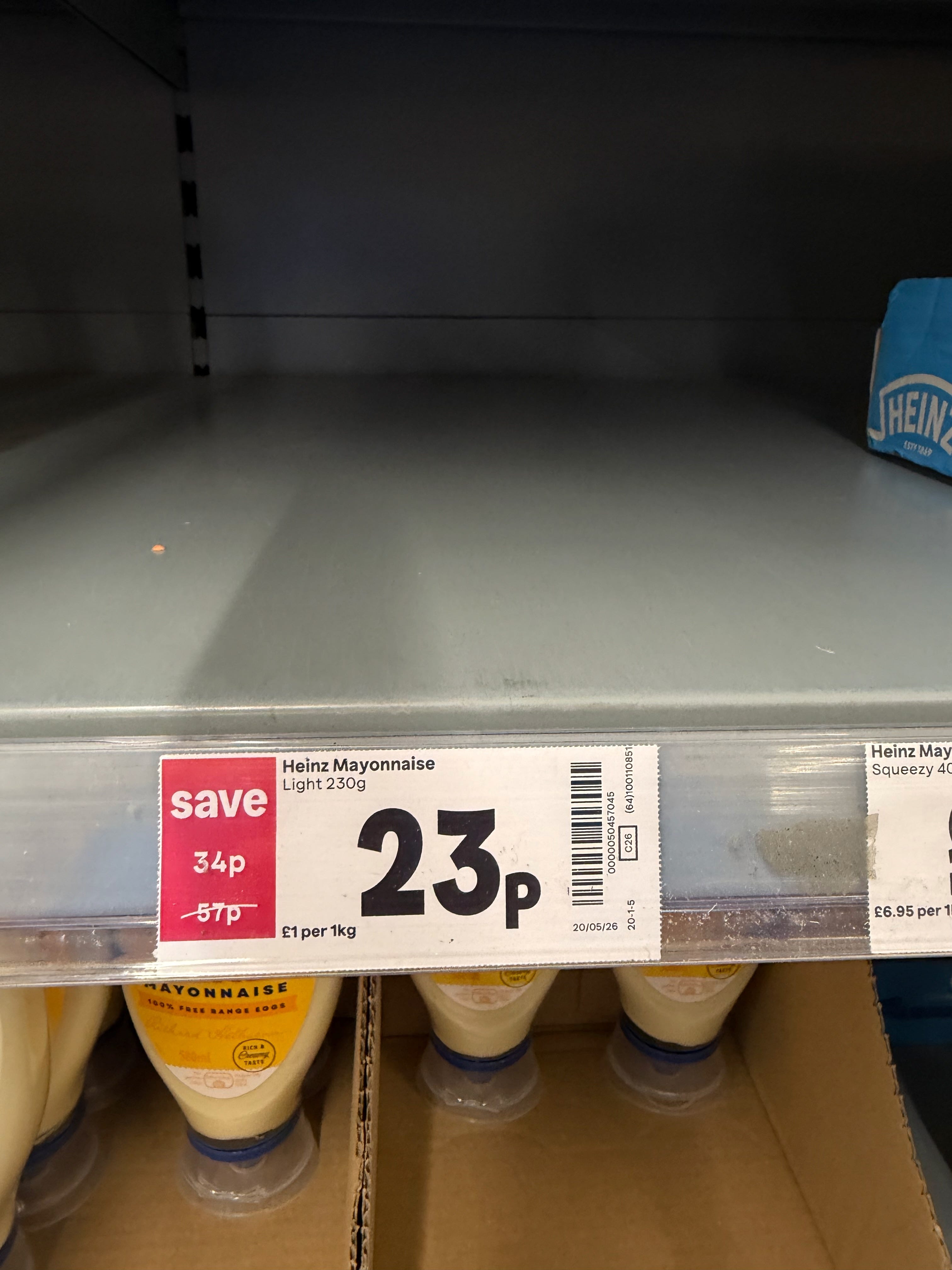
Asda need to clear the delisted stock which is expensive to do. High volumes are held in store already and slow sellers are slow by definition, or they wouldn’t be discontinued. It’s one reason the losses have run higher at Asda: they have to reset their business, and clearance is a necessary evil.
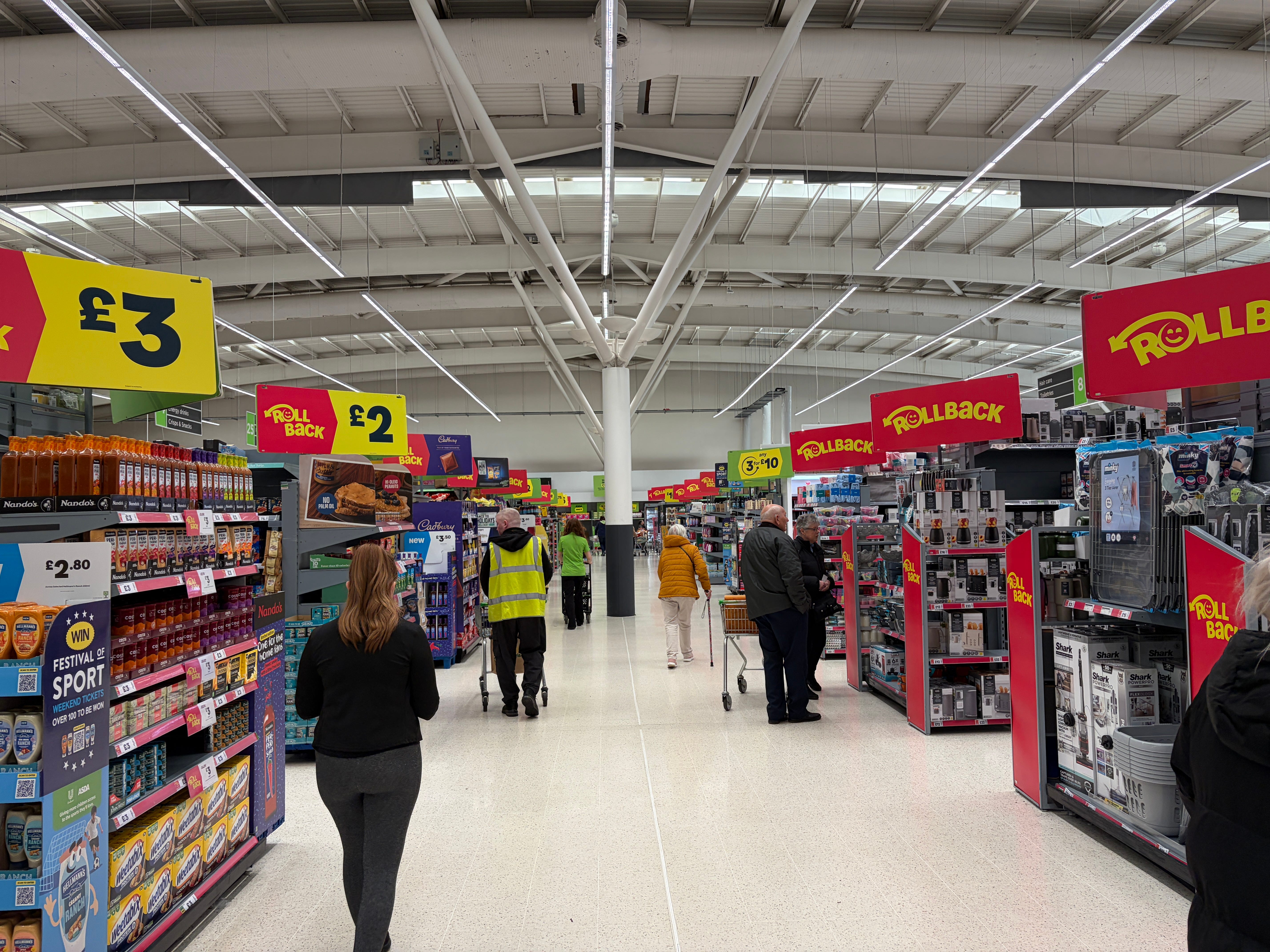
Tesco had the same problem back in 2015. Discontinued and legacy stock sitting in the stores (or on the stock file, or both) with the business too afraid (or not permitted) to write it off because it would add to a shrinkage bill that must be kept under control to hold the profits where they are.
Like anything in life, retail or otherwise, you can’t defy gravity forever. Actions have consequences, and second order consequences are the hardest for people to follow, because they flow directly from the first action.
The first action, here, seemingly, is to not reduce clearance stock quickly or deeply enough to sell it, rather keeping it on shelf.
As noted -Morrisons’ move to fully electronic labels will be interesting, because there’ll be no hiding place for the buyers to blame stores for not acting on clearance; no keeping the old paper labels on due to task overload or the like.
The electronic label shows the current price and brings 100% accuracy / compliance, so in theory it’s very easy for buyers, traders or operators to see that clearance action hasn’t been taken centrally.
This is a growing problem for Morrisons, and one I’ve watched play out in plenty of retailers before. Sainsbury’s, under Mike Coupe, started to slow clearance levels towards the end to hold the margin but, like anything, you have to act at some stage before the mountain grows out of control.
Stores aren’t given the labour to manage clearance; because the assumption is that stock is cleared through bar the stragglers. But the bigger the clearance area, the harder it is to keep on top of, and the bigger the store job becomes, it has to be counted, maintained, tidied, re-merchandised with new lines added etc.
At some stage the medicine has to be taken, and a fire sale (almost) needs to occur.
Pull all of these threads together and it’s a business optimising for the short term, there is no doubt, even with the focus on EBITDA over volume, retail media over range, margin preserved through clearance rather than cleared, all while the estate, the offer and the proposition erode beneath barely positive like-for-likes.
Confused is how the customer experiences it. Short-termism is what causes it.
A goalless draw “celebrated” each trading day, when the business should be chasing the win.
This note is the map. The detail in retail media, Market St, trading, operations, and where all this leaves Morrisons follows in the notes to come.
PS – the announcement (nay proclamation) that reopening formerly closed counters this week sums things up. Market St in “our DNA.”
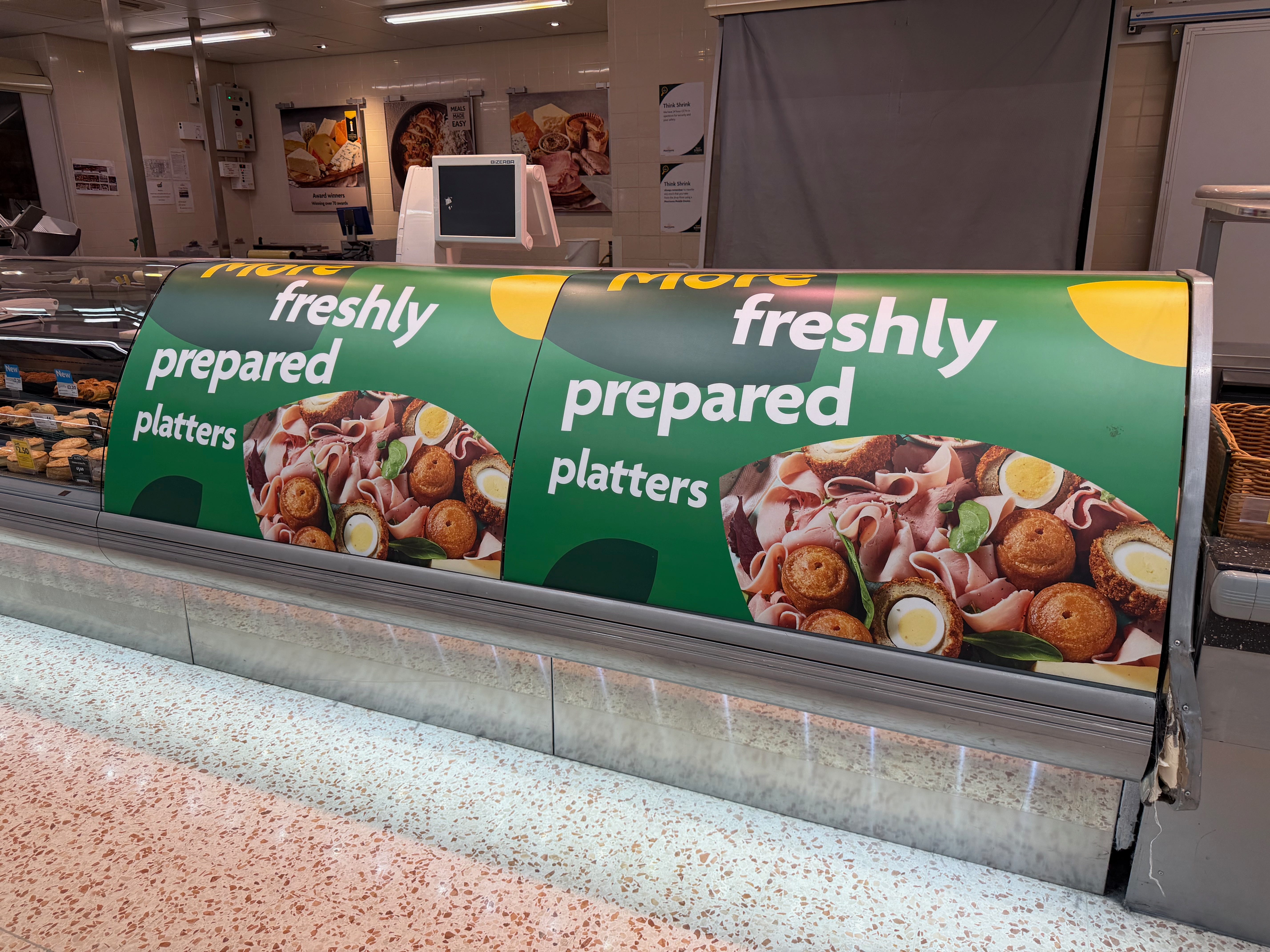
They need to do a lot more than just reopen closed counters; they need to put The Street at the centre of things once again.
They were able to close counters because they close down by stealth, the actual number of counters being reduced is worse than the headline closures.
I remain unclear what’s worse, the fact they are reopening them to self-acclaim, or the fact that they were closed in the first place.
More to come on Morrisons, and the market in the coming weeks.